

The End of the Sharp Edge
For years, modern interior design in India was defined by a certain rigidity: boxy sofas, rectangular coffee tables, and a general adherence to straight lines. But that is changing. Walk into a well-designed home in 2026, and you're more likely to encounter
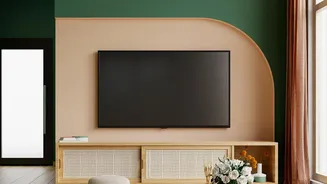
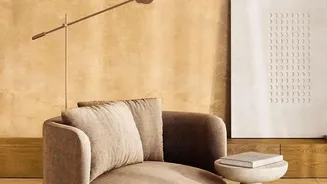
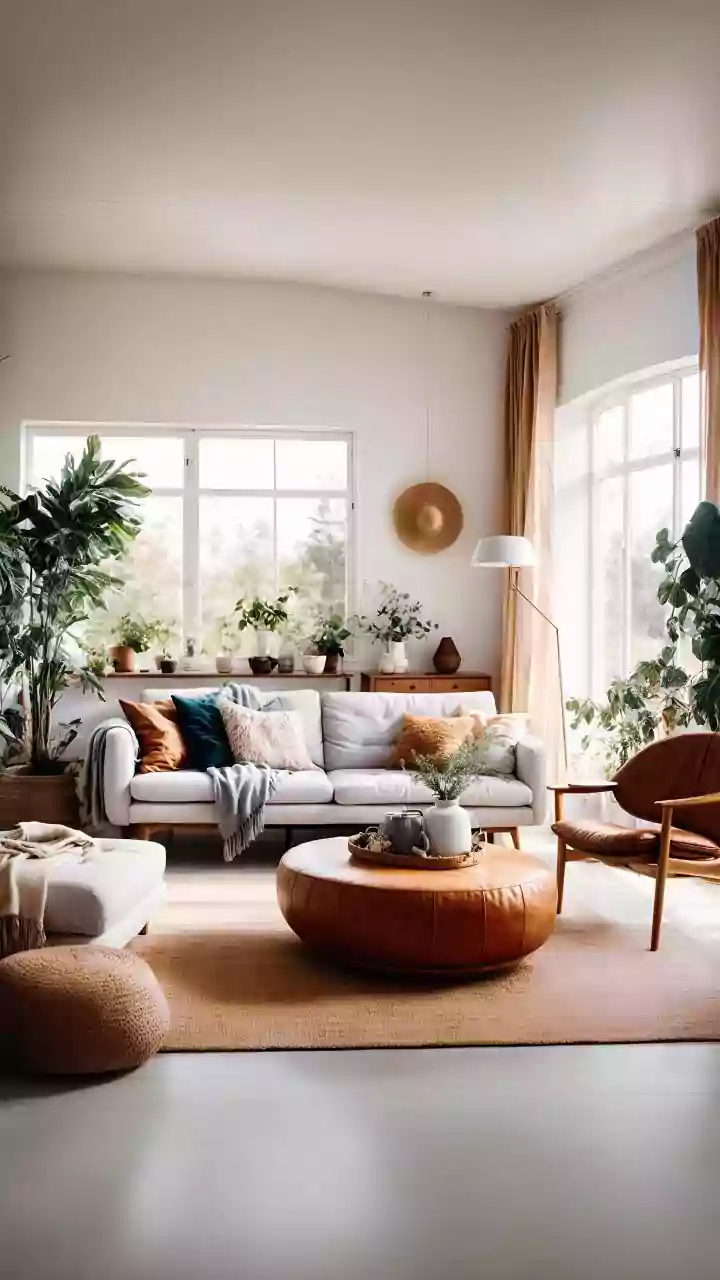
curved sofas that encourage conversation, oval dining tables that improve flow, and arched doorways that soften transitions between rooms. This move towards 'biomorphic' or nature-inspired shapes is a direct response to the often harsh, concrete architecture of urban life. Designers and homeowners are discovering that introducing organic, rounded forms makes spaces feel more welcoming, less formal, and psychologically calming. It’s a shift from a home that's designed to be looked at to one that's designed to be lived in.
A Symphony of Natural Textures
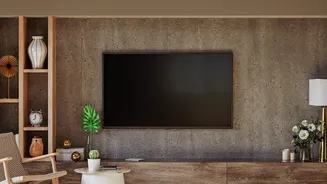
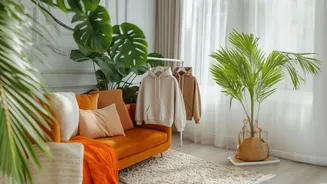
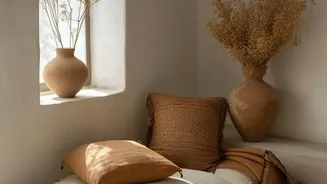
Alongside the shift in form, there's a renewed love for honest, natural materials. Cold greys and glossy, synthetic surfaces are being replaced by a rich, earthy palette. Homeowners are embracing terracotta, sage green, sandy beige, and muted browns—colours that feel grounding and familiar. The trend goes beyond colour to a full sensory experience. We are seeing a rise in 'touch-me' textures: the slight roughness of a jute rug, the coolness of unpolished Kota stone, the visible grain of reclaimed wood, and the breathability of linen and cotton fabrics. Materials like cane, bamboo, and clay, which have been part of Indian homes for centuries, are being integrated into contemporary settings, creating a look that is both modern and deeply rooted in tradition.
Why Now? The Psychology of Comfort
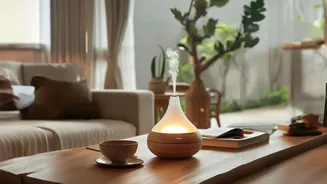
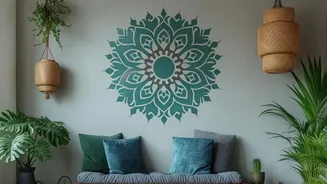
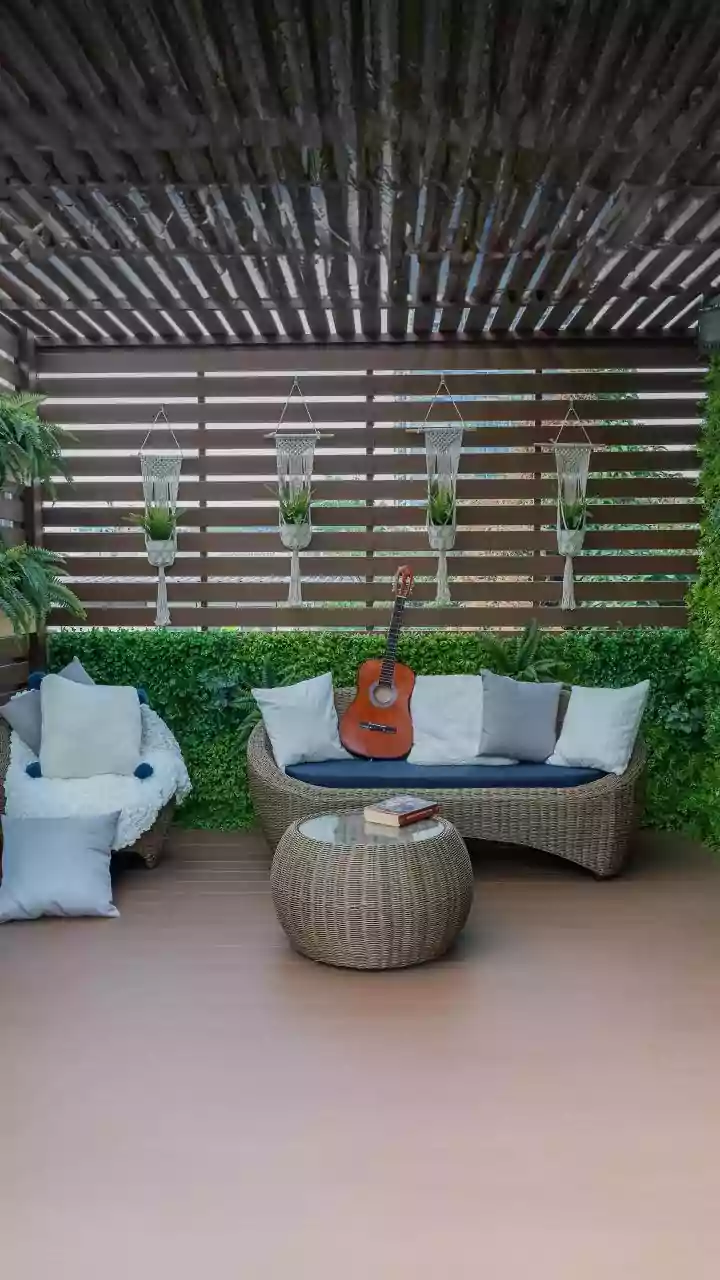
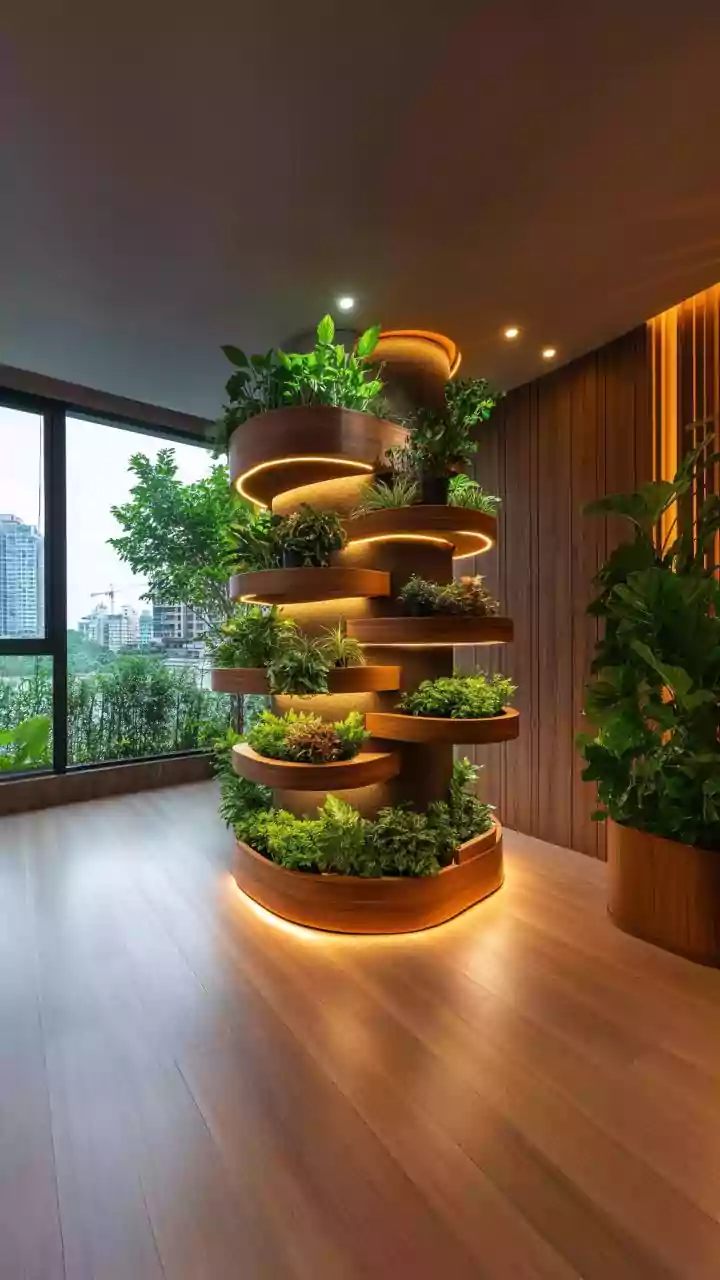
This movement isn't just about aesthetics; it's deeply connected to a collective desire for wellness and comfort, a sentiment amplified in the post-pandemic world. Having spent more time at home, people are re-evaluating what they want from their living spaces. The focus has shifted from homes that signal status to sanctuaries that provide genuine comfort and reduce stress. The concept of biophilic design—the idea that humans have an innate need to connect with nature—is central to this trend. Integrating natural light, plants, organic forms, and earthy textures is proven to enhance well-being and create healthier indoor environments. It’s about creating a home that feels like a refuge from the chaos of the outside world.
Bringing the Trend Home
Incorporating this softer, more natural aesthetic doesn't require a complete overhaul. You can start small. Swap a rectangular coffee table for a round or oval one to immediately soften a living room's layout. Introduce a single curved accent chair or a pebble-shaped pouffe to break up the geometry of a room. Layering textures is another simple yet effective approach. Add a handwoven throw to your sofa, place a cluster of terracotta planters in a corner, or lay down a natural fibre rug. Focus on materials that engage the senses. The trend can also be introduced architecturally with elements like arched niches for displaying art or even arched transitions between rooms, which can make even compact apartments feel more spacious and luxurious.