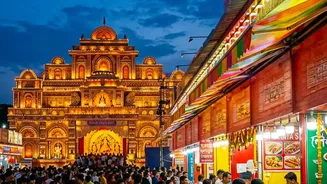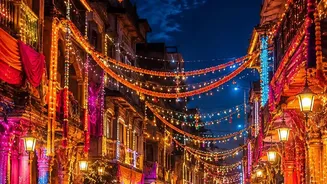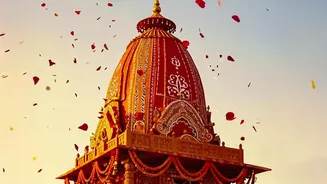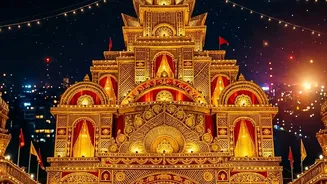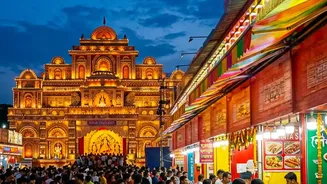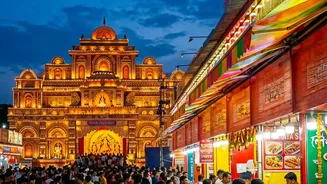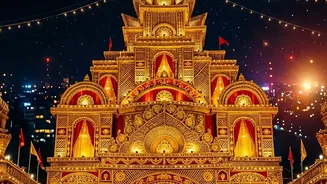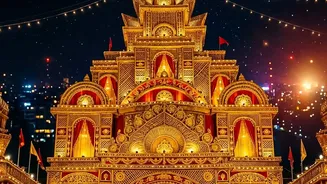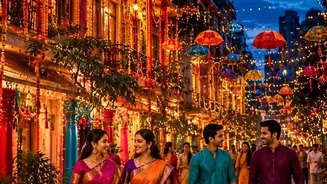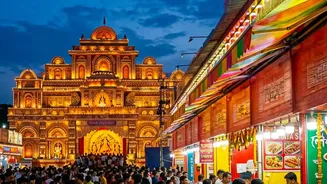



Ayodhya's Deepotsav is a spiritual spectacle, transforming the city into an ocean of light. This guide offers a roadmap to experiencing the grandeur of the 2026 festival, from the main events to navigating the city during this auspicious time.
The Main Spectacle: A River of Light
The heart
of the Deepotsav is the breathtaking lighting of millions of earthen lamps, or diyas, along the ghats of the Saryu River. The main event for 2026 is scheduled for the evening of Saturday, November 7, which is Chhoti Diwali. This year, the administration is aiming to light over 30 lakh diyas across 56 ghats, attempting to set a new world record. The primary location for this grand display is Ram Ki Paidi, a series of ghats that becomes a glowing crescent of fire and faith. At dusk, thousands of volunteers light the lamps in a coordinated effort, creating an unforgettable visual. This is followed by a grand Saryu Maha Aarti, a synchronized prayer ceremony expected to involve over 2,100 priests and participants, filling the air with chants and devotion.
Schedule of Key Events
While the main diya lighting is on November 7, the festivities span several days, from November 5 to November 8. The celebration officially begins with cultural programs and the meticulous arrangement of diyas by volunteers. On November 7, the day's events typically start with a 'Shobha Yatra', a grand cultural procession with tableaux depicting scenes from the Ramayana, which moves from Saket Mahavidyalaya towards Ram Katha Park. This is often followed by a symbolic re-enactment of Lord Ram's return and coronation. The evening is dedicated to the riverside events: the Maha Aarti around 5:45 PM, the mass diya lighting at 6:30 PM, and spectacular shows to follow. Diwali itself falls on Sunday, November 8, a day for quieter, more personal celebrations throughout the city.
Technology Meets Tradition
Modern technology has become an integral part of the ancient celebration. The 2026 Deepotsav will feature a massive aerial drone show, with a fleet of 2,100 drones creating choreographed formations depicting the story of the Ramayana in the night sky. This is nearly double the number of drones used in the previous year. Visitors can also expect a high-tech 3D projection mapping and laser show on the banks of the Saryu, which tells the story of Lord Ram's return on a grand scale. An augmented reality application will allow visitors to view and record 3D scenes from the Ramayan against the actual backdrop of Ram Ki Paidi using their smartphones. The evening concludes with green, musical fireworks, adding to the festive atmosphere.
Darshan at Key Temples
A visit during Deepotsav is incomplete without darshan at Ayodhya's revered temples. The Shri Ram Janmabhoomi Temple is the spiritual epicentre and experiences exceptionally high footfall during the festival. It is advisable to plan your temple visits for the early morning hours to avoid the peak rush. As per tradition, many devotees visit Hanuman Garhi first to seek the blessings of Lord Hanuman before proceeding to the Ram Mandir. Other important shrines to include in your itinerary are Kanak Bhawan, known for its beautiful idols of Lord Ram and Sita, and Nageshwarnath Temple, an ancient shrine dedicated to Lord Shiva.
Navigating the City: Practical Tips
Planning is crucial for a smooth experience. Book your accommodation well in advance, as hotels near the main festival zones get filled months ahead. Be aware that strict traffic restrictions are enforced 48 to 72 hours before the main event. Private vehicles are typically not allowed into the city's core, so rely on walking and designated local e_rickshaws. For the main evening on November 7, plan to reach the ghats by 3:00 PM or 3:30 PM, as access to viewing areas becomes restricted. The best public viewing spots are often from Naya Ghat or from bridges across the Saryu, which offer panoramic views without being in the most crowded zones. Travel light, carry water, and wear comfortable shoes, as you will be doing a lot of walking.