




More Than Just a Long Vacation
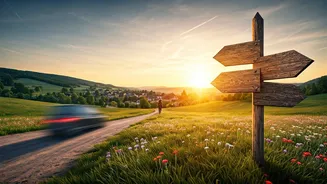
Let’s get one thing straight: slow travel isn’t just about taking a month off. It's a mindset. At its core, it’s about consciously choosing to experience a place deeply rather than seeing a lot of places superficially. Instead of rushing from one city's
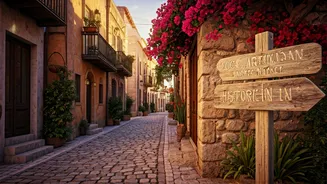
'Top 10 Sights' to the next, a slow traveller might choose to stay in one village, town, or neighbourhood for a week or more. The goal is to connect with the local community, culture, food, and environment on a more meaningful level. It means ditching the packed itinerary and embracing spontaneity, trading hotel chains for homestays, and valuing conversations with locals over collecting souvenirs.
The Post-Pandemic Travel Reset
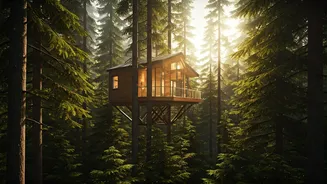
So, why now? The pandemic was a major catalyst. Forced to slow down, many of us re-evaluated our priorities. The frantic pace of pre-2020 life, including our travel habits, suddenly seemed exhausting. The rise of remote work and 'workations' played a huge role. Suddenly, you didn’t need to cram a trip into a long weekend. You could work from a cottage in the Himalayas or a beach house in Goa for a month. This extended time in one place naturally lends itself to a slower, more immersive style of travel. There’s a growing desire for authenticity and wellness, a clear reaction against the burnout culture that defined the last decade. Travellers are seeking rest and rejuvenation, not more stress.
Beyond the Tourist Trail
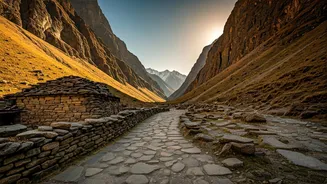
One of the most exciting aspects of this trend is how it's reshaping India's tourism map. While the Golden Triangle will always be popular, slow travel encourages exploration of lesser-known destinations. Think of spending two weeks learning pottery in a village in Rajasthan, volunteering at a farm-stay in Coorg, or simply renting a small house in a quiet corner of Sikkim to read, walk, and soak in the mountain air. This shift has a powerful ripple effect. It directs tourist rupees away from overcrowded hubs and into smaller, local economies that truly benefit from sustainable tourism. It supports small business owners, homestay hosts, and local artisans, fostering a more equitable model of travel.
Connection Over Collection
In the age of Instagram, travel often became about 'collecting' perfect pictures in front of famous landmarks. Slow travel flips this script. The focus is on collecting experiences, not just images. It’s the difference between taking a selfie at the Taj Mahal and spending an afternoon talking to a marble inlay artisan in Agra about their craft. It’s learning to cook a regional dish from your homestay host, helping with the morning chai on a tea estate in Assam, or simply finding a favourite local cafe and becoming a 'regular' for a week. This approach fosters genuine human connection, breaking down the barrier between 'tourist' and 'local' and leading to richer, more memorable journeys.
Making Slow Travel Work for You
But what if you don't have a month to spare? The beauty of the slow travel philosophy is that it's scalable. You don't need to quit your job to embrace it. Even on a short trip, you can apply its principles. Instead of trying to see three cities in one week, choose one and explore it thoroughly. Opt for a walk through a neighbourhood instead of a taxi. Spend an entire afternoon in one museum or park instead of rushing through five. The key is to be intentional. Prioritise depth over breadth. Ask yourself: what experience will I remember more—the stress of a packed schedule or the joy of a quiet, unplanned discovery?