





The Trend and Its Ancient Roots
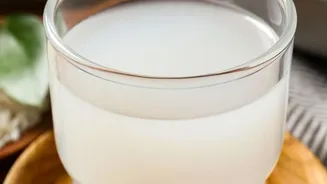
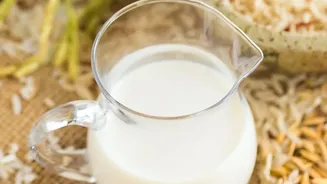
The latest wellness trend bubbling up on social media feeds is homemade fermented rice water. Influencers are touting the tangy liquid as a probiotic-packed elixir for everything from bloating to an imbalanced microbiome. While it may seem like a new
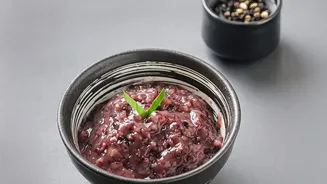
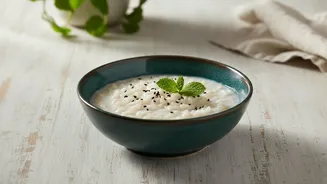
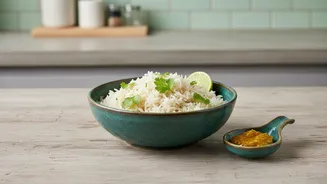
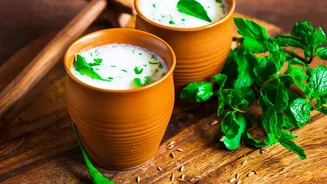
discovery, the practice is deeply rooted in tradition. In various parts of India, a similar drink known as 'Kanji' has been consumed for centuries. This beverage, sometimes made with rice or black carrots, is a traditional remedy for digestive issues and a way to stay hydrated. In South India, the drink, called 'Neeragaram' or 'Pazhaya Soru', was a staple for farmers seeking energy for the day. These traditions all center on the idea of soaking cooked rice overnight, allowing natural fermentation to transform the simple starchy water into a nutrient-rich drink.
The Modern Claims: A Gut-Health Game Changer?
Wellness creators claim that regularly drinking fermented rice water can revolutionize gut health. The primary assertion is that the fermentation process creates a beverage rich in probiotics, the beneficial bacteria that support a healthy digestive system. The claims suggest it can reduce bloating, ease constipation, improve nutrient absorption, and even boost immunity by strengthening the gut lining. The logic follows that by introducing these live cultures, you can rebalance your gut microbiome, which is crucial for overall health. Some proponents also highlight the presence of prebiotics—fibers that feed good bacteria—and postbiotics, the helpful byproducts of fermentation that can have anti-inflammatory effects.
Hype vs. Health: What Does the Science Say?
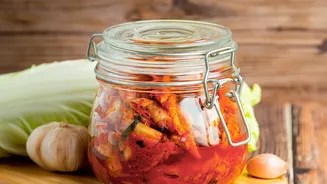
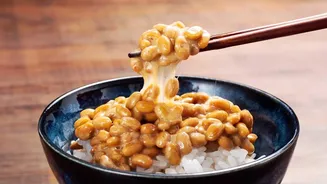
While the tradition is well-established, the scientific evidence specifically for fermented rice water is still emerging. Fermented foods in general, like yogurt and kimchi, are proven sources of probiotics. The fermentation of rice does create beneficial bacteria and can increase the bioavailability of nutrients like B vitamins, iron, and calcium by breaking down anti-nutrients. One study on 'Pazhaya Soru' identified metabolites in the fermented water that could help protect colon cells from inflammation. However, there are few large-scale human clinical trials to back the specific claims made by social media creators. Experts agree that while the drink may offer some benefits due to the presence of probiotics and postbiotics, it is not a cure-all for chronic gut conditions. The composition and safety of a homemade ferment can vary wildly, unlike commercially produced probiotic foods.
The Hidden Risks of DIY Fermentation
Before you start fermenting on your countertop, it's crucial to understand the risks. Home fermentation, if done incorrectly, can be a breeding ground for harmful bacteria, not just beneficial ones. Without proper sterilization, temperature control, and technique, you risk cultivating pathogens like Salmonella or Listeria. If your ferment develops a foul smell, slimy texture, or visible mold, it is not safe to consume. Experts caution that individuals who are pregnant or have compromised immune systems should avoid homemade fermented products altogether due to these risks. While fermentation is a time-tested preservation method, it requires precision. Getting it wrong can lead to foodborne illness, which is a significant risk when following simplified recipes from unverified online sources.
A Safer Sip: How to Approach Gut Health
So, should you join the fermented rice water trend? The consensus is to proceed with caution. Rather than relying on a variable homemade concoction, a safer approach to improving gut health is to incorporate a variety of proven, commercially available fermented foods into your diet. Think kefir, kombucha, sauerkraut, and kimchi, which are produced under controlled, sanitary conditions. If you are curious about rice water, many nutritionists point to its traditional use as a hydrating fluid during illness, rather than a daily probiotic supplement. Ultimately, a balanced diet rich in diverse, fiber-filled plants is the most reliable way to support a thriving gut microbiome. If you have persistent digestive issues, the best course of action is to consult a healthcare professional, not a social media feed.