




What Exactly is a Dark Sky Reserve?
A Dark Sky Reserve is a designated area that restricts artificial light pollution to preserve the natural darkness of the night sky. The goal is to protect not only the stunning celestial views for astronomy but also the nocturnal environment for wildlife.
These reserves are typically located in remote areas, far from the glow of urban centers. The Hanle Dark Sky Reserve (HDSR) is India's first such officially designated area, established through a collaboration between the local administration, the Ladakh Autonomous Hill Development Council (LAHDC), and the Indian Institute of Astrophysics (IIA). It covers an area with a radius of approximately 22 kilometers within the Changthang Wildlife Sanctuary.
Why Hanle is the Perfect Stargazing Sanctuary
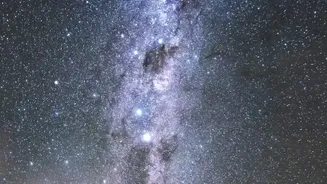
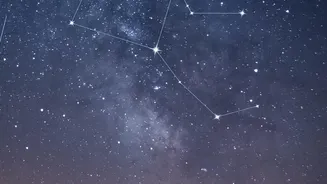
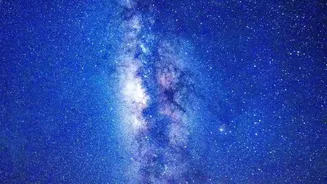
Hanle's selection was no accident. Located on the Changthang Plateau at a breathtaking altitude of 4,500 metres (about 14,764 feet), the region offers some of the best conditions for stargazing on the planet. Its high altitude and cold desert climate mean the air is incredibly thin, dry, and stable, with minimal atmospheric disturbance. The area boasts around 300 clear, cloud-free nights annually, a dream for astronomers. Due to its extreme remoteness and lack of urbanisation, it has almost non-existent light pollution, earning it a Bortle 1 rating—the darkest possible classification on the scale. This allows for a pure view of the cosmos where the Milky Way is visible in vivid detail and even distant galaxies can be spotted with the naked eye.
A Boost for Science and Sustainable Tourism
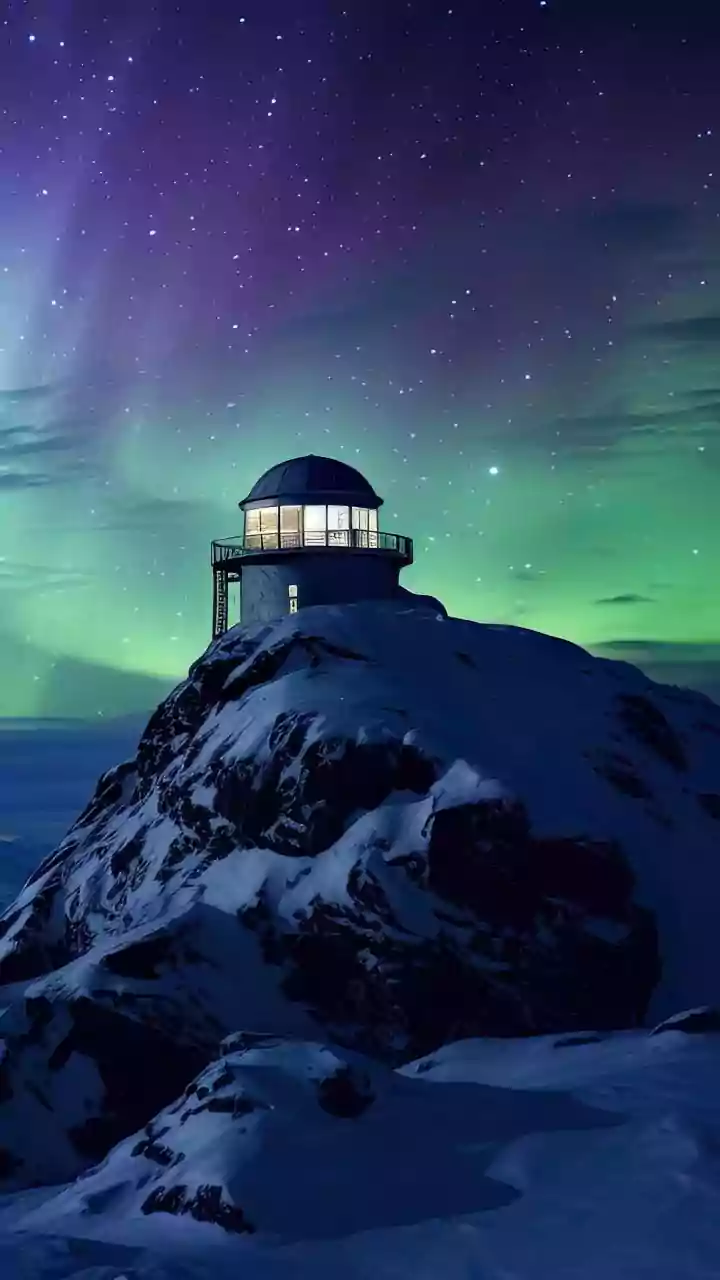
The reserve serves a dual purpose. Firstly, it protects the Indian Astronomical Observatory (IAO), which is operated by the IIA and is one of the world's highest sites for optical, infrared, and gamma-ray telescopes. Preserving the dark skies is crucial for the continued success of the cutting-edge research conducted here. Secondly, the HDSR is designed to foster a unique form of sustainable astro-tourism. This initiative moves beyond traditional sightseeing, inviting visitors to experience the universe in its raw glory. The goal is to create a high-value, low-impact tourism model that respects the fragile ecosystem of the high-altitude desert while offering an unparalleled experience.
Community at the Core: How it Works
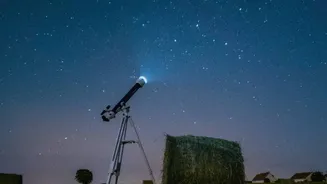
The success of the Hanle Dark Sky Reserve hinges on community participation. Local villagers are at the heart of the project, with many being trained as 'Astronomy Ambassadors' and telescope operators to guide visitors. To maintain the darkness, practical measures have been implemented. This includes providing residents with light-management equipment like thick curtains and warm-toned, downward-facing lamps to prevent light from spilling upwards. There are also strict guidelines for visitors and locals, such as minimizing the use of bright lights and vehicle headlamps within the reserve's boundaries. Instead of hampering development, this initiative has created new economic avenues for a community traditionally dependent on pastoralism, linking their livelihood directly to the preservation of their natural heritage.
Planning Your Journey to the Stars
A trip to Hanle requires careful planning. Located about 270 kilometres from Leh, the journey takes around 8-10 hours through starkly beautiful terrain. Given its high altitude, acclimatisation is critical; visitors are advised to spend at least two nights in Leh before proceeding to higher areas. Due to its proximity to the border, all travellers need permits—Indian citizens require an Inner Line Permit (ILP) and foreign nationals a Protected Area Permit (PAP), both obtainable in Leh. The best time to visit for clear skies is between May and September. While accommodation is modest, consisting of homestays and guesthouses, the experience of connecting with the cosmos in one of the world's darkest places is truly unmatched.