




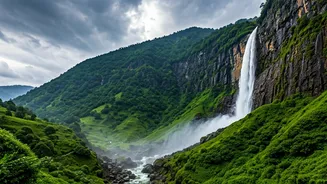


From Grey Skies to Green Adventures
For generations, the Indian monsoon was a season of retreat. We’d watch the downpour from our windows, seeking comfort indoors. But a cultural shift is underway. An increasing number of Indians are shunning the shelter of their homes and embracing the rain-soaked
outdoors. At the heart of this movement is monsoon kayaking, an activity that transforms familiar rivers, backwaters, and lakes into vibrant, mysterious wonderlands. Tour operators in states like Kerala, Goa, and Uttarakhand report a significant uptick in demand for kayaking excursions between June and September. It’s no longer an off-season; for many, it’s the *only* season that matters. This trend is driven by a desire for unique experiences, stunning social media-worthy visuals, and a newfound appreciation for the dramatic beauty the monsoon bestows upon the Indian landscape.
The Magic of a Monsoon Paddle
So, what makes kayaking in the rain so special? It’s a complete sensory immersion. The world becomes a symphony of falling raindrops, the air smells of wet earth (petrichor), and the scenery is painted in a thousand shades of green. Rivers and backwaters, often placid in the dry season, swell with fresh rainwater, opening up new, narrow channels to explore. The light is soft and diffused, creating a mystical, ethereal atmosphere that a sunny day simply cannot replicate. Furthermore, the usual peak-season crowds are absent, offering a more serene and personal connection with nature. You aren’t just observing the monsoon; you are part of it, paddling through misty mornings and listening to the chorus of frogs and insects that come alive with the rains. It’s an intimate encounter with nature at its most raw and revitalised.
Hotspots: Where to Dip Your Paddle
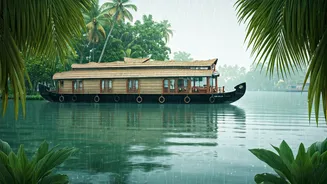
While interest is growing nationwide, a few destinations have become epicentres for monsoon kayaking. In Kerala, the backwaters of Alleppey and Kumarakom transform into a lush, green labyrinth. Paddling through the narrow canals, past flooded paddy fields and local villages, is an unforgettable experience. In Goa, the crowds may have thinned on the beaches, but the rivers like the Mandovi, Zuari, and Sal are teeming with life. Kayaking here offers a chance to explore dense mangrove forests and spot diverse birdlife against a backdrop of dramatic grey skies. For those seeking more of a thrill, the rain-fed rapids near Rishikesh in Uttarakhand offer a different kind of challenge, though this is recommended for more experienced paddlers. Even in Maharashtra, spots like the Mulshi and Pawna dams near Pune have become popular for weekend kayaking trips, offering a quick escape from city life.
Safety on the Water
Adventure is exhilarating, but safety is paramount, especially during the monsoon when weather can be unpredictable. The most important rule is to always go with a certified and reputable operator. They will have trained guides, quality equipment, and crucial knowledge of local water currents and weather patterns. Never kayak alone. Always wear a properly-fitted life jacket (buoyancy aid), regardless of your swimming ability. Water currents can be stronger and more unpredictable during the monsoon. Listen carefully to your guide’s briefing and follow their instructions. It’s also wise to check the weather forecast before you head out and be prepared for plans to change if conditions become unsafe. Reputable companies will not hesitate to cancel a trip due to dangerous weather, and you should trust their judgment.
Gearing Up for the Drizzle
Dressing appropriately can make the difference between a memorable adventure and a miserable, chilly experience. Forget cotton; it gets heavy and cold when wet. Opt for quick-drying synthetic fabrics like polyester or nylon for your t-shirt and shorts. A lightweight waterproof or water-resistant jacket is a good idea to keep the wind and heavy rain at bay. For footwear, choose water sandals with a good grip or old sneakers you don’t mind getting soaked. Flip-flops are a bad idea as they can easily slip off. Don’t forget a waterproof dry bag for your phone, wallet, and keys. Many operators provide these, but it’s always good to have your own. A hat can help keep the rain out of your eyes, and a bottle of water is essential to stay hydrated, even when it’s not hot.