








Why A Steady Supply Beats A Single Dump
Imagine trying to water a plant with a fire hose. Some water gets in, but most runs off, and it can damage the plant. Your digestive system is similar. Eating a massive amount of fibre in one meal—like a giant bowl of bran cereal—can overwhelm your gut,
leading to uncomfortable bloating, gas, and even constipation. Spreading your fibre intake helps your digestive system manage it more effectively. It allows for a steadier, slower release of nutrients, which helps stabilise blood sugar levels and prevents energy spikes and crashes. This approach keeps you feeling full and energised throughout the day, rather than sluggish after one heavy meal.
Know Your Daily Goal
The Indian Council of Medical Research (ICMR) suggests a daily intake of about 25-30 grams of fibre for the average adult. Unfortunately, studies show many urban Indians get only about half of that. There are two main types of fibre, and you need both. Soluble fibre, found in oats, beans, and apples, dissolves in water to form a gel, which helps lower cholesterol and control blood sugar. Insoluble fibre, found in whole grains and vegetables, adds bulk to your stool, promoting regular bowel movements and preventing constipation. A balanced diet with varied plant foods will ensure you get a healthy mix of both.
Power Up Your Breakfast
Starting your day with fibre sets a positive tone for your digestion. Instead of reaching for refined options, consider these fibre-rich Indian breakfasts. A vegetable dalia or masala oats upma provides a warm and comforting start, with oats being an excellent source of soluble fibre. For a savoury option, a besan or moong dal chilla packed with finely chopped vegetables is a fantastic source of both fibre and protein. Even a simple swap from white rice idlis to those made with brown rice or ragi (finger millet) can significantly boost your morning fibre count.
Fortify Your Lunch
Lunch is the perfect opportunity to build on your morning's success. A classic Indian thali is already well-positioned for fibre. Swap white rice for brown rice or incorporate millets like jowar or bajra. Ensure you have a generous serving of dal or a pulse-based curry like rajma or chana, which are powerhouses of fibre and protein. Accompany your meal with a couple of whole wheat rotis and a fresh kachumber salad (chopped cucumber, tomato, onion) to add a dose of insoluble fibre and crunch. This combination not only provides sustained energy for the afternoon but also contributes significantly to your daily fibre target.
Finish Strong With Dinner
A fibre-rich dinner helps keep you full through the night and supports your body's overnight processes. Aim for meals that are satisfying but not overly heavy. A hearty vegetable and lentil soup, like a classic dal, is an excellent choice. Pair it with rotis made from millets like bajra or jowar. A sabzi made with fibre-rich vegetables like beans, carrots, spinach, or bhindi is another great addition. If you enjoy salads, a sprouted moong salad with some paneer or chickpeas can be a complete, nutrient-dense meal in itself.
Don't Forget Smart Snacking
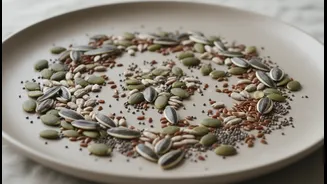
Snacks can either derail your efforts or help you reach your goals. To bridge the gap between meals, choose snacks that add to your fibre tally. A piece of whole fruit, like a guava or an apple, is a simple and effective choice. A small handful of nuts such as almonds or walnuts, or seeds like flax and pumpkin, provides fibre along with healthy fats. Roasted chana or a small bowl of sprouts are other excellent, nutrient-dense options that will keep hunger at bay without spoiling your main meals.