

The Red Planet's Silent Killer
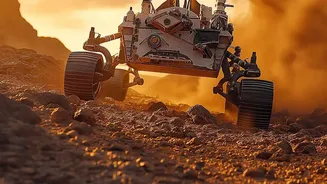
For any solar-powered mission on Mars, dust is the enemy. It's not like the dust on Earth; Martian dust can be electrostatically charged, causing it to cling tenaciously to every surface it touches, including vital solar panels. A light coating can reduce
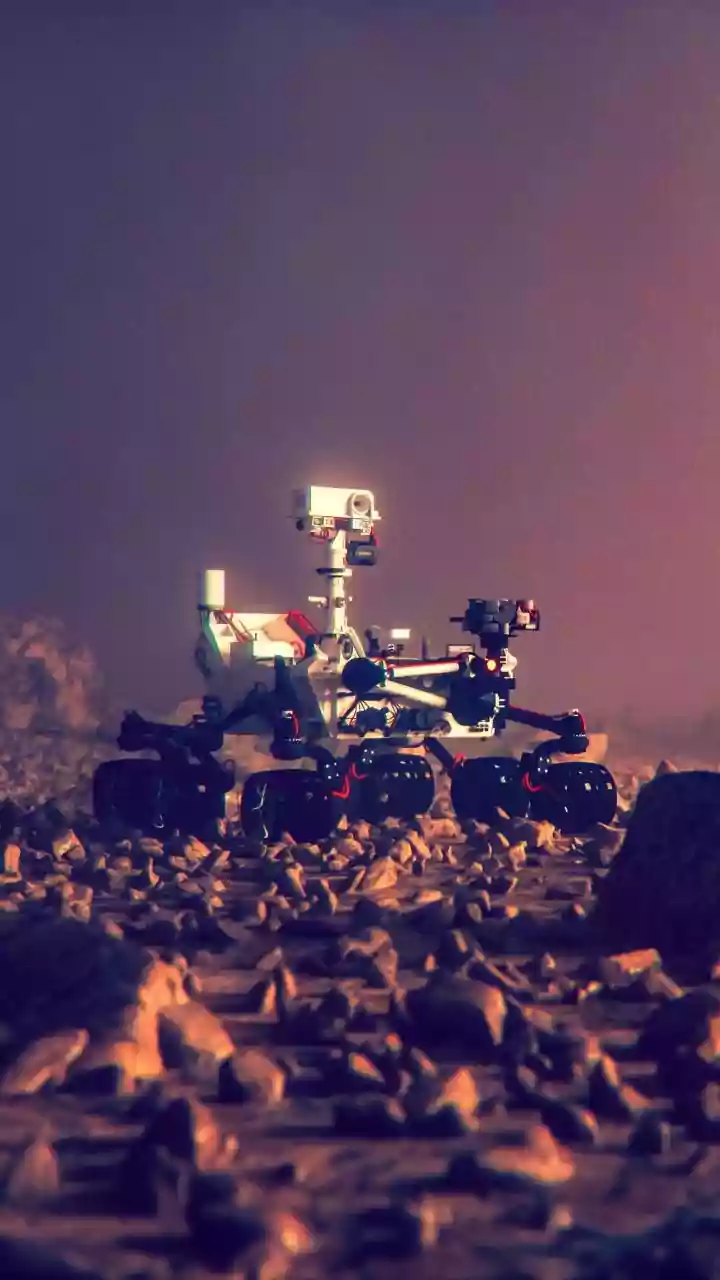
power generation, but a major dust storm can be a mission-ending event. By blanketing the atmosphere, these storms can block up to 99 percent of direct sunlight, starving a rover of energy. This power drain was ultimately responsible for the end of the long-lived Opportunity rover in 2018 and the InSight lander in 2022, both of which fell silent after major dust events choked their power supply. This persistent threat makes long-term survival on Mars a significant engineering challenge, where mission success depends not just on the hardware on the ground, but on having a clear view of the weather ahead.
An Eye in the Martian Sky
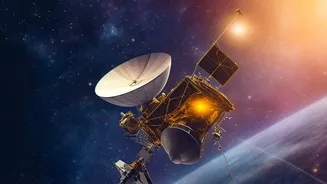
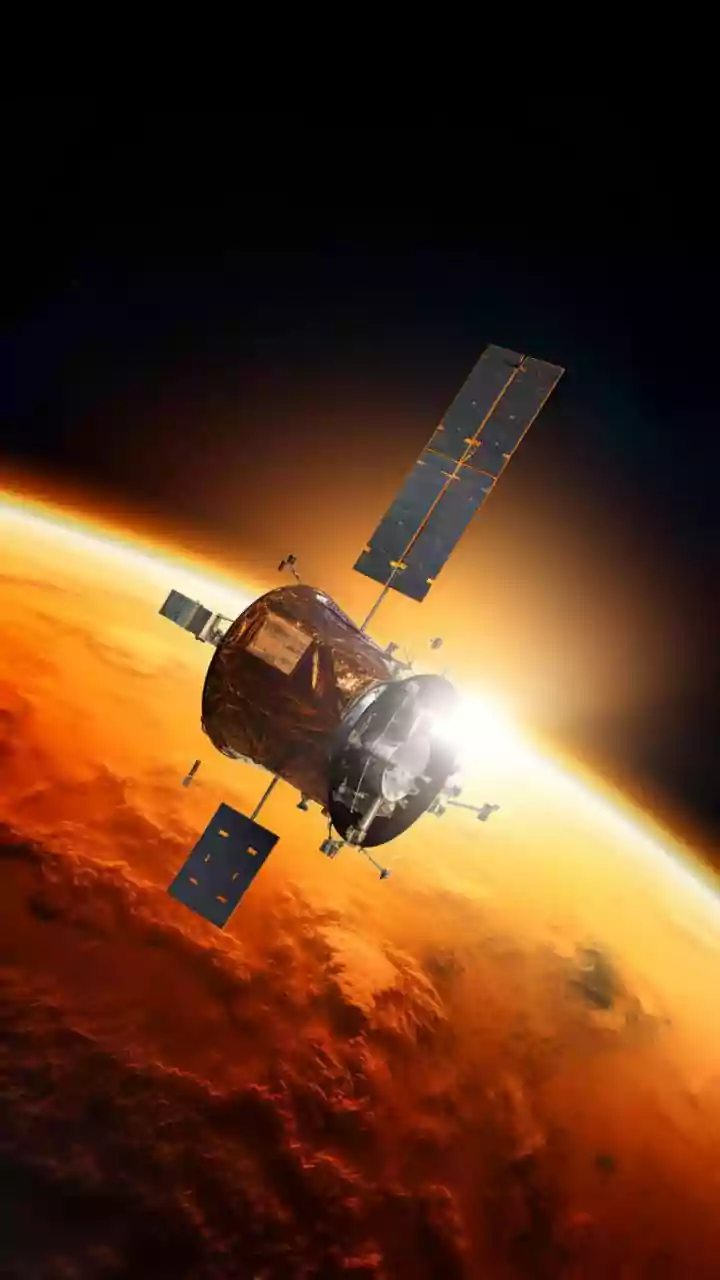
The first line of defense isn't on the surface, but hundreds of kilometers above it. NASA's Mars Reconnaissance Orbiter (MRO), which has been circling the Red Planet since 2006, serves as a dedicated weather satellite. One of its key instruments is the Mars Color Imager, or MARCI. This wide-angle camera captures a global snapshot of the planet every single day, observing it in seven different light bands, including visible and ultraviolet wavelengths. By stitching these daily images together, scientists on Earth can create a planetary weather map, tracking the movement of clouds, polar frost, and, most importantly, the development and spread of dust storms. This capability transforms MRO from a simple observer into a critical early-warning system for assets on the ground.
From Data to Dust Storm Alerts
Forecasting Martian weather is a complex science. Dust storms often begin as smaller, regional events, particularly during the summer in Mars's southern hemisphere when increased solar radiation heats the atmosphere and lifts dust from the surface. Scientists using MARCI data can spot these nascent storms and monitor their growth. They observe how airborne dust absorbs sunlight, which in turn warms the surrounding air, creating winds that lift even more dust—a feedback loop that can cause a storm to grow to the size of a continent, or even encircle the entire planet. When the MRO team spots a potentially dangerous storm brewing, they alert the teams managing the surface rovers. This process provides an invaluable heads-up, sometimes days in advance, allowing mission controllers to prepare for the storm's arrival.
Taking Precautionary Measures
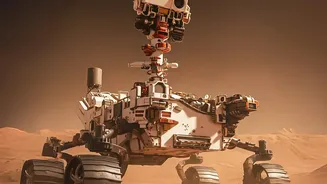
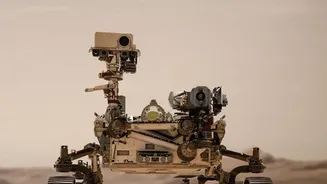
The 'shielding' of the solar panels is not a physical barrier but a series of carefully planned operational procedures. Armed with a forecast from MRO, rover operators can take proactive steps to conserve energy and weather the storm. A primary strategy is to enter a low-power 'safe mode,' suspending all non-essential science activities and communications to minimize energy consumption. This was done with the InSight lander to help it survive a regional storm in early 2022. Depending on the rover's capabilities, controllers might also command it to orient its solar panels in a way that could use wind to help blow off some accumulating dust, although this is an opportunistic benefit rather than a guaranteed cleaning. By hunkering down and rationing power, these robotic explorers can ride out the periods of low light, ready to resume operations once the skies clear.
Smarter, Safer Future Missions
This orbital forecasting is more than just a lifeline for current missions; it's a cornerstone for the future of Mars exploration. The multi-year climate and weather data gathered by MRO provides an unparalleled understanding of Martian weather patterns, which directly informs the design of future rovers and landers. Knowing the seasonal risks allows engineers to build more resilient power systems and plan mission timelines to avoid the most dangerous periods. This synergy between orbital surveillance and surface operations is crucial for mitigating the immense financial and scientific risk of sending hardware to another planet. As NASA and other space agencies plan for eventual human missions to Mars, the ability to accurately predict these powerful dust storms will be an non-negotiable requirement for ensuring astronaut safety, making the lessons learned from MARCI's vigilant watch invaluable for generations of explorers to come.