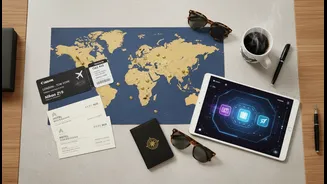









The Classic Weekend Planning Problem
We have all been there. A long weekend is approaching, and the desire to escape the city is strong. What follows is a frantic scramble across dozens of browser tabs, endless scrolling through hotel booking sites, and deciphering conflicting travel blogs.
For short trips—typically two to four days—the planning effort can often feel disproportionate to the holiday's length. The challenge is not a lack of information, but an overwhelming abundance of it. This often leads to decision fatigue, generic itineraries, or the classic mistake of trying to cram too much into too little time, leaving you needing a vacation from your vacation.
Enter Your New AI Travel Assistant
This is where Artificial Intelligence is stepping in, not as a futuristic concept, but as a practical assistant. A growing number of AI-powered travel platforms, some designed specifically for Indian users, are revolutionizing how we plan these quick escapes. Tools like TripVexa, Trip Craft, and even general-purpose assistants can now process simple, natural language requests. You can move beyond just searching for 'hotels in Goa' and start asking for things like, 'a relaxing 3-day trip near Mumbai under ₹20,000 for a couple interested in quiet beaches and local food'. The AI then does the heavy lifting, sifting through vast amounts of data to generate a structured starting point.
From Blank Page to Bespoke Itinerary
The core function of these tools is instant itinerary generation. Based on your preferences for budget, pace, interests, and travel style, the AI creates a logical day-by-day plan. It considers travel times between locations, suggests a balanced mix of activities, and recommends places to stay and eat that fit your criteria. For example, planning a family trip to Kerala, an AI planner can instantly generate a 6-day outline with kid-friendly attractions, comfortable pacing, and even vegetarian dining options, saving hours of manual research. This initial draft is rarely final, but it transforms the planning process from a daunting blank page into an easy-to-edit template.
Smarter, Not Just Faster
The real magic of these tools isn't just speed; it's the quality of the design. The headline's promise of a 'better designed' holiday comes from the AI's ability to optimize an itinerary in ways a human might miss. It can create a logical route through a city to minimize travel time, suggest off-peak hours for popular attractions, and uncover hidden gems or day trips you might not have found. By factoring in seasonality and local events, the recommendations are more timely and relevant. This moves the plan beyond a simple checklist of tourist spots to a more thoughtful, coherent, and ultimately more enjoyable experience.
Keeping the Human Touch
While AI is a powerful co-pilot, it is not meant to replace human judgment or the joy of spontaneous discovery. Most travel experts and even the creators of these tools agree that the best approach is a hybrid one. Use the AI to handle the logical heavy lifting—the initial research, route optimization, and budget tracking. This frees up your mental energy to focus on the more personal, creative aspects of travel. Use the generated itinerary as a foundation, then tweak it, add your personal flair, and always leave room for that unexpected detour to a charming cafe or a surprise recommendation from a local. The goal is to use technology to enable better adventures, not to automate the soul out of travel.