
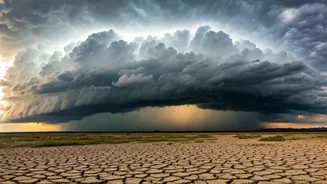




The Monsoon We Thought We Knew
For generations, the monsoon has followed a somewhat predictable rhythm. It arrives in Kerala, sweeps up the coast, and drenches the northeastern hills, turning places like Cherrapunji and Mawsynram into the wettest places on Earth. This annual weather
event is more than just rain; it's a cultural and economic engine that dictates everything from agriculture to poetry. Our festivals, our foods, and our fiscal budgets are all tied to the reliability of these moisture-laden winds. We track its progress with the anticipation of a major cricket match, celebrating its arrival and despairing at its delay. This classic narrative, however, is beginning to show cracks as the established patterns of rainfall distribution are being challenged by new, and sometimes alarming, trends.
A Surprising Shift in Geography
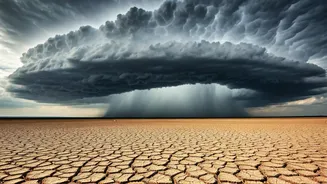
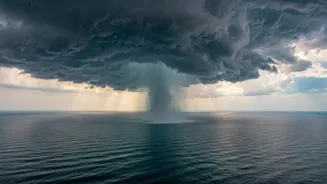
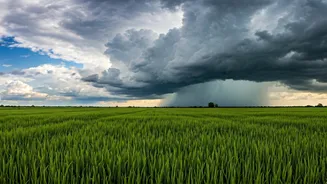
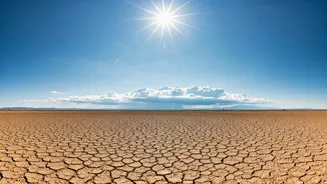
In recent years, a new story has been quietly unfolding. While some traditionally rain-blessed areas are experiencing distressingly long dry spells or dangerously extreme downpours, other, typically arid regions are receiving surprising amounts of rain. Areas in western and northwestern India, including parts of Rajasthan and Gujarat, have become the monsoon's unexpected new favourites. Last year, parts of the Thar Desert received such unusually heavy rainfall that it led to significant greening and even flooding in areas ill-equipped for waterlogging. Places historically defined by their lack of water are suddenly contending with its excess. This isn't a one-off fluke; meteorological data indicates a discernible shift in where the monsoon is choosing to unload its bounty.
What's Driving This Change?
The science behind this shift points primarily to climate change. The India Meteorological Department (IMD) and various climate scientists have highlighted several interconnected factors. A key driver is the accelerated warming of the Arabian Sea. Warmer seas mean more moisture is available in the atmosphere. Simultaneously, changes in atmospheric pressure gradients and the position of the monsoon trough—a low-pressure belt that is a key driver of rainfall—are pulling this moisture further inland and into northwest India. Instead of moving along its traditional path, the system is showing a tendency to linger or shift westward, concentrating rainfall in regions that are ecologically and infrastructurally unprepared for it. This rerouting of a continental-scale weather system is a profound indicator of a climate in flux.
The Two Sides of the Coin
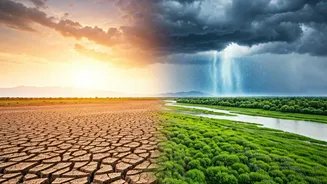
This phenomenon is a classic double-edged sword. On one hand, for a state like Rajasthan, increased rainfall can temporarily recharge groundwater, fill lakes, and support agriculture, creating fleeting oases and new opportunities for monsoon tourism. Social media fills with images of waterfalls in desert landscapes, a novelty that attracts visitors. On the other hand, the consequences can be severe. These arid regions lack the natural drainage systems of river-heavy plains. Their cities and towns are not designed for heavy rainfall, leading to destructive flash floods, waterlogging, and damage to heritage structures. Farmers accustomed to dry-land crops are often unprepared for the new challenges, from different pests to waterlogged fields. The boon of water arrives without the playbook for managing it.
More Than Just a Weather Anomaly
It’s tempting to view this as a curious weather anomaly, but it’s a direct and tangible consequence of a warming planet. The shift in monsoon patterns is a national issue, not a regional one. While Rajasthan gets unexpected rain, other areas that depend on it, like parts of the Gangetic plains or central India, might face deficits, threatening the kharif crop cycle. The grand, unifying Indian monsoon is becoming more fragmented and erratic. It’s no longer just about how much rain India gets as a whole, but how unevenly and unpredictably that rain is distributed. This demands a radical rethinking of our water management, agricultural practices, and urban planning to build resilience for a future where the only constant is change.