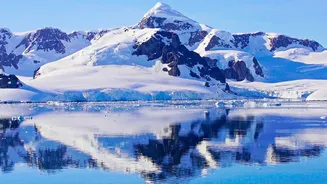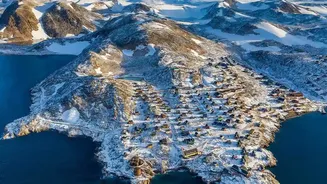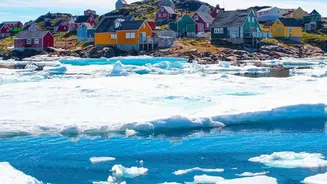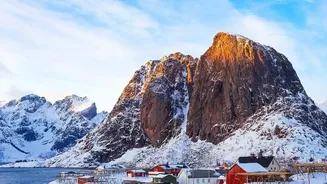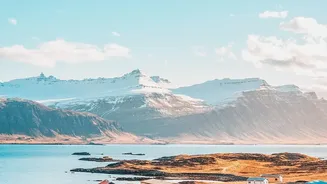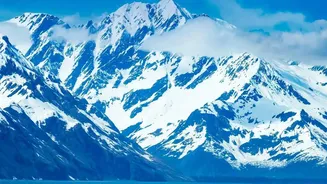

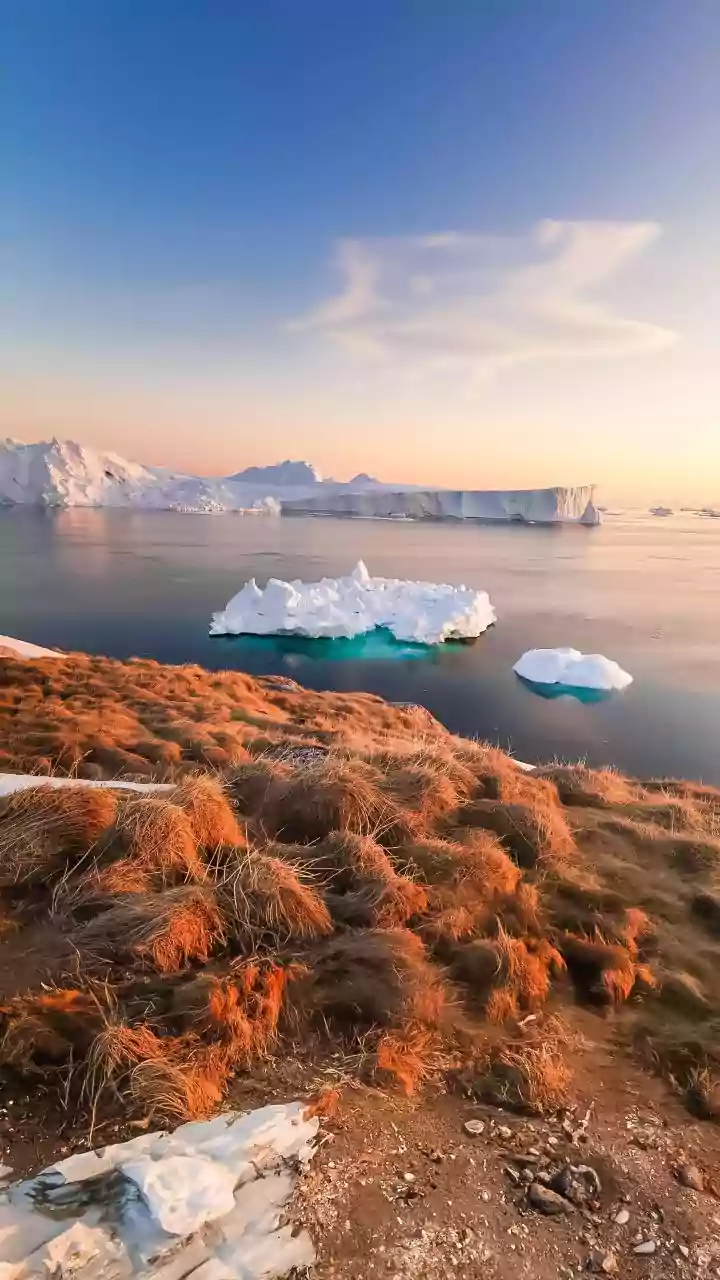


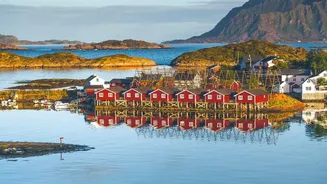

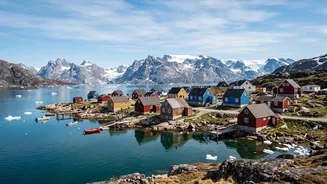
Imagine the crisp Arctic air, the sound of icebergs gently shifting, and the breathtaking moment a giant breaches the surface. Greenland offers one of the world's most dramatic backdrops for whale watching, with tours leaving from colourful, remote towns.
Ilulissat: Where Giants Meet Icebergs
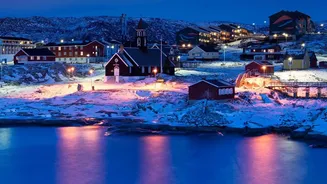
Ilulissat, Greenland’s third-largest town, is arguably the heart of the nation’s tourism and a premier destination for whale watching. Its name means ‘icebergs’ in Greenlandic, a fitting title given its location next to the UNESCO World Heritage-listed Ilulissat Icefjord. This constant parade of colossal ice provides a stunning and ever-changing arena for whale sightings. During the summer months, Disko Bay, where Ilulissat is situated, becomes a rich feeding ground, attracting numerous whale species. Tour operators frequently report sightings of humpback, minke, and fin whales. An excursion from Ilulissat is more than just a search for wildlife; it’s a journey through a landscape of unparalleled scale and beauty, where you might see a 30-tonne humpback whale surface against a backdrop of towering ice. Many tours also combine whale watching with visits to smaller, nearby settlements like Oqaatsut, offering a glimpse into traditional Greenlandic life.
Nuuk: The Capital's Fjord Safari
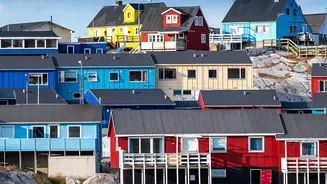
As Greenland's capital, Nuuk offers a unique blend of urban culture and accessible wilderness. The vast Nuuk Fjord system is a reliable summer home for humpback and minke whales, which are drawn to its deep, nutrient-rich waters. Several local operators offer dedicated whale-watching safaris, typically lasting a few hours, that navigate the fjord in search of these gentle giants. The experience here is distinct; you can leave the vibrant city behind and, within minutes, be in a serene world of steep mountains and open water. Guides and captains are often in communication with local fishermen, using the latest sighting information to increase the chances of an encounter. The Nuuk Fjord is a protected area where hunting humpbacks is not permitted, making it a peaceful sanctuary for the animals.
Qeqertarsuaq: Volcanic Charm on Disko Island
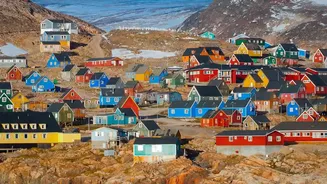
For a truly unique setting, head to Qeqertarsuaq on Disko Island. This location stands apart from mainland Greenland due to its volcanic origins, featuring dramatic basalt mountains and black sand beaches. Historically a significant whaling hub, today it is a prime spot for whale watching. The waters around the island are a playground for various species, and from April to May, there are even chances to see the magnificent bowhead whale. During the summer, humpback whales are common visitors. The town itself is a small, charming settlement with colourful houses. You can take boat tours directly from the harbour or even hike to historic lookout points like Qaqqaliaq, where locals have spotted whales from shore for centuries.
Aasiaat and the Southern Disko Bay
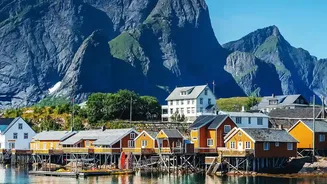
Located in the southern part of Disko Bay, the town of Aasiaat is another fantastic, though less-visited, base for whale watching. Known as the 'Town of the Whales', its surrounding archipelago is a frequent haunt for humpback, minke, and fin whales during the summer. Tours from Aasiaat offer an intimate experience, often on smaller boats that navigate through the maze of islands. The slightly more southern location in the bay makes it a key transit area for whales as they migrate. While Ilulissat is famous for its massive icebergs, Aasiaat provides a different perspective of Disko Bay, focusing on the archipelago's channels and the abundant marine life they support.
Know Before You Go: Planning Your Trip
The prime season for whale watching in Greenland is during the summer, generally from June to September. This is when migratory species like humpback, minke, and fin whales arrive to feed in the cool, nutrient-dense waters. Only a few species, such as the bowhead, beluga, and narwhal, are year-round residents. No matter the time of year, dressing warmly is essential. Even on a sunny summer day, the temperature on the water can be frigid. Layered clothing, including a windproof and waterproof outer layer, is highly recommended. While sightings of wild animals can never be guaranteed, operators use their extensive local knowledge to maximize your chances of an unforgettable encounter.