




What is the 'No PUC, No Fuel' Rule?
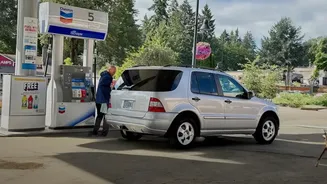
As part of its winter action plan to combat rising air pollution, the Commission for Air Quality Management (CAQM) has directed that the 'No PUC, No Fuel' rule be strictly enforced across Delhi-NCR. This means petrol pumps are required to deny fuel—including
petrol, diesel, and CNG—to any vehicle that does not have a valid Pollution Under Control (PUC) certificate. The rule, which was first introduced in Delhi, has now been expanded to cover the entire NCR, including districts in Haryana and Uttar Pradesh. To ensure compliance, many fuel stations, especially the 500 in Delhi, are being equipped with Automatic Number Plate Recognition (ANPR) cameras that automatically verify a vehicle's PUC status against the central Parivahan database before dispensing fuel.
When Did This Rule Take Effect?
The strict enforcement of the 'No PUC, No Fuel' policy began on October 1, 2026. This implementation is a key part of the Graded Response Action Plan (GRAP) to manage air quality as the region heads into the high-pollution winter months. While the policy was announced earlier and had seen patchy enforcement, authorities have now mandated strict, coordinated implementation across the entire NCR. In NCR districts of Haryana where ANPR cameras are not yet fully operational, petrol pump staff have been instructed to manually check for a valid PUC certificate before refueling vehicles.
Why Is This Being Enforced So Strictly Now?
This crackdown is a preemptive strike against the severe dip in air quality that Delhi-NCR experiences every winter. Vehicular emissions are a major contributor to PM2.5 and PM10 pollutants, accounting for a significant percentage of air pollution, especially during colder months. By ensuring that all vehicles on the road comply with emission norms, authorities aim to curb a primary source of pollution before the season peaks. The move is part of a broader strategy that also includes restrictions on older vehicles, a ban on certain construction activities, and efforts to reduce stubble burning.
How to Get and Renew Your PUC Certificate
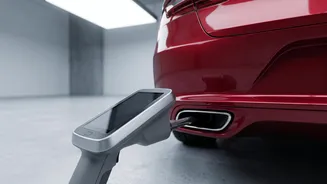
Obtaining a PUC certificate is a straightforward offline process. You must take your vehicle to an authorised emission testing centre, many of which are located at petrol pumps. A technician will use a gas analyser to measure your vehicle's tailpipe emissions. If the emissions are within the prescribed limits, a certificate is issued. For BS-IV and newer BS-VI compliant vehicles, the PUC certificate is valid for one year. For older vehicles, it needs to be renewed more frequently. The cost is nominal, typically around ₹60 for two-wheelers, ₹80 for petrol cars, and ₹100 for diesel cars. While the test is offline, you can download a copy of your valid certificate from the official Parivahan portal.
Penalties for Non-Compliance
Aside from being denied fuel, driving without a valid PUC certificate carries significant financial penalties. Under the Motor Vehicles Act, the fine for not having a valid PUC can be up to ₹10,000. In addition to the fine, offenders could also face imprisonment for up to six months or suspension of their driving licence for three months. Enforcement agencies are conducting targeted drives and using the ANPR camera network to identify and penalise non-compliant vehicles. It's important to note that electric vehicles are exempt from needing a PUC certificate as they have zero tailpipe emissions.