





The Five-Star Treatment
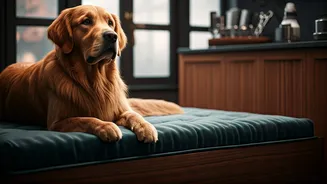
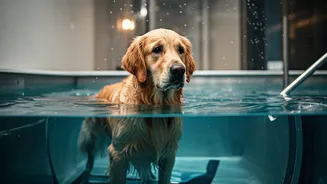
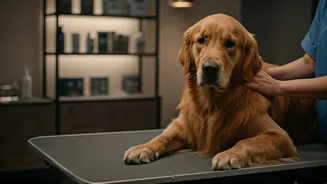
Step inside a high-end urban pet spa, and you might mistake the services menu for one at a resort in Palm Springs. On offer are 'paw-dicures' with pet-safe nail polish, deep-conditioning fur treatments, and even therapeutic massages to soothe anxious
animals. Establishments in cities like New York, Los Angeles, and Austin boast amenities like private suites for post-treatment relaxation, treadmills for a light workout, and boutique shops selling everything from organic treats to designer pet apparel. This isn't your neighborhood groomer with a tub in the back. These are meticulously designed wellness centers for the four-legged set. The goal is not just cleanliness, but a holistic experience aimed at a pet's total well-being, mirroring the language and practices of the human wellness industry. From sound baths designed to calm nervous dogs to specialized skin treatments for sensitive breeds, the services are becoming increasingly specific and sophisticated.
Meet the 'Pet Parents'
Driving this trend is a fundamental shift in how younger Americans relate to their animals. The term 'pet owner' feels increasingly outdated to many millennials and Gen Zers, who overwhelmingly prefer 'pet parent.' This is more than semantics; it reflects a deep, emotional bond and a quasi-parental sense of responsibility. For a generation that has often delayed traditional life milestones like marriage and having children, pets have stepped in to fill a crucial role, becoming central figures in their households and emotional lives.
These are not just animals; they are family members, confidantes, and workout buddies. This 'humanization' of pets means their needs—or what we perceive as their needs—are elevated. If you would treat yourself to a spa day to de-stress, the logic follows, why wouldn't you offer the same to your beloved canine or feline companion who provides unconditional love?
An Extension of Self-Care Culture
The rise of the pet spa dovetails perfectly with the explosion of self-care and wellness culture over the past decade. Younger generations have been conditioned to see wellness not as an indulgence, but as a necessity. We optimize our diets, our fitness routines, and our mental health practices. It was only a matter of time before this mindset was projected onto our pets.
Spending on a calming CBD-infused 'paw-ssage' for an anxious rescue dog is framed as a legitimate therapeutic expense, not a frivolous luxury. Choosing the shampoo with the most natural, organic ingredients feels like a responsible parenting choice. In this context, the pet spa becomes another tool in the modern pet parent's arsenal for providing the best possible life for their furry child. It’s a way to actively care for a creature you love, using the same language and values you apply to yourself.
The Booming Business of Pet Pampering
This emotional shift has created a massive economic opportunity. The American Pet Products Association reports that Americans spend tens of billions of dollars annually on their pets, with the premium services category seeing significant growth. Entrepreneurs are capitalizing on this willingness to spend, creating high-end brands and experiences that cater directly to the 'pet parent' identity.
These businesses understand their clientele. Their marketing doesn't just sell a haircut; it sells peace of mind and the satisfaction of being a good, attentive parent. The aesthetics are clean and modern, the ingredients are transparent, and the social media feeds are filled with photos of blissed-out, professionally coiffed animals. It’s a savvy business model built on a foundation of genuine love, modern anxiety, and a whole lot of disposable income.