






What Are Seed Oils and Why the Controversy?
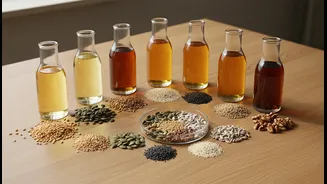
Seed oils are fats extracted from the seeds of plants. This category includes common cooking oils like sunflower, corn, soybean, and canola oil. The primary controversy stems from two main points. Critics argue that they are highly processed and contain
a high concentration of omega-6 polyunsaturated fatty acids. Some theories suggest that modern diets, with their heavy reliance on these oils, create an imbalance between omega-6 and omega-3 fatty acids, which could potentially promote inflammation. On the other hand, many health organisations have historically promoted these oils as a source of unsaturated fats, which are considered a better alternative to the saturated fats found in butter and other animal products. Proponents point to their role in a heart-healthy diet when used correctly. The online arguments often present these oils as either entirely good or bad, but nutrition science suggests a more complex reality.
The Quantity Question: How Much Is Too Much?
One of the most overlooked factors in the seed oil debate is quantity. A small amount of oil used to sauté vegetables is vastly different from using it to deep-fry processed foods. Many negative associations with seed oils come from their heavy use in ultra-processed snacks, fast food, and restaurant meals, where they are consumed in large quantities. The issue here may be less about the oil itself and more about the dose. In general, experts advise limiting overall oil consumption. When a diet is flooded with foods high in any type of fat, it can contribute to excess calorie intake and other health issues. Rather than banning a specific oil, a more balanced approach is to be mindful of how much you're consuming daily, regardless of the source.
The Frequency Factor: A Daily Habit or Occasional Food?
How often you consume seed oils also plays a crucial role. If your daily diet consists of multiple meals and snacks prepared with large amounts of refined oils, the cumulative effect could be significant. The typical Western diet often features a skewed ratio of omega-6 to omega-3 fatty acids, sometimes as high as 15:1 or 20:1, when a ratio closer to 4:1 or lower is considered more desirable for reducing health risks. This imbalance is driven by frequent consumption of processed foods rich in omega-6s. However, if your use of seed oils is infrequent—perhaps for occasional home cooking within an otherwise nutrient-rich diet—the impact is likely minimal. The problem arises when high-omega-6 oils become the default fat source for nearly every meal, day after day.
The Whole Meal Matters Most
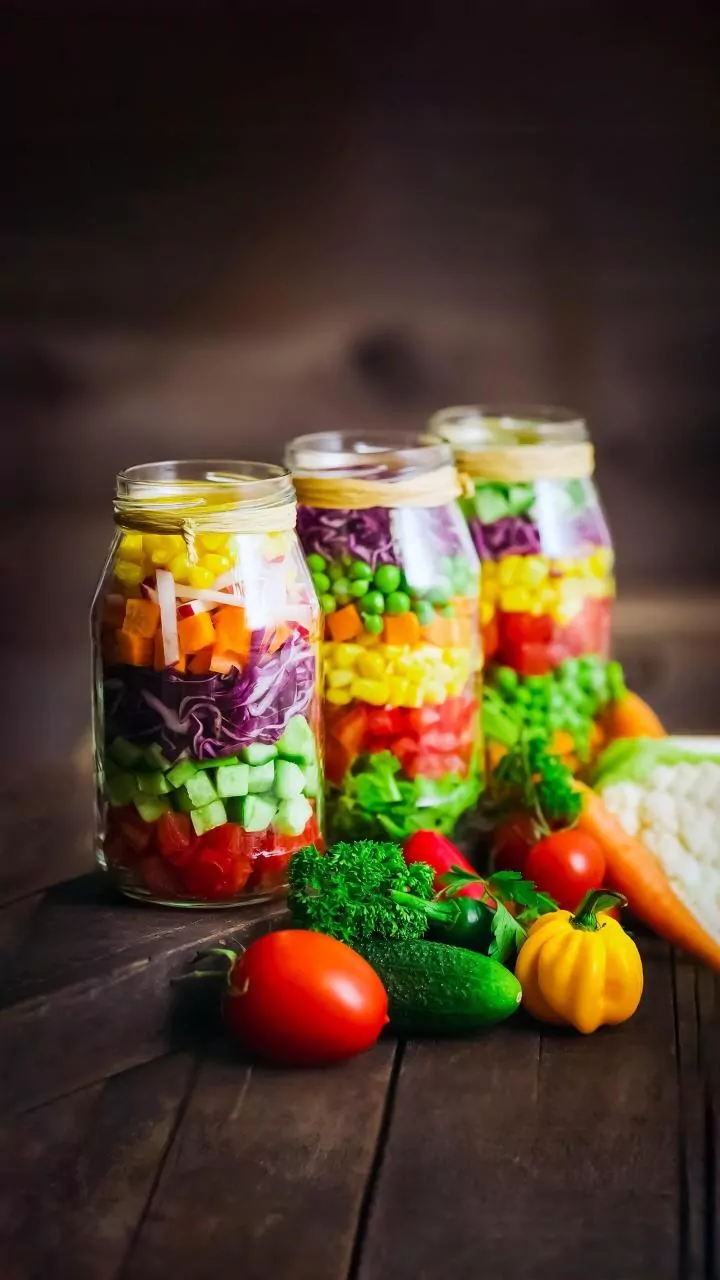
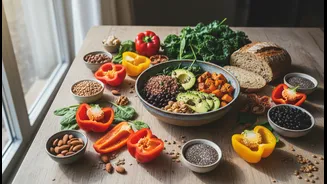
Perhaps the most critical point often ignored is the context of the entire meal. Nutrition science is increasingly moving away from focusing on single nutrients and towards analysing overall dietary patterns. An oil's health effect is dramatically influenced by the foods it's paired with. For example, a tablespoon of sunflower oil used as a dressing on a large, colourful salad full of leafy greens, vegetables, and a source of omega-3s (like fish or walnuts) is part of a healthy dietary pattern. The same oil used to fry a nutritionally poor, processed snack creates a very different health equation. Focusing on a single ingredient, like a seed oil, while ignoring the high sugar, sodium, and lack of nutrients in the food it's cooked with, misses the forest for the trees. A diet rich in whole foods, fruits, vegetables, and lean proteins can buffer the potential downsides of any single component.
Processing, Preparation, and Your Plate
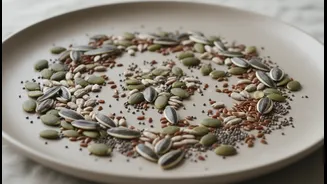
Not all seed oils are created equal, and how they are prepared matters immensely. Highly refined oils, which are processed to have a neutral flavour and longer shelf life, are different from their cold-pressed or unrefined counterparts. The latter often retain more of the seed's original nutrients. Furthermore, heating oils to high temperatures, as in deep-frying, can change their chemical structure and create potentially harmful compounds. The consensus among many nutrition experts is not necessarily to eliminate seed oils entirely, but to use them sparingly, choose less-processed versions when possible, and avoid high-heat cooking methods that rely on them. The goal is to shift the balance—reduce intake of omega-6s from processed sources while actively increasing omega-3s from sources like fatty fish, flaxseeds, and walnuts to achieve a healthier ratio.