






The Lower Berth: Social Hub and Convenient Seat
The Lower Berth (LB) is often the most sought-after, and for good reason. It offers the ultimate convenience. Passengers don't need to climb to get to their spot, making it ideal for senior citizens, families with young children, and those with mobility
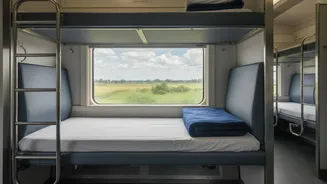
issues. It also provides easy access to luggage stored underneath and the freedom to get up and walk around without disturbing others. During the day, the lower berth functions as a communal seating area for all passengers in that bay, including those with Middle and Upper berths. This makes it the social centre of the compartment, but also means the occupant has little privacy. According to Indian Railways rules, the berth is designated for sitting from 6 AM to 10 PM, with sleeping reserved for the night hours. This is a crucial point of train etiquette that often causes friction if a lower berth passenger wishes to lie down during the day.
The Upper Berth: A Private Retreat for Sleepers
If uninterrupted sleep is your top priority, the Upper Berth (UB) is your best friend. Once you've climbed up, you are removed from the daytime chatter and movement in the aisle below. You can lie down and rest at any time of day without needing to negotiate with co-passengers. This makes it a preferred choice for solo travellers and anyone who values privacy. However, the convenience ends there. Climbing up and down, especially in the middle of the night to use the washroom, can be a hassle. The space can also feel cramped, with limited headroom that usually doesn't allow you to sit up straight. While it offers a private cocoon for sleeping, it’s not designed for daytime lounging or gazing out the window.
The Middle Berth: The Great Compromise
The Middle Berth (MB) is a classic compromise, offering a mix of the pros and cons of the other two. It's easier to climb into than the upper berth but shares the same disadvantage of being unusable during the day. The berth is folded down against the wall of the coach from morning until night, allowing passengers to use the lower berth for seating. This means a middle berth passenger's schedule is tied to that of the lower berth occupant; you can only go to bed when they are ready to convert the seat into a bed. It offers less disturbance than the lower berth but more than the upper. Many find it has very little headroom, making it uncomfortable for sitting up, and it’s often the least preferred option for long journeys.
The Side Berths: A Unique Experience
Situated along the aisle, the two side berths—Side Lower (SL) and Side Upper (SU)—offer a different experience. The Side Lower berth functions as two seats facing each other during the day, which convert into a single bed at night. It's a favourite among solo travellers who enjoy having a dedicated window seat all to themselves. The Side Upper berth offers a good degree of privacy and, in some coaches, more headroom than the main upper berths, sometimes even allowing you to sit up. A key difference is that side berths are generally narrower than the main berths, which can be a drawback for some. The Side Lower occupant also has to contend with constant traffic in the aisle, while the Side Upper offers a quieter escape.
Making the Right Choice for You
Ultimately, the 'best' berth depends entirely on your travel style and priorities. If you're travelling with family or have mobility concerns, the convenience of the Lower Berth is unmatched. If you plan to sleep for most of the journey and want to be left alone, aim for the Upper Berth. For solo travellers who love window views, the Side Lower is an excellent choice. When booking your ticket on the IRCTC website, you can select your preference, though the final allocation depends on availability. The system has provisions to automatically allot lower berths to senior citizens and pregnant women when possible.