




Redefine Calm: Beyond Emptiness
First, let's redefine what makes a home feel calm. True tranquility isn't about absence, but about balance. A calm home is one where the visual elements are cohesive, not competing for attention. It's a space that feels safe, comfortable, and deeply personal.
Studies in environmental psychology show that our surroundings significantly impact our mental state. A home that reduces visual noise—not by being empty, but by being thoughtfully curated—lowers stress and creates a sense of order. The goal isn't to strip your home of character; it's to edit your belongings so that what remains is either useful or meaningful, allowing your space to breathe and your mind to relax.
Embrace the Power of Texture
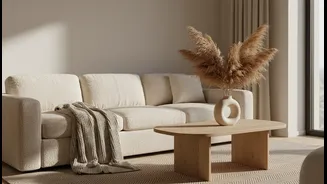
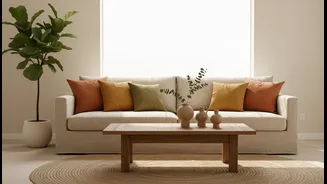
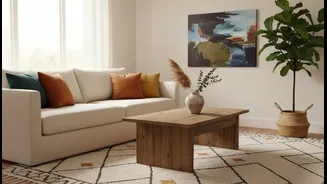
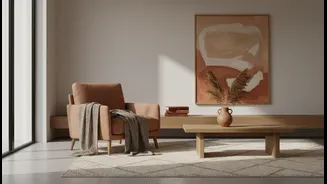
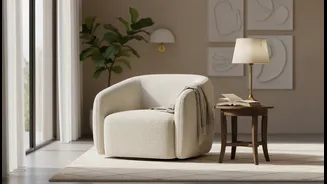
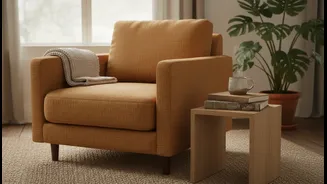
One of the most effective ways to add warmth without adding clutter is through texture. While flat, glossy surfaces can feel cold and clinical, natural materials introduce a quiet richness. Think of the comforting feel of a woollen throw, the softness of linen curtains, the organic grain of a wooden coffee table, or the rustic weave of a jute rug. These elements add depth and a tactile quality that invites you to slow down and relax. Layering different textures in a similar colour family creates a sophisticated, layered look that feels intentional and cozy, proving that a room doesn't need to be busy to feel complete.
A Soothing and Personal Colour Palette
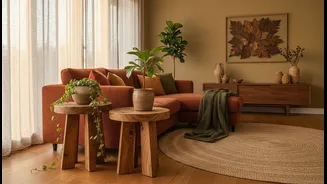
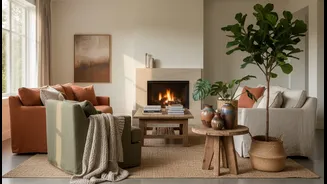
A calm home doesn't have to be all white. Colour theory suggests that certain hues have a naturally soothing effect. Soft, muted shades found in nature—like sage green, dusty blue, warm beige, and terracotta—can create a serene backdrop. These colours are restful for the eye and promote a sense of tranquility. The key is to create a cohesive palette of three to five related colours throughout your home. This provides visual consistency that allows the eye to move smoothly from one space to the next, making the entire home feel more unified and peaceful.
Curate, Don't Just Declutter
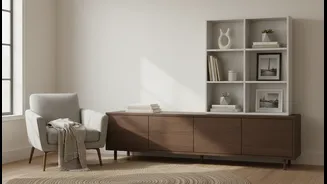
There's a difference between clutter and a collection. Clutter is an accumulation of items that lack a home or a purpose, creating visual chaos that can increase stress. A curated collection, on the other hand, tells a story about who you are. Don't hide away all your personal belongings. Instead, be intentional about what you display. A stack of your favourite books on a side table, a few cherished family photos in elegant frames, or a piece of art that you love can make a space feel deeply personal and lived-in. The trick is to edit your surfaces, keeping only a few meaningful pieces on display at a time. This approach ensures your home reflects your personality without feeling overwhelmed by stuff.
Bring Nature Indoors
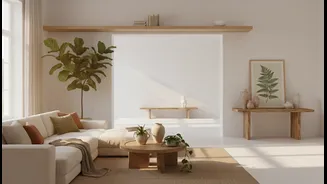
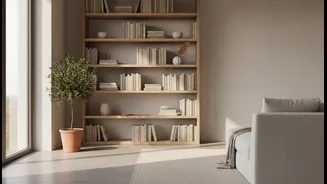
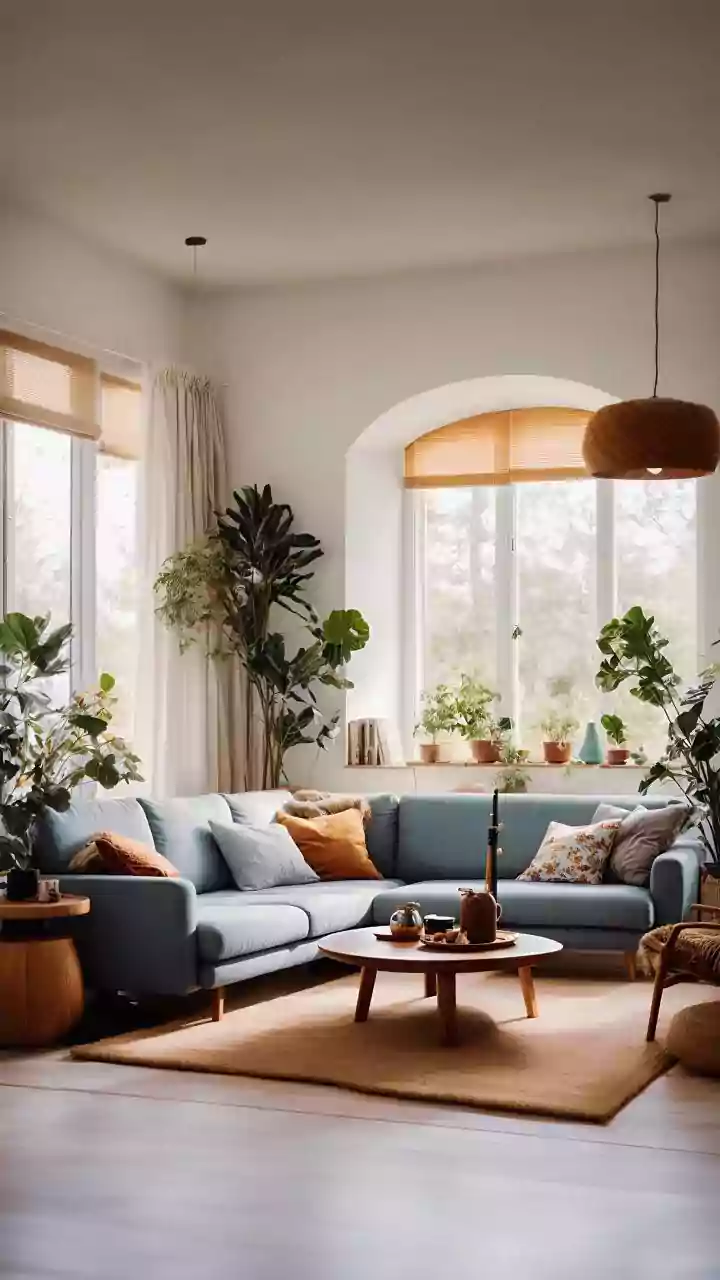
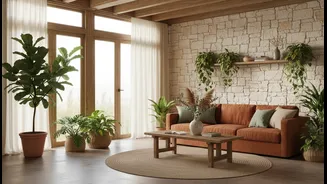
Biophilic design, which incorporates elements of nature into our built environments, has been shown to reduce stress and improve well-being. This is one of the simplest ways to foster a sense of calm. Adding houseplants not only purifies the air but also brings life and a touch of green serenity into your space. If you don't have a green thumb, you can achieve a similar effect with fresh flowers, a bowl of fruit on the counter, or by using natural materials like wood, stone, and woven fibres in your decor. Maximising natural light by keeping window treatments simple also plays a huge role in making a space feel more open and peaceful.
The Importance of Soft Lighting
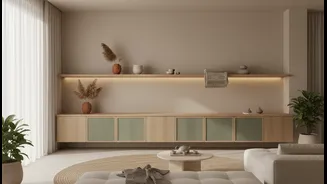
Harsh overhead lighting can feel clinical and disruptive. A calm atmosphere, by contrast, is often created with layered lighting. Use a combination of ambient (general), task (focused), and accent lighting to create a warm and inviting glow. Dimmer switches are a great tool for adjusting the mood of a room throughout the day. In the evenings, rely on table lamps and floor lamps with warm-toned bulbs to create soft pools of light, which is more relaxing and signals to your body that it's time to unwind.