





The Problem with Our Morning Brew
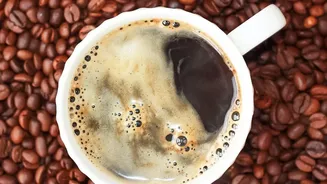
Globally, we consume over two billion cups of coffee every single day. This habit produces an immense quantity of wet, heavy coffee grounds that typically end up in landfills. When organic waste like coffee grounds decomposes in a landfill, it releases
methane, a potent greenhouse gas that contributes to climate change. This linear model of produce-consume-discard is not only inefficient but also environmentally costly. The challenge for modern cities is to find circular solutions—ways to turn waste streams into valuable resources, creating a more sustainable, self-sufficient urban ecosystem.
From Cafe Waste to Fungi Farm
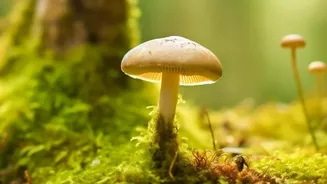
The process of turning coffee waste into food is a prime example of the circular economy in action. It begins with collecting fresh, used coffee grounds from local cafes, restaurants, and offices. A key advantage is that the brewing process effectively pasteurises the grounds, killing off most competing moulds and bacteria. These grounds are then mixed with a 'spawn'—the vegetative root structure of fungi, known as mycelium. This mixture is packed into special bags or containers and kept in a dark, controlled environment for several days or weeks to allow the mycelium to fully colonise the grounds. Once the grounds are covered in the white, thread-like mycelium, they are moved to a space with more humidity and indirect light to encourage 'fruiting'—the stage when the mushrooms we eat begin to sprout.
Why Coffee is a Superfood for Mushrooms
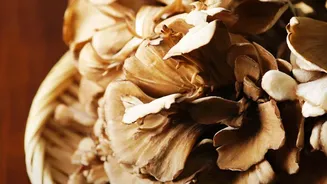
Used coffee grounds are an almost perfect substrate for growing certain types of mushrooms, particularly oyster mushrooms. They are packed with essential nutrients that fungi thrive on, including nitrogen, potassium, phosphorus, calcium, and magnesium. The grounds retain moisture well and have a fine texture that is ideal for the mycelium to grow through. While some operations use pure coffee grounds, others find that mixing them with materials like straw can improve aeration and prevent the substrate from becoming too compacted, leading to better yields. This nutrient-rich base provides everything the mushrooms need to grow quickly and robustly, often in just a matter of weeks.
The Business of Urban Mycology
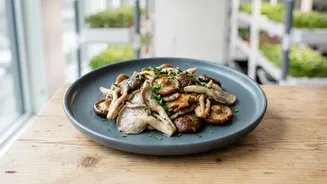
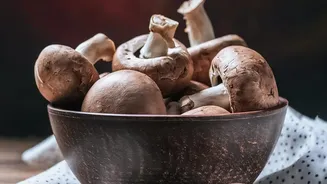
This innovative practice is more than just a novelty; it is a viable business model being adopted by startups in cities across the world. Companies like Funghi Espresso in Italy and PermaFungi in Belgium collect tonnes of coffee waste to produce fresh, local mushrooms for restaurants and consumers. For every five tonnes of coffee grounds they recycle, PermaFungi can harvest one tonne of oyster mushrooms. This creates a hyperlocal food source, drastically cutting down on the food miles associated with transporting produce. It also creates green jobs in urban centres and offers cafes a sustainable way to dispose of their primary waste product. Some companies even sell DIY kits, empowering people to grow their own mushrooms at home.
Beyond the Mushroom Harvest
The cycle doesn't end once the mushrooms are harvested. The leftover substrate, now enriched by the fungal activity, is a fantastic compost and soil amendment. This material can be used in urban gardens, landscaping projects, or sold as a high-quality organic fertiliser, closing the loop entirely. Some pioneers are even taking it a step further. Funghi Espresso uses the spent substrate for worm composting, with the resulting humus used to grow vegetables. Other innovators are experimenting with the mycelium-bound substrate to create biodegradable materials for packaging and insulation, demonstrating that the potential of this humble waste product is far from exhausted.