




Planning Your Meghalaya Adventure
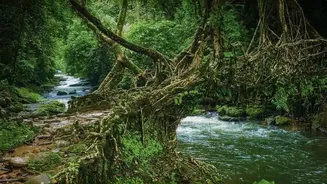
Meghalaya is a dream for budget travelers, offering a mix of surreal landscapes and unique cultural experiences without breaking the bank. The state is renowned for its living root bridges, marvels of bio-engineering created by the Khasi people over centuries.
These bridges, which grow stronger over time, are the centerpiece of many incredible treks. For the best experience, plan your trip during the dry season from October to April. This period offers pleasant weather and safer trekking conditions, as the monsoon rains can make trails slippery and treacherous. Most travelers begin their journey by flying or taking a train to Guwahati in Assam, the nearest major transport hub.
The Ultimate Hike: Nongriat's Double-Decker Bridge
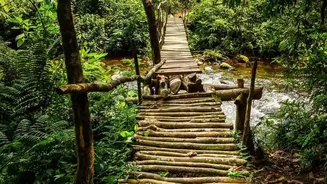
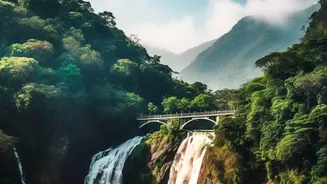
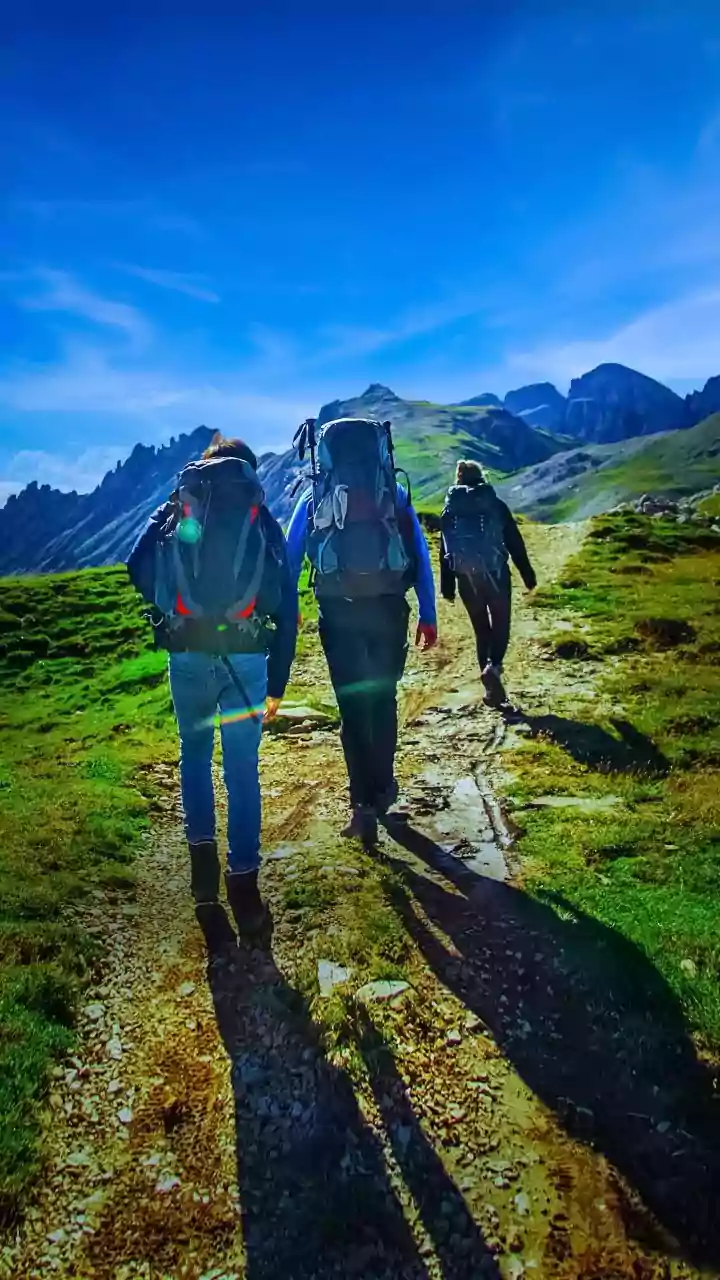
The most famous trek leads to the Double-Decker Living Root Bridge in Nongriat village. The journey starts from Tyrna village, a short drive from Cherrapunji (Sohra). Be prepared for a physical challenge; the trek involves descending, and later ascending, over 3,000 steep concrete steps. The hike itself, which takes about 4-5 hours for a return trip, winds through lush forests, past smaller villages, and across suspension bridges. The reward at the end is the breathtaking two-tiered bridge, a structure that feels like it’s straight out of a fantasy novel. Many trekkers choose to stay overnight in Nongriat to fully absorb the serene atmosphere and explore further to the stunning Rainbow Falls.
Embracing Khasi Hospitality: Finding Local Homestays
One of the best ways to experience Meghalaya is by staying in local homestays. These family-run accommodations offer a glimpse into Khasi culture and are incredibly budget-friendly. In popular trekking destinations like Nongriat, you'll find several basic guesthouses and homestays, some offering dorm beds for as little as a few hundred rupees. In Cherrapunji and Mawlynnong, 'Asia's Cleanest Village', homestay options are also plentiful, with prices generally ranging from ₹800 to ₹1800 per night. While some can be booked online, many in remote villages operate on a walk-in basis or are best booked by asking for recommendations upon arrival. It is wise to carry enough cash, as digital payments are not always an option in these remote areas.
Getting Around on a Shoestring
Transportation is often the biggest expense in Meghalaya, but it can be managed with smart planning. The most economical way to travel between towns is by using shared taxis, locally known as sumos. These connect major hubs like Shillong, Cherrapunji, and Dawki. From Guwahati, you can find shared sumos to Shillong for around ₹300-₹500. While shared taxis are cheap, they can be unpredictable and require patience. For sightseeing, renting a private taxi is more convenient but costly. A savvy budget tactic is to team up with other travelers at your hostel or homestay to split the cost of a private cab for day trips. Scooter rentals are also available in Shillong, offering more freedom for local exploration.
Your Daily Budget: What to Expect
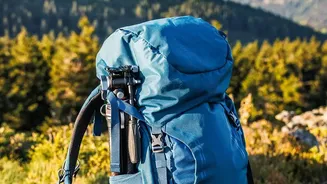
Meghalaya can be explored on a surprisingly tight budget. A frugal backpacker can manage on approximately ₹1000-₹1500 per day. This would cover a dorm bed or a basic homestay (around ₹400-₹800), food from local eateries (₹400-₹500), and shared transport. A full meal, or 'thali', at a local spot can cost as little as ₹80-₹120. For a 5-day trip, a realistic budget for a solo backpacker, excluding flights to Guwahati, would be between ₹10,000 and ₹16,000. This allows for a mix of shared transport, budget stays, and enjoying the low-cost entry fees to most natural attractions, which are often under ₹50.