


More Than a Hand-Me-Down
The dusty trunks and forgotten almirahs of Indian homes have become treasure chests for a new generation. Young men and women are pulling out decades-old silk, cotton, and chiffon sarees, not to wear in their original form, but to deconstruct and reimagine
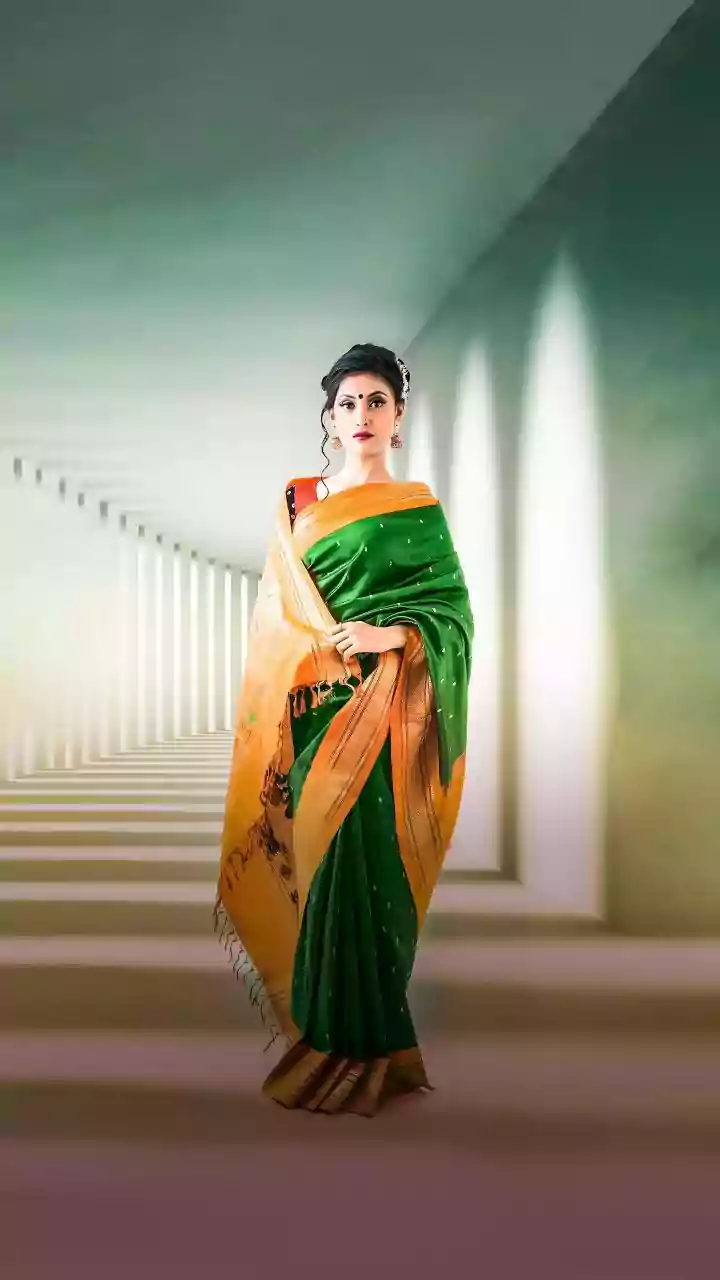
them. This trend is driven by two of Gen Z’s core values: sustainability and individuality. In a world of fast fashion, where trends are fleeting and clothes are disposable, upcycling an heirloom saree is a powerful statement. It’s a conscious choice to reject mass-produced garments in favour of something with history and a soul. Many of these older sarees feature superior quality hand-woven fabrics and natural dyes that are hard to find today, making them not just emotionally valuable but also qualitatively superior. The sentimental value is immense; wearing a piece of your family's history, lovingly transformed, creates a connection that no off-the-rack outfit ever could.
The Art of Transformation
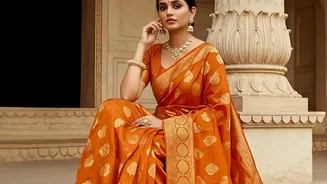
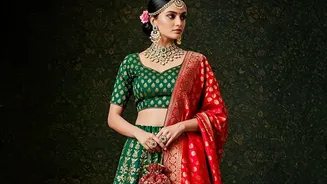
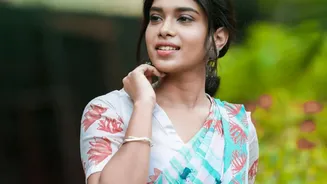
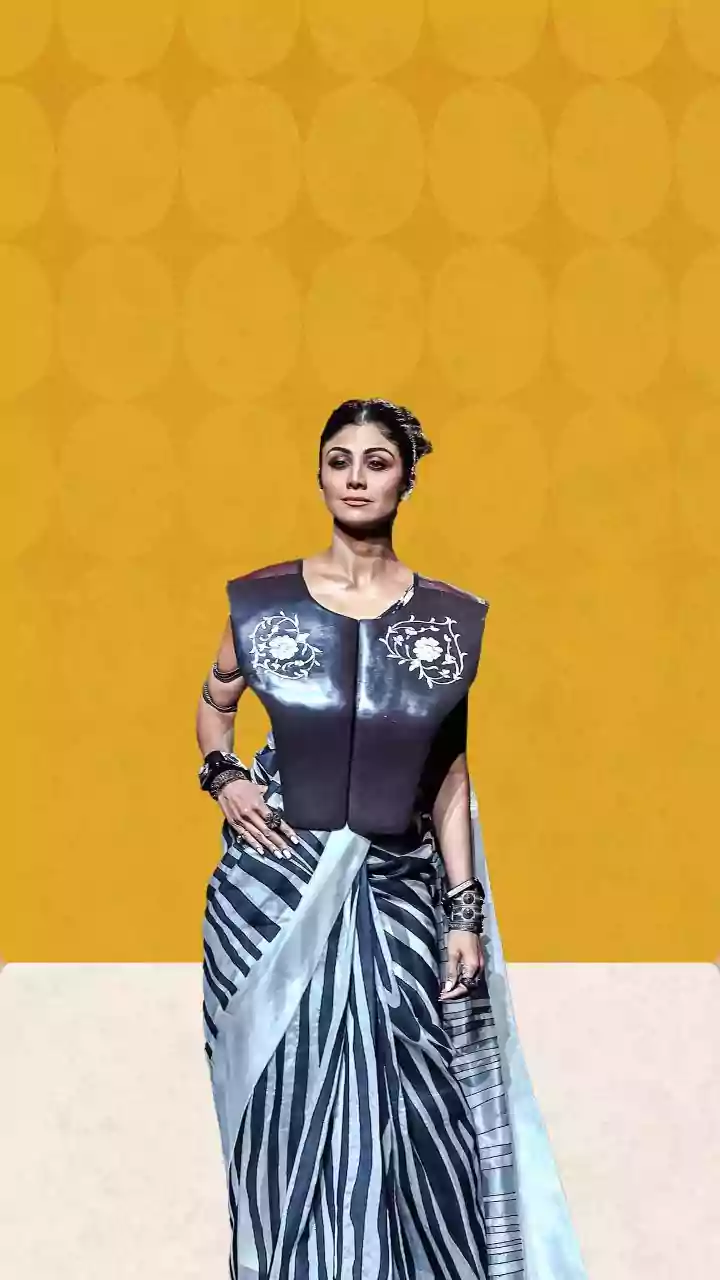
The creative possibilities for reworking a six-yard fabric are nearly endless. A single saree can yield a surprising number of modern garments. Heavy silks like Banarasi or Kanjeevaram are being tailored into structured jackets, sharp pantsuits, and elegant Anarkali dresses, using the rich pallu and intricate borders as statement design elements. Lighter sarees, such as chiffons and georgettes, are finding new life as breezy kaftans, flowing maxi dresses, and chic co-ord sets of crop tops and skirts. The trend isn’t just about cutting and sewing; it's about smart design. Many are preserving the most iconic parts of the saree—the zari border or the elaborate pallu—and incorporating them as the collar of a jacket, the yoke of a dress, or panels on a modern silhouette. This thoughtful preservation ensures the essence of the original garment lives on in its new form.
From DIY to Designer
This movement began organically, fueled by social media platforms where influencers share "grandma's saree glow-up" reels to millions of views. These short videos and tutorials demystify the process, inspiring countless young people to experiment themselves. But for those less confident with a sewing machine, a growing ecosystem of local tailors and boutique designers is stepping in. Brands across India now specialize in upcycling sarees, offering services to transform a customer's family heirloom into a custom-fit creation. Some designers are even sourcing vintage textiles to create their own ready-to-wear collections of jackets, corsets, and dresses, catering to a generation that values uniqueness above all. The appeal is clear: you get a one-of-a-kind piece that nobody else can own.
A Bridge Between Generations
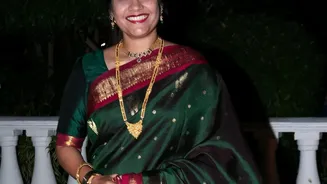
Perhaps the most beautiful aspect of this trend is the dialogue it opens between generations. A granddaughter asking for her grandmother’s old Paithani is not just receiving a piece of fabric; she is receiving a story. It becomes an opportunity to share memories of when and where the saree was worn, who it was bought from, and what it signified. Far from being an act of destroying heritage, this reinterpretation is a form of honouring it. It ensures that these beautiful textiles are not left to decay in a closet but are given a vibrant new life in the modern world. It’s a fusion that goes beyond fabric, blending the elegance of the past with the confident, creative spirit of the future. This festive season, the most fashionable statement might just be the one that carries a personal history.