






Breaking Down the New Fee Structure
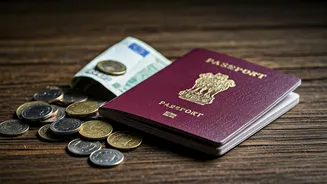
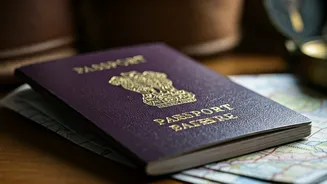
The Ministry of External Affairs has implemented revised fees for passport services under the Passports (Amendment) Rules, 2026. For most adult applicants, the cost for a fresh or reissued standard 36-page passport has increased from ₹1,500 to ₹2,500.
If you're a frequent traveller and need a 60-page 'jumbo' passport, the fee has gone up from ₹2,000 to ₹3,500. These changes apply to all applications submitted on or after July 1, 2026, both within India and at Indian missions abroad. The last major fee revision occurred over a decade ago in 2012, and the government has cited rising operational costs and enhanced security features as reasons for the current increase.
Urgent Travel? Tatkal Costs Are Also Up
For those in a hurry, the Tatkal (expedited) service also comes with a higher price tag. The fee for a 36-page passport under the Tatkal scheme has been raised to ₹5,000 from its previous rate of ₹3,500. Similarly, a 60-page Tatkal passport will now cost ₹6,000, up from ₹4,000. It's important to remember that the Tatkal fee is a comprehensive charge, not an add-on to the normal fee. Given the significant price difference, planning your passport application well in advance of any potential travel can lead to substantial savings.
What This Means for Your Travel Budget
While an increase of ₹1,000 for a standard passport may not seem huge in isolation, it's an important pre-travel cost that needs to be factored in, especially for families. A family of four applying for new passports will now face a total cost of ₹10,000, a significant jump from the previous ₹6,000. This is an upfront expense that comes before you even book flights or accommodation. For budget-conscious travellers and backpackers, this increase could be equivalent to several days' worth of expenses in many Southeast Asian countries. It underscores the importance of treating passport acquisition as a foundational part of your trip's financial planning, not as an afterthought.
Smart Planning to Absorb the Cost
The key to managing this new expense is proactive planning. First, check your passport's expiry date now. Many countries require your passport to be valid for at least six months from your date of entry, so it’s wise to renew it long before it becomes urgent. This helps you avoid the much higher Tatkal fees. When budgeting for a future trip, create a dedicated 'pre-travel documents' fund that includes the passport fee. Consider this as essential as your flight savings. There are also small ways to save on peripheral costs; for instance, you can take your own passport photos using a certified app against a white background, which often costs much less than getting them done at a studio.
Don't Forget Other Passport-Related Expenses
The application fee is the main cost, but it's not the only one. Depending on your situation, you might incur other expenses. If you live far from a Passport Seva Kendra (PSK), you'll need to budget for travel costs. While some people use agents to help with applications, this adds another layer of expense that can be avoided by using the official government portal directly. The government has also revised fees for replacing lost or damaged passports, which are now significantly higher—starting at ₹5,000 for a 36-page book. Being organised and keeping your documents safe is more financially important than ever.