


The Wheat-Powered North
The fertile alluvial plains of northern India, fed by Himalayan rivers, are the country's breadbasket. The climate here is ideal for growing wheat, which has become the undisputed staple grain. This agricultural reality is directly reflected in the region's
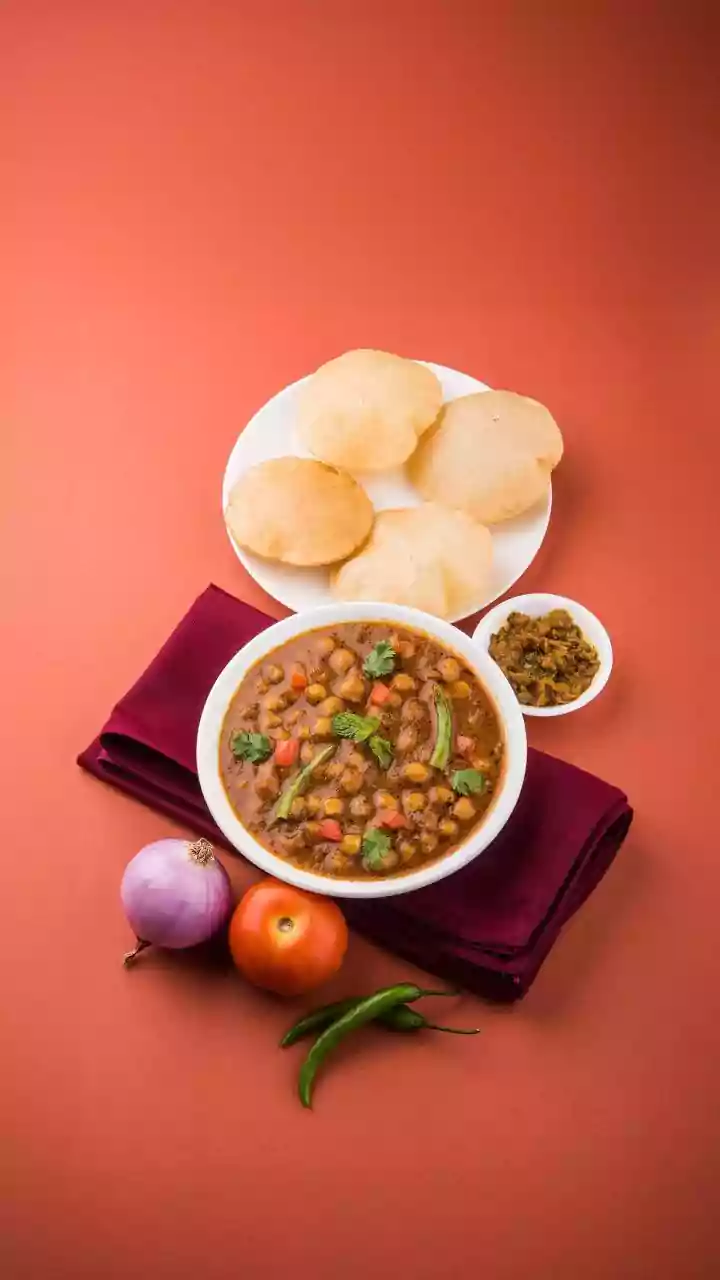
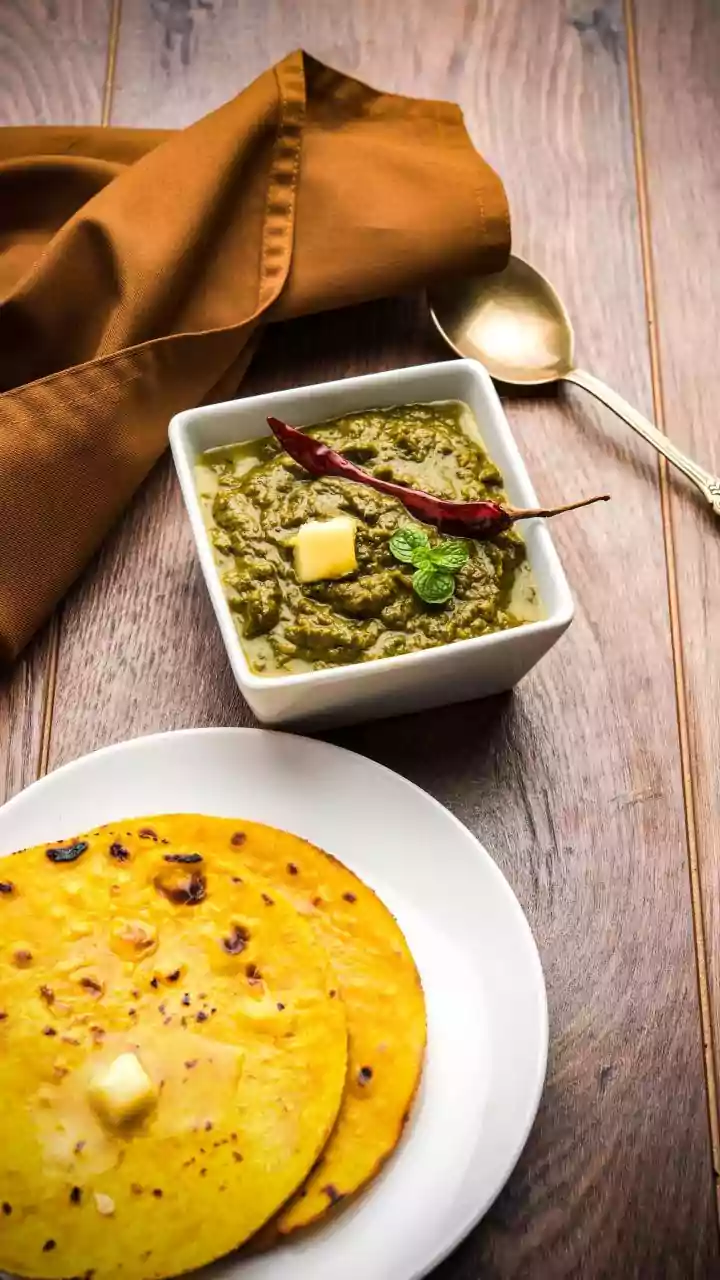
hearty breakfast traditions. Mornings often begin with various forms of flatbread. The most iconic is the paratha—a pan-fried bread that can be enjoyed plain or stuffed with spiced fillings like potatoes (aloo), cauliflower (gobi), or paneer. Paired with a dollop of white butter, tangy pickle, and a bowl of curd, it’s a breakfast built to provide sustained energy. Other popular wheat-based dishes include chole bhature, a combination of spicy chickpea curry and fluffy, deep-fried bread, and puri with aloo sabzi. Dairy from the region's robust livestock farming also plays a key role, with curd, lassi, and ghee being essential accompaniments.
The Rice and Coconut Coast of the South
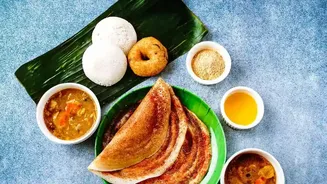
Travel south, and the breakfast landscape transforms completely. The warm, humid, tropical climate of southern India is perfect for cultivating rice and coconuts. As a result, these two ingredients form the backbone of the region's cuisine. Instead of wheat-based breads, you’ll find an array of dishes made from fermented rice and lentil batter. Idli, a soft, steamed rice cake, and dosa, a crispy, thin crepe, are perhaps the most famous examples. Both are easy to digest, thanks to the fermentation process, and are typically served with sambar (a tangy lentil and vegetable stew) and a variety of chutneys, often featuring fresh coconut. Other rice-based favourites include puttu in Kerala, a steamed cylinder of ground rice and coconut, and Pongal in Tamil Nadu, a comforting porridge of rice and moong dal. The use of rice and lentils provides a balanced mix of carbohydrates and protein to start the day.
The Millet and Legume Heartland of the West
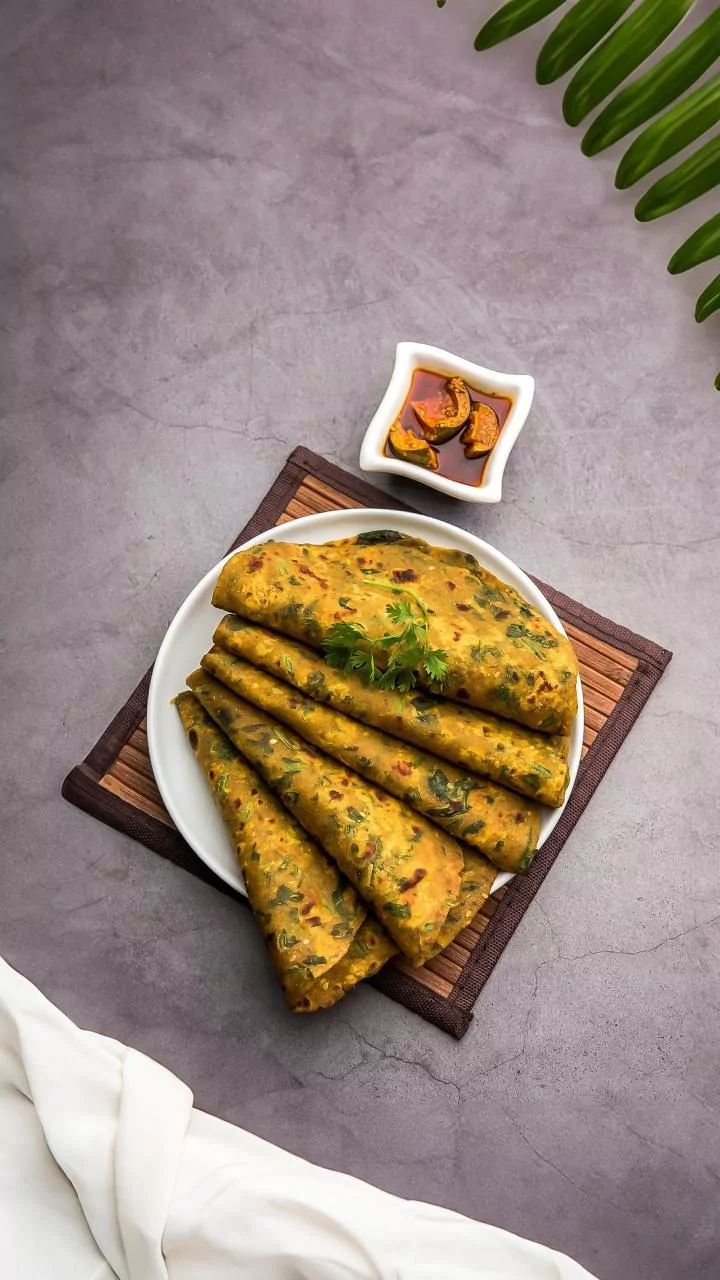
Western India presents another distinct culinary profile, shaped by its varied climates, from the arid regions of Rajasthan and Gujarat to the coastal stretches of Maharashtra. Millets like bajra (pearl millet) and jowar (sorghum), which are drought-resistant, are traditional staples, especially in drier areas. In Gujarat, you’ll find thepla, a soft, spiced flatbread made from whole wheat flour and often mixed with fenugreek leaves (methi). The state is also famous for its steamed, savoury snacks like dhokla and khaman, made from fermented batters of gram flour (besan). In Maharashtra, poha—flattened rice flakes sautéed with onions, potatoes, and spices—is a quick and popular breakfast. Rajasthan’s breakfast might include bajra roti with garlic chutney, reflecting its dependence on hardy crops. This region showcases culinary ingenuity in using grains and legumes that thrive in tougher agricultural conditions.
The Rice and Riverine Flavours of the East
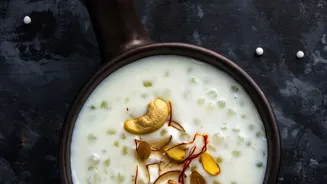
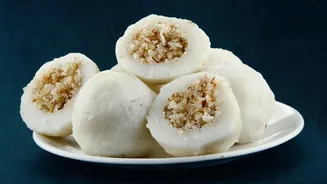
In Eastern India, which includes states like West Bengal, Odisha, and Assam, rice is once again the star ingredient, thanks to the ample rainfall and fertile river deltas. A simple and popular breakfast in Bengal is luchi with aloo'r dom or cholar dal—a fluffy, deep-fried bread made from refined flour served with a potato curry or a lightly sweet lentil dish. Puffed rice, known as 'muri' or 'mudhi', is another staple, often mixed with other ingredients for a quick snack. In Assam, breakfast might include 'pitha', a category of rice cakes that can be sweet or savoury, or 'poita bhat', fermented rice served with accompaniments. The abundance of rivers also means that fish finds its way into many meals, though it's less common for breakfast than rice-based preparations. The cuisine here is known for its subtle and fragrant spices, often featuring mustard oil.