







The Predictable Panic for Parents
An unexpected holiday sends working parents scrambling. For those with rigid work schedules or in the unorganised sector, finding last-minute childcare isn't just an inconvenience; it can mean a lost day's wage. Many are forced to rely on relatives or neighbours,
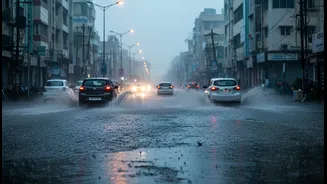
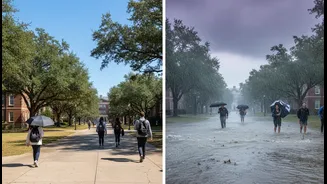
while others have no choice but to take unplanned leave. The disruption disproportionately affects women, who often bear the primary responsibility for childcare, with some even being forced into lower-paying jobs or out of the workforce entirely due to such repeated disruptions. The chaos also extends to students who may already be on their way to school when the holiday is announced, creating confusion and safety risks. This frantic, reactive cycle has become an unwelcome but regular feature of the monsoon season.
The Challenge for Authorities
To be fair, declaring a school holiday is not a simple decision. Authorities must weigh the risks of keeping schools open—such as waterlogged roads, unsafe buildings, and transportation hazards—against the disruption caused by a closure. Weather prediction, while improving, is not an exact science. A forecast for heavy rain doesn't always translate to severe flooding in every locality. This uncertainty often leads officials to delay the decision until the situation is critical, resulting in the early morning announcements that cause so much frustration. Sometimes, conflicting information or rumours on social media can worsen the confusion, with some schools closing while others remain open, leaving parents unsure of the official directive.
More Than Just a Day Off
These frequent, unplanned breaks are not just logistical headaches; they have a real academic cost. Unscheduled holidays disrupt the academic calendar, leading to cancelled exams, incomplete syllabi, and a fragmented learning process. While some schools attempt to switch to online classes, this is not a viable solution for everyone. The digital divide means many students, particularly in rural areas or from low-income families, lack the necessary devices or reliable internet to participate, widening educational inequality. Moreover, for many children from vulnerable backgrounds, school is not just a place of learning but also a source of safety and nutrition through midday meal schemes, which are also disrupted.
A Blueprint for Proactive Planning
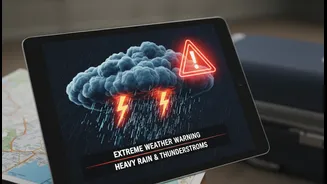
Moving from chaos to coherence requires a clear, pre-emptive strategy. The National Disaster Management Authority has laid out guidelines for school safety plans, which need to be robustly implemented. A better system could involve a colour-coded alert framework tied to India Meteorological Department (IMD) forecasts. For instance, an 'Orange Alert' could trigger a 'prepare for closure' notice to parents the evening before, while a 'Red Alert' automatically confirms a holiday. This gives families precious time to plan. Empowering district or even municipal-level authorities to make localised decisions, rather than imposing blanket state-wide closures, would also be more effective, as rainfall intensity can vary significantly across a region. Creating a unified and reliable communication channel—like a dedicated app or SMS service—would eliminate the confusion caused by social media rumours.
Building Resilience at Every Level
Ultimately, creating a more resilient system is a shared responsibility. Schools can develop their own clear disaster management plans, including protocols for a potential shift to remote learning and ensuring their infrastructure is safe. Regular mock drills for emergencies like flooding can prepare both students and staff. However, the onus is on the state and district administrations to lead the way. They must collaborate with education departments, disaster management agencies, and schools to create and communicate a clear, predictable, and timely plan. Knowing the protocol in advance would empower parents and schools to manage these situations effectively instead of simply reacting to them.