




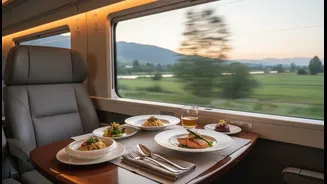
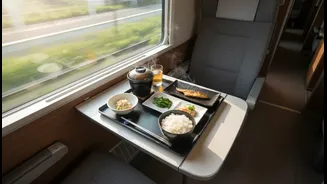


From Pantry Car to Food App
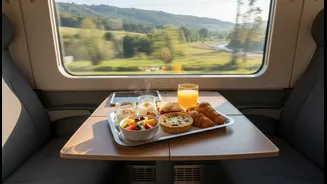
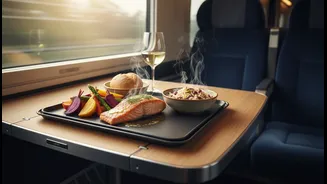
For decades, train food meant two things: the onboard pantry car or vendors on the platform. The pantry car offered convenience but was infamous for its limited, often uninspired menu and inconsistent quality. Platform vendors were a gamble on hygiene
and required a mad dash during short halts. This entire system was ripe for a shake-up. The change came with IRCTC's e-catering initiative, a move that effectively unbundled food from the journey. Instead of being a captive audience, passengers were given a choice. This digital shift allowed third-party aggregators and major food delivery giants like Swiggy and Zomato to enter the scene, creating a competitive marketplace that travels with you.
How Does It Actually Work?
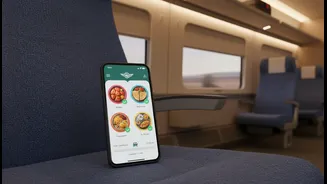
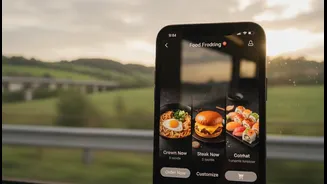
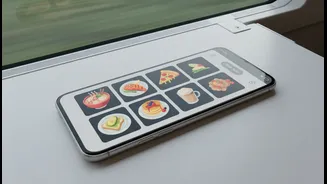
The magic behind getting a hot meal delivered to your seat is your 10-digit PNR number. When you enter this number into an app like IRCTC’s official ‘Food on Track’ or partners like Swiggy, Zomato, or RailMitra, the system knows your exact train, coach, and seat number. You can browse menus from FSSAI-approved restaurants located near stations on your route. You pick a station for delivery, select your meal, and pay online. The order is sent to the restaurant, which prepares the food and hands it to a delivery person. They then find your coach and seat when the train pulls into the station, delivering the food right to you. Some apps even have features that let you simply scan your ticket to automatically detect the PNR and place an order.
Why the Sudden Boom?
Several factors have fueled this rapid growth. The most obvious is technology: widespread smartphone ownership and comfort with digital payments created the foundation. But it's also about a shift in expectations. Young Indians, accustomed to the convenience of food delivery apps in cities, now demand the same choice and quality while travelling. Recent data shows this trend is exploding; Swiggy, for instance, reported a threefold year-on-year growth in train food orders in the first quarter of FY27. The service is also a gateway for digital adoption in smaller towns, with a significant percentage of users in places like Guna, Madhya Pradesh, being first-time app users. This indicates a deep desire for better options that transcend metro boundaries.
Beyond the Veg Cutlet
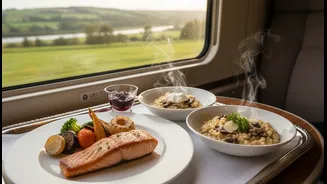
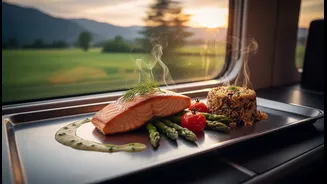
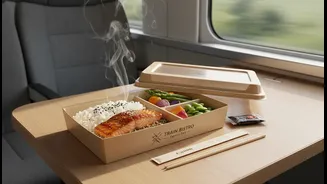
The new era of train food has dramatically expanded the menu. While the classic pantry staples like veg cutlets and omelettes still exist, passengers can now order almost anything. Biryani, both chicken and vegetarian, remains a national favourite on the rails. However, the options are incredibly diverse. Data from this summer shows travellers ordered over four lakh rotis via just one platform. Masala Dosa is a top pick in the south, while burgers are popular among students. Brands like McDonald's, KFC, and Haldiram's are now common choices. This variety extends to regional specialties, allowing you to sample local flavours from cities your train passes through without ever leaving your seat.
Not Always a Smooth Ride
Despite its popularity, the system isn't without its challenges. The biggest hurdle is the unpredictability of train schedules. A significant delay can throw off the entire delivery chain, potentially leading to cold food or a missed delivery. Ensuring consistent food quality and hygiene across thousands of different restaurant partners is another major operational task for the aggregators. And while delivery is meant to be to your seat, logistical issues at crowded stations can sometimes cause confusion. However, platforms are actively working on these problems, using real-time train tracking and better coordination to make the process more reliable.