





What Exactly is Kanji?
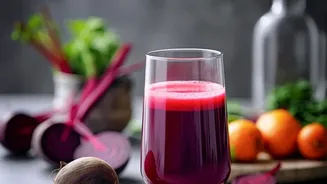
At its heart, Kanji is a traditional fermented beverage originating from North India, particularly popular in Punjab, Uttar Pradesh, and Rajasthan. It's made using a handful of simple, seasonal ingredients: black carrots, water, salt, and coarsely ground
mustard seeds. The carrots are chopped and submerged in water with the spices in a large glass or ceramic jar. This mixture is then left to ferment naturally in the sun for several days. The process transforms the sweet, earthy carrot juice into a sour, pungent, and deeply complex drink with a signature deep purple hue. Traditionally prepared to coincide with the availability of black carrots in winter, it's often associated with the festival of Holi, serving as a refreshing tonic to mark the seasonal shift.
A Taste of Tradition and Health
For generations, Kanji was more than just a drink; it was a household ritual and a form of seasonal medicine. Valued in Ayurveda for its digestive properties, it was a grandmother's remedy for sluggish digestion and a natural immunity booster during the flu-prone winter months. The magic lies in the fermentation. This natural process allows beneficial lactic acid bacteria to thrive, turning Kanji into a potent probiotic powerhouse. These live microbes are excellent for gut health, helping to balance the microbiome, improve nutrient absorption, and reduce issues like bloating and acidity. Black carrots themselves are a nutritional treasure, rich in antioxidants called anthocyanins—the same compounds found in blueberries and blackberries—which are known for their anti-inflammatory properties.
The Modern Wellness Wave
So why is this rustic drink suddenly gaining mainstream attention? The answer lies in a global shift towards wellness and a renewed interest in gut health. In a world where kombucha and kefir have become household names, health-conscious consumers are now looking closer to home for natural, probiotic-rich options. Kanji fits this need perfectly. It is a vegan, gluten-free, and entirely natural beverage that aligns with the modern desire for clean, functional foods. Scientific studies have begun to validate its traditional uses, highlighting its high antioxidant content and potential as a commercial non-dairy probiotic beverage. This convergence of ancient wisdom and modern science has set the stage for its resurgence, transforming it from a forgotten family recipe into a celebrated superfood.
From Kitchens to Cafe Menus
This revival is not just happening in homes but is also being championed by chefs and cafe owners across India. In an effort to celebrate regional ingredients and offer unique, healthy alternatives to sugary sodas, many establishments are adding Kanji to their menus. It is being presented as a 'desi cooler' or a traditional probiotic shot, appealing to patrons eager to reconnect with Indian culinary heritage. Some cafes serve it chilled and straight, letting its tangy flavour shine, while others are experimenting by using it as a souring agent in cocktails or as a base for innovative new drinks. This move from private kitchens to public spaces introduces Kanji to a new generation that may not have encountered it otherwise, reframing it as both a nostalgic comfort and a trendy wellness drink.