



The Deceptive Dangers of Waterlogged Roads
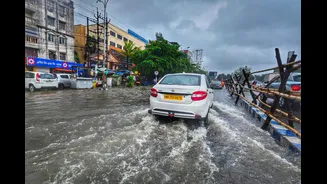
Many drivers dangerously underestimate the power of water. According to safety experts, it takes just six inches of moving water to knock a person off their feet, and a mere foot of it can sweep away a small car. Two feet of rushing water is enough to carry
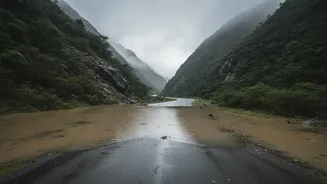
away even larger vehicles like SUVs and pickup trucks. The primary danger lies in the unknown; a stretch of flooded road hides its true condition. The road surface beneath could be eroded, or the water might conceal deep potholes, debris, or even downed power lines. Driving through this water risks severe damage to your vehicle's engine, transmission, and critical electrical systems that control everything from airbags to brakes, potentially leaving you stranded in a perilous situation.
Why Hills Magnify the Monsoon Risk
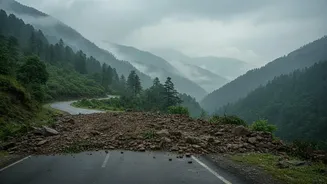
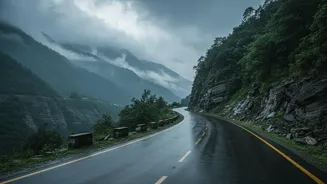
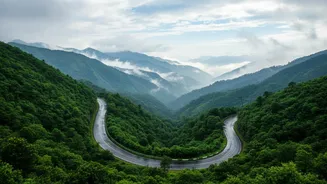
In hilly and mountainous regions, the dangers of monsoon driving are amplified significantly. The combination of steep slopes and intense rainfall creates a perfect recipe for two major threats: flash floods and landslides. Flash floods can turn a gentle stream or a dry gully into a raging torrent in minutes, washing away entire sections of road before a driver has time to react. Landslides are another recurring hazard, with saturated soil and rock giving way without warning. These events are common in the Himalayas and Western Ghats during the monsoon months. Recent years have seen an increase in these incidents, linked to a combination of climate change and rampant, poorly planned construction that destabilises fragile slopes. The result is frequently blocked highways, stranded travellers, and, tragically, loss of life.
The Myth of the 'Capable' Vehicle
There's a common and dangerous belief that a powerful SUV or a four-wheel-drive vehicle can handle any road condition. This overconfidence leads many drivers to take risks they shouldn't. While such vehicles might offer better ground clearance, they are not immune to the laws of physics. As noted, just two feet of water can carry away most SUVs. Furthermore, no amount of horsepower can protect a vehicle from a road that has been completely washed away or buried under tons of rock and mud from a landslide. Relying on your vehicle's perceived capability instead of heeding weather warnings is a gamble. The safest approach is always to avoid the hazard altogether, regardless of what you drive.
Your Daily Lifeline: Monitoring Advisory Feeds
The most critical safety habit a driver can adopt during the monsoon is to stay informed. Before starting any journey, especially one involving hilly terrain, checking live advisories is non-negotiable. Several reliable sources provide real-time updates. The India Meteorological Department's (IMD) official 'Mausam' app offers detailed forecasts, radar imagery, and severe weather alerts for specific locations. Other dependable apps like Skymet Weather also provide forecasts and warnings. Many local traffic police departments are active on social media platforms, providing instant updates on road closures and diversions. Similarly, apps from the National Disaster Management Authority (NDMA) can provide crucial alerts. Taking a few minutes to check these feeds for red or orange alerts, landslide warnings, or flood forecasts can help you make the life-saving decision to delay your trip or choose a safer route.
What to Do If You're Caught Unaware
If you find yourself on the road when conditions worsen, prioritise safety above all. If you encounter a flooded stretch, do not attempt to drive through it; turn around and find an alternative route. If visibility becomes poor due to heavy rain or fog, it's best to pull over to a safe location away from steep slopes and wait for conditions to improve. Be alert for warning signs of an impending landslide, such as falling rocks, cracks appearing on the road, or trees leaning at unusual angles. Should your vehicle stall in rising water, abandon it immediately and move to higher ground. Your life is more valuable than your car. Keeping an emergency kit with water, snacks, a flashlight, and a first-aid kit is also a wise precaution for any monsoon travel.