







A Quantum Leap in Capacity
The most significant upgrade is a massive boost in the system's core capacity, which directly targets the infamous Tatkal booking congestion. The previous system could process around 32,000 ticket bookings per minute, a number easily overwhelmed during
the morning Tatkal rush. The new, upgraded platform is engineered to handle over 1.5 lakh bookings per minute, representing a nearly five-fold improvement. In addition, the system's ability to handle enquiries—such as checking seat availability or PNR status—has been expanded tenfold, from 4 lakh to over 40 lakh enquiries per minute. This backend reinforcement is designed to keep the site responsive even when millions of users log on simultaneously.
Why The Old System Struggled
For years, booking a Tatkal ticket has felt like a lottery. The booking window for AC classes opens at 10 AM and for Non-AC classes at 11 AM, one day before the journey. This creates a massive, concentrated surge in traffic that the old infrastructure simply could not handle. Passengers regularly faced website crashes, slow loading pages, payment gateway failures, and frustrating CAPTCHA loops that would waste precious seconds. In a process where tickets on popular routes sell out in under two minutes, these technical glitches were the primary reason for booking failures, leaving genuine passengers empty-handed. The new upgrade was announced by the Union Railway Minister after students directly raised these concerns.
A Smarter, Cleaner Booking Interface
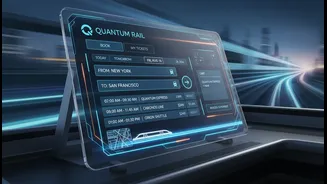
Beyond raw power, the user experience has been redesigned to be faster and more intuitive. The new interface is cleaner, with distracting ads and pop-ups removed. One of the most significant time-saving features is a unified seat availability display. Previously, users had to check different classes like Sleeper, AC 3 Tier, and AC 2 Tier one by one. Now, availability across all classes is shown on a single screen, making it much quicker to find a suitable option. The revamped website also aims to reduce the number of CAPTCHA interruptions that often slowed down the booking flow at critical moments.
New Features for All Passengers
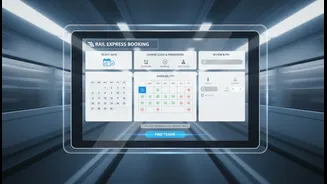
The upgrade, which went live on July 15, 2026, introduces several new passenger-friendly features that have long been standard on airline portals. A new fare calendar allows flexible travellers to compare ticket prices across different dates to find the cheapest options. Passengers will also have the ability to submit their preferred seat choices during the booking process, giving them more control than the previous random allocation. Furthermore, the platform now supports multiple Indian languages and integrates services for Divyangjan, students, and patients, making it more accessible for a wider range of users across the country.
Your New Tatkal Booking Strategy
While the new system is more powerful, the fundamentals of booking a Tatkal ticket quickly still apply. Ensure your passenger details are saved in the Master List feature on your IRCTC profile well in advance. Using this feature saves you from manually typing names and details, which can cost you 10-20 critical seconds. Log in at least five to ten minutes before the Tatkal window opens (10 AM for AC, 11 AM for Non-AC) to avoid login delays. For payments, the IRCTC e-Wallet or a reliable UPI app are generally the fastest options, as net banking can be slower during peak hours. Even with the upgrades, demand for Tatkal tickets will remain high, so being prepared remains your best strategy for success. While a faster platform doesn't create more seats, it does make the process fairer by reducing technical failures.