








A New Era for Tourism
Until recently, Saudi Arabia was a destination primarily for religious pilgrims and business travellers. Now, as part of its Vision 2030 plan, the Kingdom has opened its doors to tourism, and Indian travellers are among the most frequent visitors. With
streamlined e-visas available online and visa-on-arrival options for those holding valid US, UK, or Schengen visas, getting there has never been easier. This tourism boom means new hotels, mega-projects like Neom, and ancient sites like AlUla are now accessible. However, this rapid growth also brings complexities. When you book a trip, you’re not just buying a flight and a hotel room; you’re entering a specific legal and consumer environment which may be very different from what you’re used to.
Who Are You Booking With?
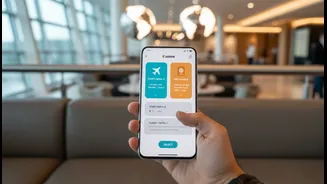
The first link in the accountability chain is your booking agent. Are you booking directly with an airline and hotel, through a major online travel aggregator (OTA), or via a trusted local travel agent in India? Each has different implications. Booking directly means your contract is with the service provider in Saudi Arabia. If a problem arises, you'll need to deal with their customer service directly. Booking with an OTA can provide a layer of support, but their terms and conditions often limit their liability. An experienced Indian travel agent may offer more personalised support and advocacy on your behalf, as they have established relationships and a clearer responsibility to you as their client. In times of crisis, like regional instability leading to flight cancellations, large tour operators are often the ones coordinating alternative arrangements. It's crucial to understand whose name is on the contract and where they are based.
Know Your Rights on the Ground
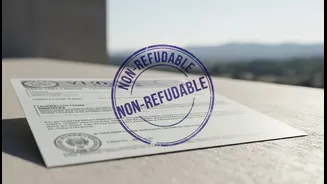
Saudi Arabia has established a framework for tourist rights. The Tourism Law, updated in 2022, outlines protections for visitors. For instance, service providers cannot refuse service without a valid legal reason or impose extra fees beyond what was agreed upon. They must also provide clear information on cancellation policies. The Ministry of Tourism has a “Unified Digital Customer Care Center” to handle inquiries and complaints. However, a right on paper is only as good as its enforcement. Navigating a foreign bureaucracy can be challenging, especially with language barriers. It is always best to keep meticulous records of all bookings, payments, and communications. This documentation is critical whether you're dealing with a hotel manager or filing a formal complaint.
The Non-Negotiable Role of Insurance
Travel insurance is not just a suggestion; it's an essential safety net. While standard policies cover medical emergencies, lost baggage, and flight delays, a trip to any destination requires a closer look at the fine print. Does your policy cover “supplier default” if your hotel or tour company goes out of business? What about “trip interruption” for reasons beyond your control? Given the geopolitical climate of the region, it's also wise to check the policy's clauses on war and civil unrest, as these are often standard exclusions. Some providers offer comprehensive plans that include coverage for trip cancellations and interruptions, providing a financial cushion if your plans are unexpectedly derailed. The cost of robust insurance is a small fraction of your total trip budget and provides invaluable peace of mind.
A Pre-Travel Checklist for Peace of Mind
Being a smart traveller means being prepared. Before you depart, take these simple steps: 1. Read Everything: Go through the terms and conditions of your airline, hotel, and tour operator. Pay attention to cancellation and change policies. 2. Document Your Bookings: Save all confirmation emails, receipts, and contracts as both digital and physical copies. 3. Share Your Itinerary: Leave a copy of your travel plans and contact numbers with family or friends back home. 4. Know Local Norms: Familiarise yourself with Saudi Arabia's Public Decency Laws, which cover dress codes and public behaviour. Respect for local customs will ensure a smoother trip. 5. Save Key Contacts: Keep the phone number and address of the Indian Embassy in Riyadh, your travel insurance provider's 24/7 hotline, and your travel agent readily accessible.