


The Undeniable Power of Comfort
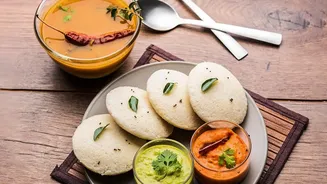
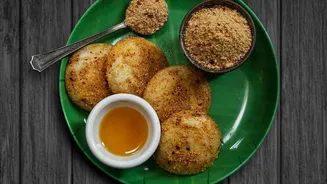
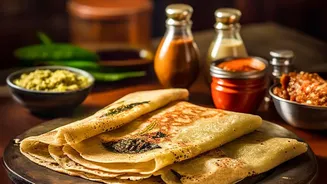
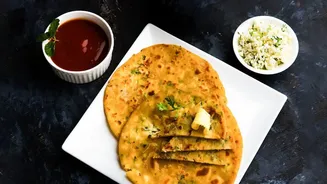
In a world that often feels fast-paced and uncertain, food has become a reliable source of comfort. And no meal is more comforting than the one that starts the day. Traditional breakfasts like soft idlis, crisp dosas, warm poha, and hearty parathas are
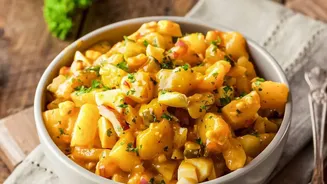
more than just food; they are memories served on a plate. These are the dishes many Indians grew up with, seen in homes, canteens, and at railway stations. Their familiarity is a significant advantage; a plate of upma doesn't need an elaborate explanation or a sales pitch. It connects instantly, offering a sense of stability before a busy day begins. This emotional connection is a powerful driver, making people choose the dependable satisfaction of a known favourite over a fleeting trend.
Nostalgia on the Morning Menu
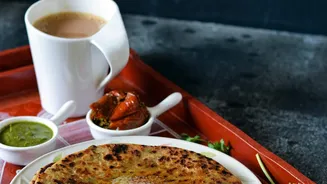
Nostalgia has become a potent ingredient in modern dining. Chefs and restaurateurs are tapping into the collective memory of simpler times, recreating dishes that evoke feelings of home and childhood. Think of the simple joy of a hot paratha with pickle, a taste reminiscent of school tiffin boxes or lazy Sunday mornings. This trend is not just about recreating old recipes; it’s about honouring culinary heritage. By placing traditional breakfast items front and centre, restaurants are celebrating the rich diversity of India's regional cuisines, from the fermented rice bowls of the east to the millet flatbreads of the west. This embrace of the past offers diners an authentic experience that feels both personal and deeply rooted in culture.
A Gentle Backlash to 'Wellness' Fads
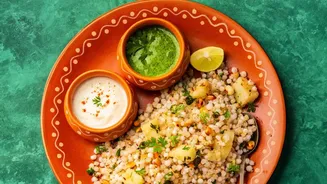
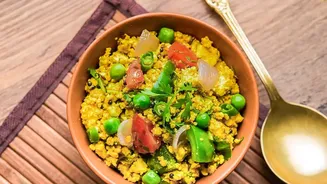
For years, breakfast was the primary battlefield for wellness trends, with a focus on restrictive diets, imported 'superfoods', and complicated preparations. The return to traditional breakfast can be seen as a gentle rebellion against that pressure. Many classic Indian breakfast dishes are inherently healthy without needing to be labelled as such. Idli is steamed, dosa is freshly made, and poha can be loaded with vegetables. These meals are often balanced, providing sustained energy without feeling heavy. Furthermore, there is a growing interest in traditional grains like millets (ragi, jowar, bajra), which are being rediscovered and incorporated into modern breakfast recipes for their nutritional benefits and sustainability. This shift reflects a desire for wholesome, satisfying food that doesn't require adhering to a strict or complicated food ideology.
It Just Makes Good Business Sense
Beyond culture and comfort, the resurgence of traditional breakfast is also practical. These dishes are built on generations of culinary wisdom and are designed for repetition. People may try a fancy breakfast once, but they will return for a perfectly made dosa again and again. For restaurants, this means a loyal customer base. Consistency is key; the idli must always be soft, the chutney fresh, and the sambar balanced. Moreover, many traditional recipes use local, seasonal ingredients, which can be more cost-effective and sustainable for businesses. The rise of ready-to-cook mixes for dishes like poha, upma, and dosa also makes these meals more accessible for busy households, further fueling their popularity and creating new market opportunities.