




The End of the Annual Holiday
For decades, the rhythm of travel in India was predictable: one big trip, often during school holidays, meticulously scheduled and eagerly anticipated. But for India's Gen Z, born between the late 1990s and early 2010s, that model is becoming obsolete.
Recent surveys and reports reveal a decisive pivot towards micro-cations and more frequent, shorter trips. According to a 2026 Airbnb report, a staggering 7 in 10 young Indian travellers now prefer taking three short trips over one long annual holiday. This shift isn't just about frequency; it’s a change in philosophy. Travel is evolving from a rare, planned event into a spontaneous and integrated part of their lifestyle. Data from travel platform Agoda reinforces this, showing that 72% of Indian Gen Z travellers opt for stays lasting between one and seven days, with 84% planning to take between one and six trips per year.
Flexibility, Freedom, and a Full Calendar
What’s driving this change? A major factor is the evolving nature of work. The rise of hybrid models and remote work has untethered young professionals from the physical office, making it easier to blend work and travel. This has given birth to the “workation,” where individuals extend trips by working from scenic locations. A survey by FICCI and Thrillophilia found that a third of travellers now prefer working from natural settings to escape urban burnout. This flexibility allows for a more spontaneous approach. Instead of waiting for approved leave, a long weekend is now enough of an excuse to pack a bag. According to Airbnb, 66% of Gen Z travellers book their trips within just days or weeks of departure, a stark contrast to the months-long planning cycles of previous generations. Travel has become a reflexive response to an open weekend, a friend’s suggestion, or the need for a quick reset.
Value-Driven and Experience-Hungry
While this generation is travelling more, they are also incredibly budget-conscious. They are masters of stretching their money, prioritising value and experience over traditional luxury. Many are willing to swap plush hotels for boutique hostels or unique homestays. In fact, a recent report noted that 63% of Gen Z travellers have chosen a destination specifically because of a unique stay they discovered. The focus has shifted from the destination to the experience itself. Cultural exploration, outdoor activities, and culinary journeys are top motivators. This generation isn't chasing checklists of famous landmarks. Instead, they seek personal and unique journeys, with 95% stating it is important that their trip feels distinct and not pre-packaged. Many actively avoid viral hotspots in search of more authentic, local experiences.
The Social and Solo Shift
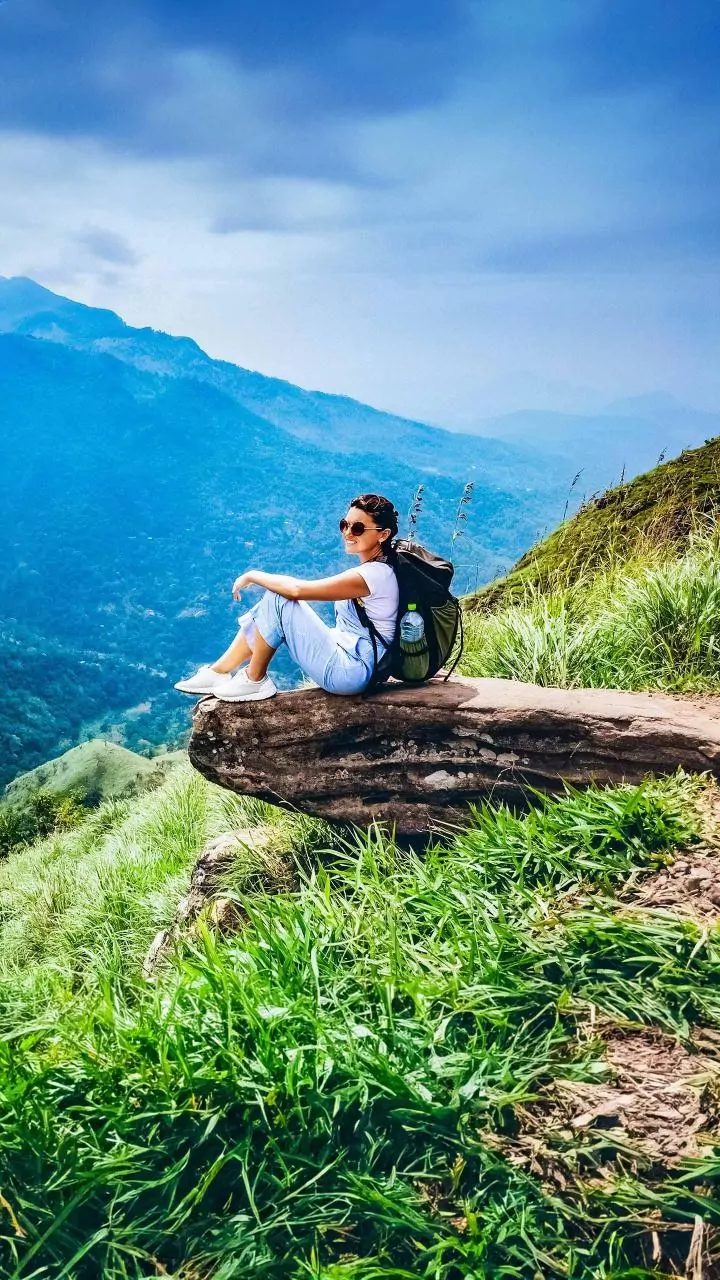
The travel companions of Gen Z are also changing. While family trips still happen, there is a clear move towards travelling with partners (57%) and, increasingly, solo. According to reports, solo travel is gaining significant traction, with a large percentage of Gen Z planning individual trips to relax and recharge. This independence is also reflected in their planning. They are tech-native, using digital platforms and apps to find deals, inspiration, and book their trips. Social media platforms like Instagram and YouTube are major sources of travel inspiration, but not in the way one might expect. Rather than just replicating viral trends, many use these platforms to discover lesser-known places, with 90% saying they are likely to seek out destinations that haven't been widely recommended online. Travel has become a form of self-expression, with 87% agreeing that how they travel reflects who they are as a person.