





The High Cost of Unpredictability
In our fast-paced lives, meal plans can feel more like suggestions than schedules. This uncertainty often leads to a significant amount of food waste, which has a real impact on both our wallets and the environment. In India, household food waste is a considerable
issue, with studies indicating that a large percentage of food purchased is never eaten. When perfectly ripe fruits and vegetables are discarded because our plans changed, we are essentially throwing away money and the resources used to grow and transport that food. Adopting a more flexible approach to grocery shopping isn't just about being thrifty; it's a mindful strategy to combat waste on a personal level.
The Art of Buying for Longevity
The secret is to shift your mindset from buying what's ready-to-eat now to what will be ready when you are. This means intentionally selecting produce at varying stages of ripeness. When buying items that continue to ripen after being picked (known as climacteric fruits), you can control the timeline. For example, instead of buying a bunch of yellow bananas, pick ones that are still green. Grab avocados that are firm to the touch, not soft. Choose tomatoes that are still a little orange or firm, and mangoes that haven't yet developed a strong, sweet scent. This strategy gives you a buffer of several days, ensuring your produce is at its peak when you finally get around to using it, rather than spoiling on the counter.
Your Kitchen, The Ripening Room
Buying under-ripe produce empowers you to become the master of your fruit bowl. The key to ripening is a naturally occurring gas called ethylene. Fruits like bananas, apples, and tomatoes are high ethylene producers. To speed up ripening for items like avocados, pears, or mangoes, simply place them in a paper bag. This traps the ethylene gas and accelerates the process. To speed it up even more, add a ripe banana or apple to the bag. A traditional Indian method for ripening mangoes involves hiding them in a container of uncooked rice, which works on the same principle of trapping ethylene. Check on your produce daily. Once it reaches the desired ripeness, you can move it to the refrigerator to slow the process down and extend its life for a few more days.
Know Which Produce to Buy Ripe
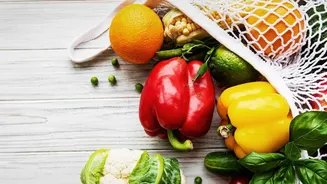
This strategy doesn't apply to everything. Some fruits and vegetables, known as non-climacteric, do not ripen further after being harvested. This category includes berries, grapes, citrus fruits (like oranges and lemons), pineapple, and watermelon. For these items, you should always select the ones that are already ripe, plump, and ready to eat. Buying under-ripe strawberries or grapes will only result in a sour, disappointing experience, as they will not get any sweeter or softer on your countertop. The same goes for most vegetables like cucumbers, bell peppers, and leafy greens; what you see in the store is what you get, so choose the freshest available.
A Smarter, More Flexible Pantry
Applying this logic extends beyond just fruit. While many vegetables should be bought fresh, think about longevity for your whole shop. Pair highly perishable items like leafy greens and fresh herbs, which should be used within a few days, with longer-lasting staples. Root vegetables like carrots, potatoes, and onions, as well as hard squashes, can last for weeks if stored correctly in a cool, dark place. By creating a mix of produce with different shelf lives—some ready now, some in a few days, and some for next week—you build a resilient and adaptable kitchen. This approach allows you to cook spontaneously, accommodate changing plans, and significantly cut down on the frustrating cycle of food waste.