



Why Loving Your Plants Too Much Can Be Lethal
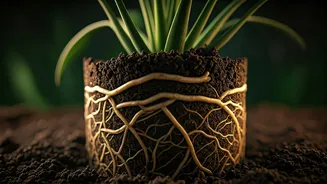
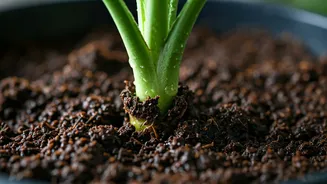
It seems counterintuitive, but overwatering is one of the most common reasons indoor plants perish. The problem lies beneath the soil. Plant roots don't just absorb water; they also need to breathe. Tiny air pockets in the soil provide essential oxygen.
When you water too frequently, these pockets become filled with water, effectively drowning the roots. This oxygen-deprived environment stresses the plant and creates a perfect breeding ground for fungi and bacteria that cause root rot. As the roots decay, they lose their ability to absorb water and nutrients, leading to a plant that paradoxically looks like it's dying of thirst.
Signs You're Overwatering Your Plant
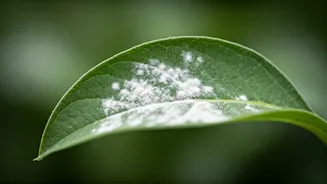
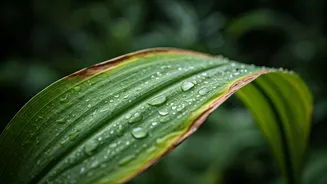
Your plant will give you clues that it's getting too much water. The most common sign is leaves turning yellow, especially the lower ones, and feeling soft or mushy rather than dry and crispy. A plant that is wilting even though the soil is wet is a classic symptom of overwatering, as the damaged roots can no longer hydrate the plant. Other red flags include a stem that feels soft or unstable at the base, the appearance of mould on the soil's surface, or a persistent swarm of tiny fungus gnats, which are attracted to constantly damp conditions. You might also notice that both old and new leaves are dropping from the plant simultaneously.
How to Water the Right Way
Ditching a rigid watering schedule is the first step to success. Instead of watering every Monday, check the soil first. The simplest method is the finger test: stick your finger about two inches into the soil. If it feels dry at that depth, it's time to water. If it's still moist, wait a few more days. For a deeper check, a simple wooden skewer or chopstick works wonders; if it comes out clean and dry, the soil is dry. When you do water, do it thoroughly until water runs out of the drainage holes at the bottom of the pot. This ensures the entire root system gets a drink. Always empty the saucer afterward so the plant isn't sitting in stagnant water.
Your Emergency Rescue Plan for a Drowning Plant
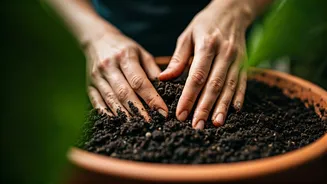
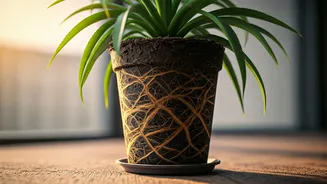
If you suspect you've overwatered, act quickly. First, stop watering immediately. Move the plant to a spot with good air circulation and bright, indirect light to help the soil dry out, but avoid direct sun, which can add more stress. If the soil is completely waterlogged, you may need to repot it. Gently remove the plant from its pot and inspect the roots. Healthy roots are firm and white or light-coloured. If you see any black, brown, or mushy roots, trim them off with clean scissors. Repot the plant into a new pot with fresh, well-draining soil. After repotting, wait a few days before watering lightly to allow the recovering roots to settle in.