





The Unseen Stress of Sound
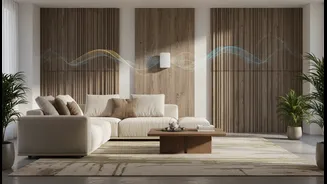
In the quest for a wellness-focused home, we often prioritize visual elements like clean lines, natural light, and calming colour palettes. Yet, an invisible factor can undermine all these efforts: poor acoustics. Constant, low-level noise—from humming
appliances, street traffic, or echoing conversations in an open-plan room—acts as a chronic stressor. Our brains are wired to monitor sounds for signs of danger, even when we're asleep. This ongoing auditory processing can trigger a fight-or-flight response, leading to the release of stress hormones like cortisol. Over time, this can contribute to feelings of anxiety, irritability, and mental fatigue, turning your sanctuary into a source of subconscious tension.
Beyond Annoyance to Health Impact
The effects of noise pollution go far beyond simple annoyance. A large body of evidence links prolonged exposure to unwanted sound with significant health problems. It can disrupt sleep patterns, reducing both the quality and duration of rest, which in turn affects mood, concentration, and cognitive performance the next day. Research has associated chronic noise exposure with serious cardiovascular issues, including hypertension and an increased risk of heart attacks and strokes. For children, a noisy home environment can even impair learning and increase hyperactivity. While a beautifully styled room is pleasing to the eye, a noisy one can actively harm your physical and mental well-being, making acoustics a fundamental, not frivolous, aspect of a healthy home.
Soften Your Surfaces
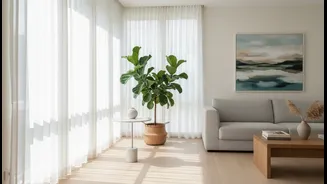
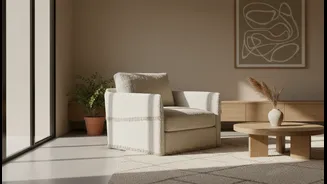
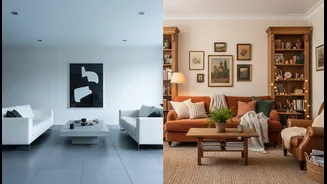
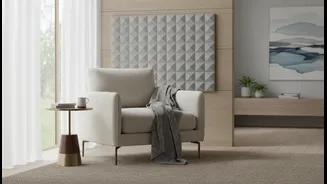
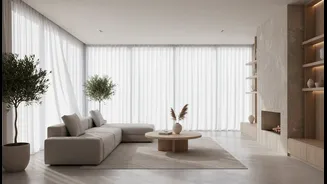
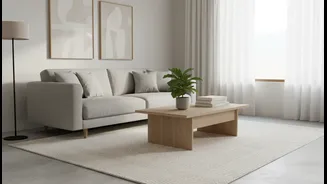
One of the simplest and most effective ways to improve your home's acoustics is by introducing soft, sound-absorbing materials. Modern design often favours hard surfaces like wood floors, large windows, and minimalist furniture, all of which reflect sound waves and create echo and reverberation. To counteract this, think in layers. Large, thick-piled area rugs can dramatically reduce noise bouncing off floors. Heavy curtains or draperies do double duty by blocking outside noise and absorbing interior sounds. Don't forget upholstered furniture; a plush sofa, armchairs, and ottomans act as natural sound absorbers. Even decorative items like throw blankets and pillows contribute to a quieter, calmer atmosphere by breaking up and capturing sound waves.
Get Smart with Furniture and Decor
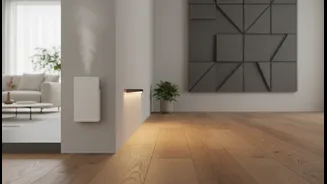
The way you arrange your room can also play a crucial role in sound management. Instead of leaving large, parallel walls bare, use furniture to diffuse sound. A tall, well-stocked bookshelf is one of the best tools for this, as the varied shapes and textures of the books effectively scatter sound waves. Large pieces of art, especially those on canvas or fabric, can also help absorb sound. If you're considering new decor, acoustic wall panels have evolved far beyond the functional grey squares of the past. Many companies now offer beautifully designed decorative panels that double as art, adding both style and serenity to a room. By strategically placing these elements, you can disrupt the path of sound and reduce the harshness of an echoey space.
Seal the Gaps and Consider Doors
Much of the unwanted noise in our homes comes from the outside. To create a truly peaceful interior, inspect your windows and doors for gaps that can let sound leak in. Applying simple weatherstripping or acoustic sealant around window frames and door jambs is a low-cost, high-impact solution. If exterior noise is a major issue, consider installing soundproof curtains, which are made with dense, heavy layers of fabric. For interior noise, such as sound travelling between rooms, the type of door matters. Most modern homes use hollow-core doors, which offer very little sound insulation. Upgrading to solid-core doors, especially for bedrooms and home offices, can make a significant difference in ensuring privacy and quiet.
Introducing Positive Sounds
Improving acoustics isn't just about eliminating bad sounds; it's also about cultivating good ones. This practice, known as 'soundscaping', involves using pleasant sounds to mask distracting noise. A white noise machine can provide a consistent, soothing backdrop that helps obscure traffic or neighbour noise, making it especially useful for sleep. You can also incorporate biophilic sound—the sounds of nature—into your home. Small indoor water features can provide a gentle, calming trickle, while playing recordings of rain or birdsong can help create a restorative atmosphere. By designing the auditory experience with the same care as the visual one, you complete the picture of a truly tranquil home.