





What is a Push Pull Legs Split?
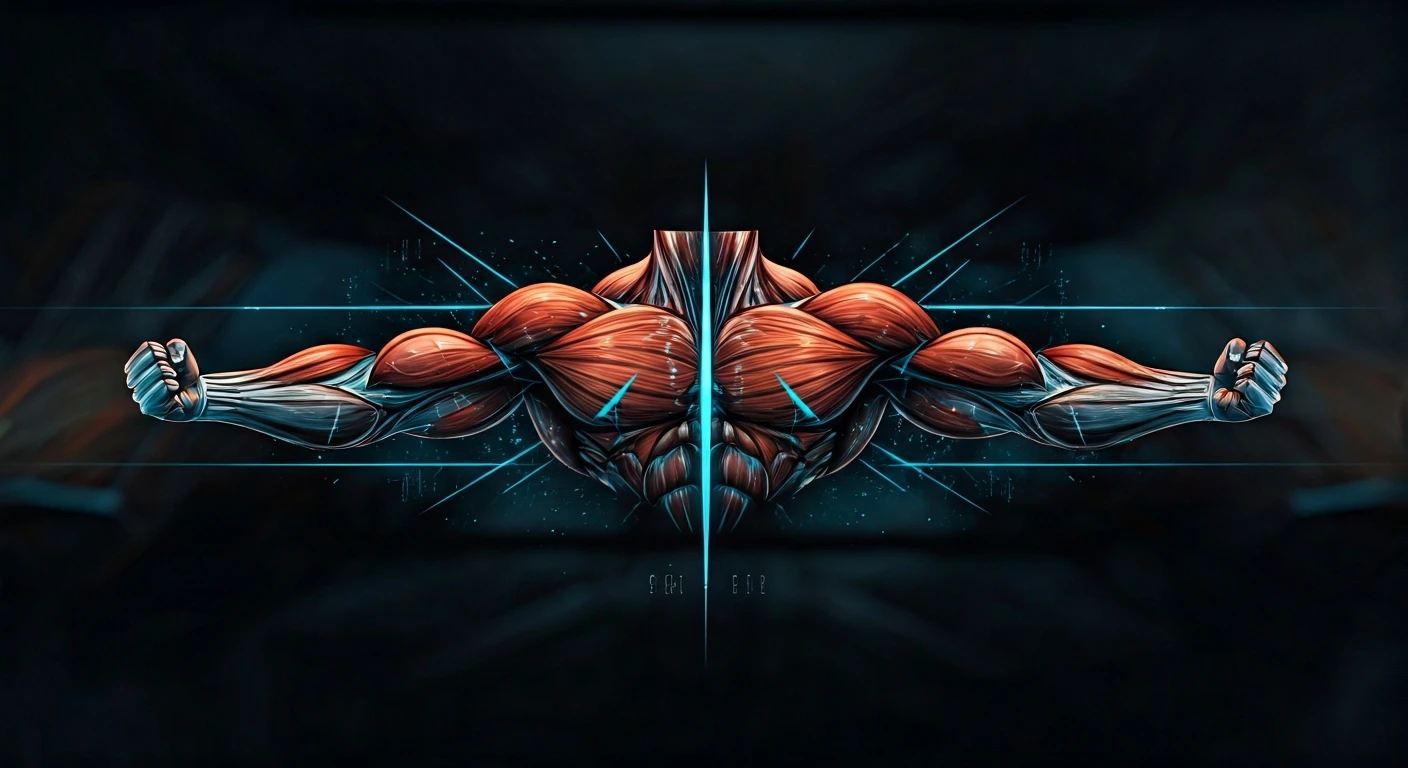
The Push Pull Legs (PPL) split is a popular and time-tested training method that organises your workouts by movement pattern. [10] Instead of focusing on one body part per day (like a "chest day"), you group muscles that naturally work together. [7] A
typical PPL week is structured into three distinct days: a 'Push' day for upper body movements that push weight away from you, a 'Pull' day for movements that pull weight toward you, and a 'Legs' day dedicated to the lower body. [6, 8] This simple structure makes it easy to remember and execute. [2] * **Push Day:** Primarily targets the chest, shoulders, and triceps. Think of exercises like the bench press, overhead press, and triceps pushdowns. [1, 9] * **Pull Day:** Focuses on the back and biceps. This includes movements like pull-ups, rows, and bicep curls. [3, 9] * **Legs Day:** Works the entire lower body, including the quadriceps, hamstrings, glutes, and calves, using exercises like squats and deadlifts. [5, 9]
The Power of Simplicity and Consistency
For new lifters, one of the biggest hurdles is simply staying consistent. Complicated routines with 17 different exercises can lead to confusion and burnout. [2, 7] The PPL split's beauty lies in its simplicity. [14] Knowing that each day has a clear purpose—push, pull, or legs—eliminates the guesswork. [2] This straightforward approach makes it easier to build a sustainable habit. [5] Rather than wondering which muscle to work, you just need to remember which day it is. This clarity helps build momentum, which is crucial in the early stages of a fitness journey. The variety between the three distinct workouts also helps keep things engaging, reducing the risk of boredom that can derail progress. [5]
Optimal Recovery for Better Muscle Growth
Muscle isn't built in the gym; it's built during recovery. The PPL split is incredibly effective because it gives each muscle group ample time to rest and repair. [5, 7] After a 'Push' day, your chest, shoulders, and triceps get to recover while you train your back, biceps, and legs on the following days. [5, 8] This structure ensures there's minimal overlap between workouts, meaning you aren't fatiguing the same muscles on consecutive days. [1, 6] Research shows that hitting a muscle group every 72 hours or so is optimal for growth, and a PPL split naturally facilitates this, especially when training three days a week. [8] This adequate rest minimizes the risk of overtraining and allows you to approach each session with more energy and effort. [6]
Building a Balanced and Functional Foundation
Many beginners fall into the trap of over-training the muscles they can see in the mirror (like the chest and biceps) while neglecting others. The PPL split inherently prevents this by ensuring every major muscle group receives dedicated attention. [5, 7] By training movements rather than just individual muscles, you build a more balanced and functional physique. [4] Compound exercises like squats, bench presses, and rows are the cornerstones of PPL routines, and these movements engage multiple muscle groups at once, promoting overall strength that translates to real-world activities. [3, 9] This balanced approach not only improves aesthetics but also reduces the risk of injuries caused by muscular imbalances.
A Sample Beginner 3-Day PPL Routine
For someone just starting, a 3-day-a-week schedule is a perfect way to ease into lifting without feeling overwhelmed. [9, 14] You can perform these workouts on non-consecutive days (e.g., Monday, Wednesday, Friday) to maximize recovery. [8, 14] The key is to focus on proper form before increasing weight. [2]
* **Day 1: Push (Chest, Shoulders, Triceps)**
* Bench Press: 3 sets of 6-8 reps
* Overhead Press (Dumbbell or Barbell): 3 sets of 8-10 reps
* Incline Dumbbell Press: 3 sets of 10-12 reps
* Tricep Pushdowns: 3 sets of 10-12 reps [10]
* **Day 2: Pull (Back, Biceps)**
* Barbell Rows or Dumbbell Rows: 3 sets of 6-8 reps
* Lat Pulldowns (or Pull-ups if possible): 3 sets of 8-10 reps
* Seated Cable Rows: 3 sets of 10-12 reps
* Bicep Curls: 3 sets of 10-12 reps [6]
* **Day 3: Legs (Quads, Hamstrings, Glutes, Calves)**
* Barbell Squats: 3 sets of 6-8 reps
* Romanian Deadlifts: 3 sets of 8-10 reps
* Leg Press: 3 sets of 10-12 reps
* Calf Raises: 3 sets of 12-15 reps [10]