




More Than Just a Condiment
In Indian cuisine, a meal is often considered incomplete without a small serving of pickle, or achar. This isn’t just for taste; pickles are functional foods designed to complete the nutritional and sensory profile of a plate. Traditionally, they provide
a sharp, tangy, or spicy counterpoint to milder staples like dal, rice, and sabzi. This practice dates back centuries, initially as a method to preserve seasonal produce for year-round consumption. Over time, it evolved into a culinary art form where a tiny spoonful could elevate a simple meal into a more satisfying and flavourful experience, stimulating the appetite and adding variety.
The Science of Fermentation
Many traditional Indian pickles are not just preserved in oil and spices; they are fermented. This process, known as lacto-fermentation, is key to their health benefits. By preserving vegetables and fruits in a salt brine, beneficial bacteria like Lactobacillus are encouraged to grow. These microbes break down natural sugars in the ingredients, creating lactic acid. This not only preserves the food but also transforms it into a powerhouse of probiotics—the good bacteria essential for gut health. A healthy gut microbiome is linked to improved digestion, better nutrient absorption, and a stronger immune system.
A Boost of Vitamins and Antioxidants
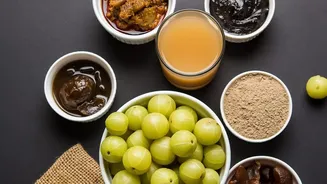
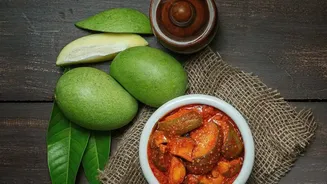
The pickling process does a remarkable job of preserving many of the nutrients found in the original fruits and vegetables. For instance, amla (gooseberry) and lemon pickles are excellent sources of Vitamin C, while mango pickles can be rich in Vitamin A. The spices used are also nutritional heroes. Turmeric, a common ingredient, is known for its potent anti-inflammatory compound, curcumin. Fenugreek seeds can aid digestion and help regulate blood sugar, while mustard seeds are packed with antioxidants. These spices work together to protect the body from cellular damage caused by free radicals.
Balancing the Plate and Palate
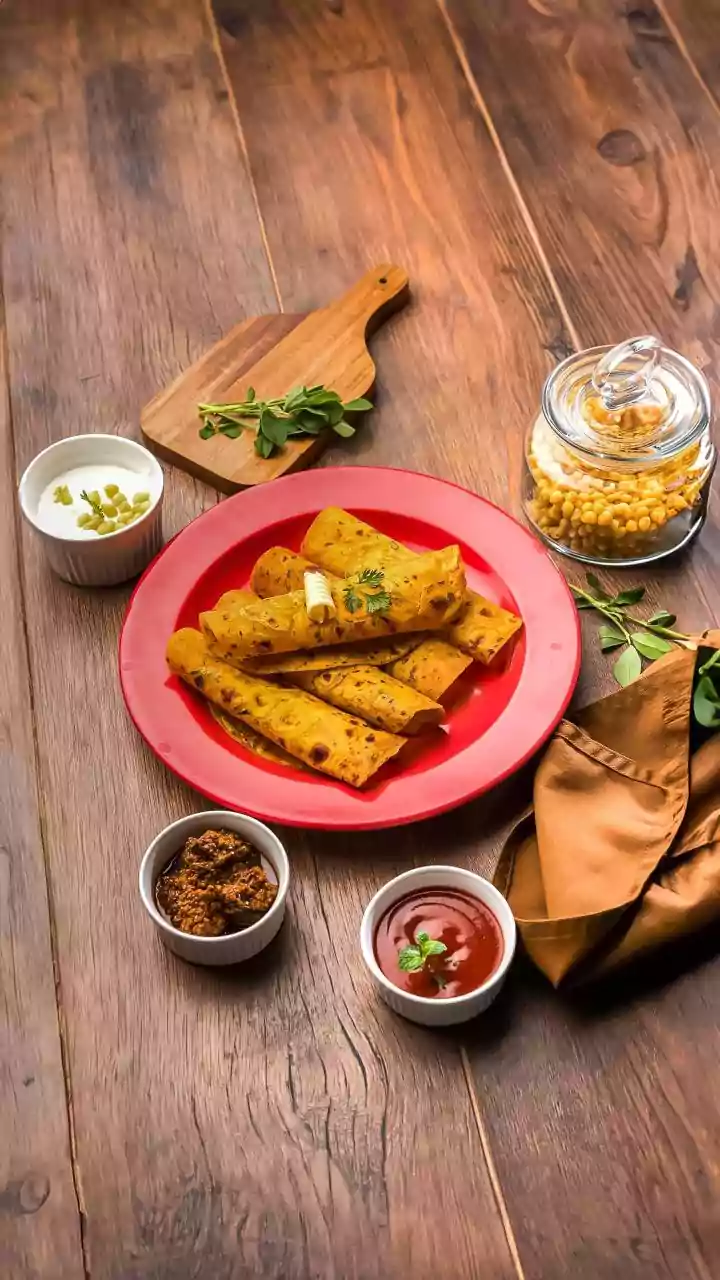
A balanced Indian thali is a masterclass in flavour dynamics, and pickles play a crucial role. The six essential tastes in Ayurveda—sweet, sour, salty, bitter, pungent, and astringent—are all necessary for a complete meal. Pickles often provide the sour, salty, and pungent notes that might be missing from the main dishes. This complexity makes a simple meal more engaging and satisfying, which can help prevent overeating. The tangy flavour of pickles also stimulates the production of digestive enzymes, preparing your system to better process the meal. In this way, achar helps balance not just the flavours on your plate but also your body's digestive response.
Making Smart, Healthy Choices
While traditional pickles offer numerous benefits, it's important to be mindful of their high sodium and oil content. Salt is a crucial preservative, but excessive intake can be a concern, especially for individuals with high blood pressure. Similarly, the oil used in many recipes, while also a preservative, adds to the calorie count. The key is moderation. A small spoonful is all that's needed to reap the benefits without the drawbacks. When possible, opt for homemade or traditionally fermented pickles, which often use natural preservation methods like sun-drying and fermentation, and avoid those with added chemical preservatives or excessive oil.