







The Economics of a Night Out
The single biggest factor reshaping cinema habits is cost. A trip to the multiplex for a family of four is no longer a casual outing but a significant expense. Ticket prices, especially for premium formats like IMAX or 3D in major cities, can be steep.
For big releases, prices can climb even higher during the opening weekend. Add to that the notoriously high cost of snacks and drinks — where a tub of popcorn and a beverage can cost as much as an annual subscription to a streaming service — and the financial barrier becomes clear. When compared to the value offered by OTT platforms, where a monthly fee unlocks a vast library of content, the maths forces audiences to be highly selective. The question is no longer just 'Do I want to see this movie?' but 'Is this movie worth the premium cost of the theatre experience?'
The Undeniable Comfort of the Couch
Beyond the price, streaming platforms offer a level of convenience and comfort that multiplexes cannot match. The ability to watch a film at any time, pause for breaks, control the volume, and enjoy it in the privacy of one's home has fundamentally altered audience expectations. For many, especially younger viewers, this flexibility has made home viewing the default option for most films. Surveys indicate a dramatic shift, with a significant majority of urban Indians stating they prefer streaming at home and visit cinemas less often. This has created a high bar for theatrical releases; a film must now offer something so compelling and unique that it can lure viewers away from the convenience of their living rooms. This convenience factor is a powerful force, making the cinema outing an 'event' rather than a regular habit.
What Multiplexes Still Do Best
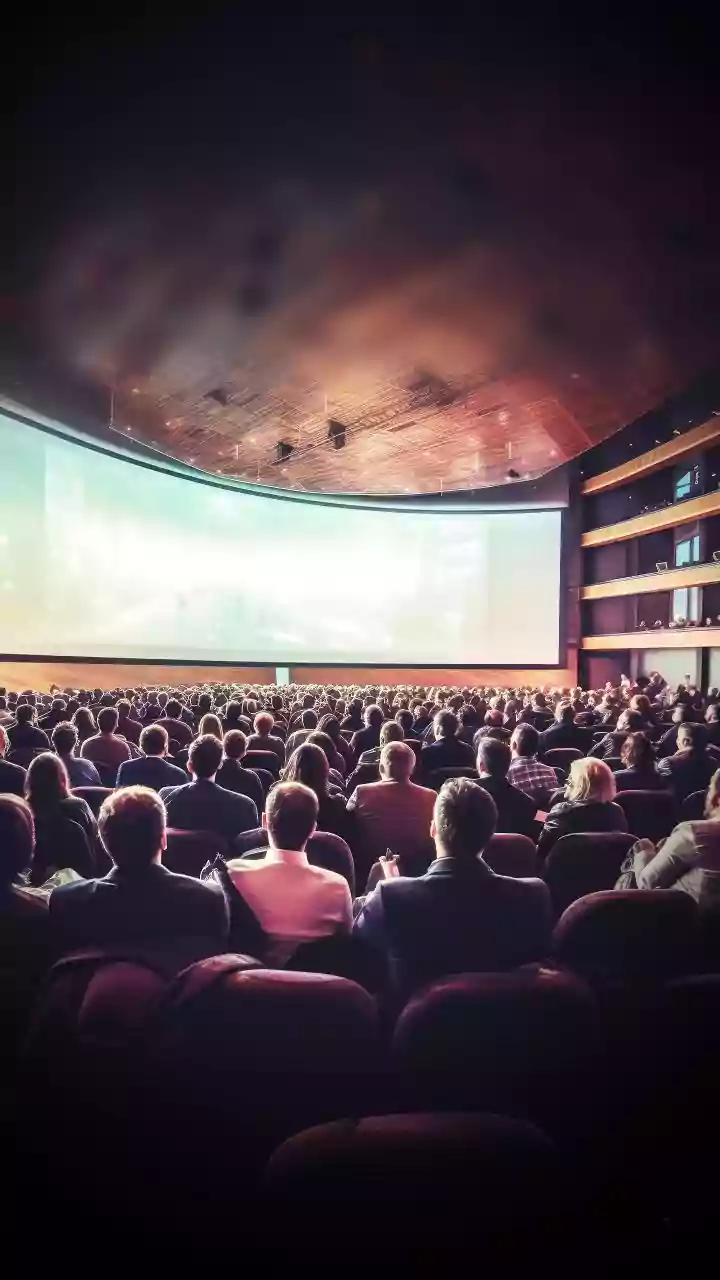
Faced with the twin challenges of cost and convenience, cinemas have leaned into their unique selling proposition: the immersive experience. The true power of the multiplex lies in its ability to deliver a spectacle that home viewing cannot replicate. Giant screens, booming surround sound systems, and the collective energy of a reacting audience are assets that define the theatrical experience. This is precisely why big-budget action films, epic fantasies, and visually stunning sci-fi adventures continue to draw large crowds. These are films designed and marketed as 'event cinema'—experiences that demand to be seen on the biggest screen possible. In this new landscape, the multiplex is not just a place to watch a film; it is a venue for a specific kind of sensory-heavy entertainment that justifies the cost and effort.
Hollywood and Bollywood's Billion-Rupee Bet
Film studios have both responded to and reinforced this trend. Seeing that audiences are willing to pay a premium for spectacle, major production houses are pouring enormous budgets into creating franchises, cinematic universes, and action-packed blockbusters. These films are engineered from the ground up to be theatrical events, often featuring extensive special effects and grand set pieces that lose their impact on a smaller screen. The success of films like 'RRR' and 'Baahubali' underscores the audience's appetite for grand, culturally rooted stories that feel like national events. This focus on mega-productions, however, comes at a cost. The 'middle-ground' movie — the well-made drama, the romantic comedy, the family film — often struggles to find theatrical distribution, with many now premiering directly on streaming platforms.
The Shrinking Middle-Ground
The consequence of this blockbuster-focused strategy is the erosion of the mid-budget film's presence in cinemas. These were once the bread and butter of the multiplex, offering a reliable and affordable night out. Today, with studios prioritising tentpole releases and audiences saving their cinema budget for those big events, mid-tier films face a difficult path. The risk for producers is high; if a film isn't a guaranteed spectacle, it's often seen as a safer bet to sell it directly to a streaming service. This creates a self-fulfilling prophecy: audiences only go to theatres for spectacles because, increasingly, spectacles are the only films getting a major theatrical push. This leaves a void in the market for diverse, story-driven films on the big screen, further cementing the multiplex's role as a blockbuster-only venue.