



Embrace Multi-Functional Furniture
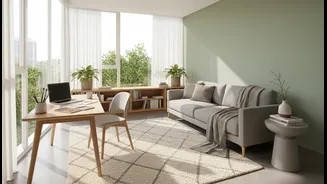
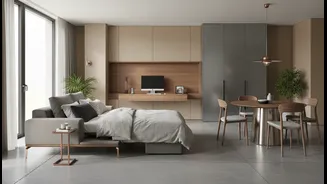
The fastest way to create a functional flex space is to choose furniture that does more than one job. In urban apartments where every square foot matters, this is a game-changer. A stylish sofa-cum-bed can transform a living room into a guest room in seconds.
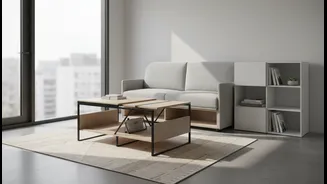
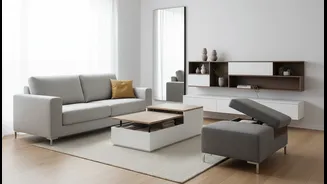
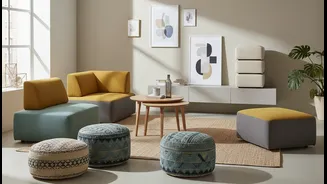
Look for models with built-in storage underneath the chaise for stashing away bedding and pillows. Similarly, a set of nesting coffee tables offers flexible surface area when you have guests but can be stacked away to reclaim floor space. Storage ottomans are another hero piece, providing extra seating, a footrest, and a secret spot for remotes, magazines, or children's toys.
Think Vertically to Maximise Space
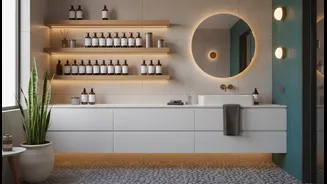
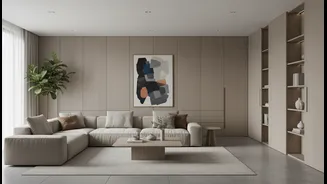
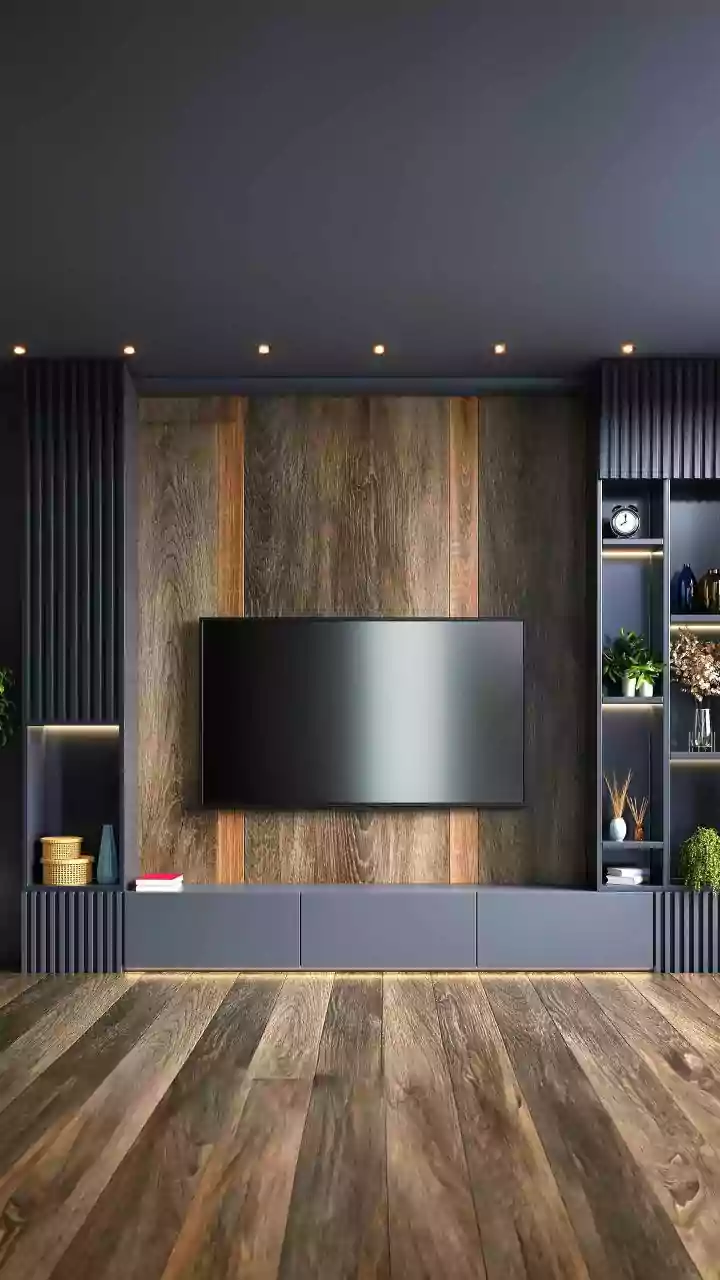
When you can't build outwards, build upwards. Vertical storage is a secret weapon in the fight against clutter, drawing the eye up and making a room feel taller. Floor-to-ceiling bookshelves or custom built-in units can create a stunning feature wall while offering immense storage capacity for books, files, and decor. Don't overlook the power of floating shelves; they provide display and storage space without the visual bulk of traditional furniture. In the kitchen, using wall-mounted racks or under-shelf baskets can free up precious counter space.
The Art of Hidden-in-Plain-Sight Storage
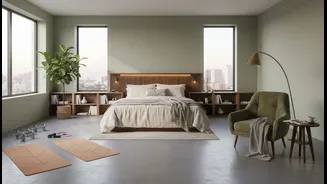
The best storage solutions are often the ones you don't see. Integrating storage into your home's architecture and furniture keeps your space feeling open and minimalist. Beds with built-in drawers underneath are perfect for storing extra linens or off-season clothing. A built-in window seat can provide a cosy reading nook with a flip-top lid that reveals a spacious storage chest. Even the often-ignored space under a staircase can be converted into clever pull-out drawers or a small home office nook.
Mastering Concealment with Japandi Style
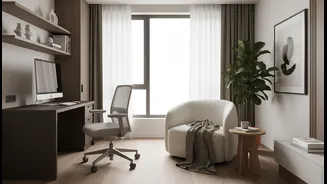
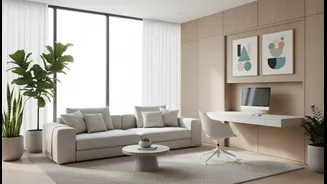
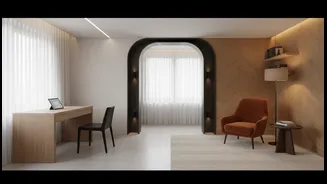
The design philosophy of Japandi, a mix of Japanese minimalism and Scandinavian warmth, is perfect for creating a calm, uncluttered flex space. This style excels at 'hidden storage'—cabinets and showcases with handle-less, flush doors that blend seamlessly into the wall. You see a clean, warm wood wall, but behind it lies organised shelving. Use sliding screens or even simple curtains to partition a space or hide a work-from-home desk at the end of the day, allowing the room to transition from 'office' to 'home' effortlessly.
Define Zones Without Building Walls
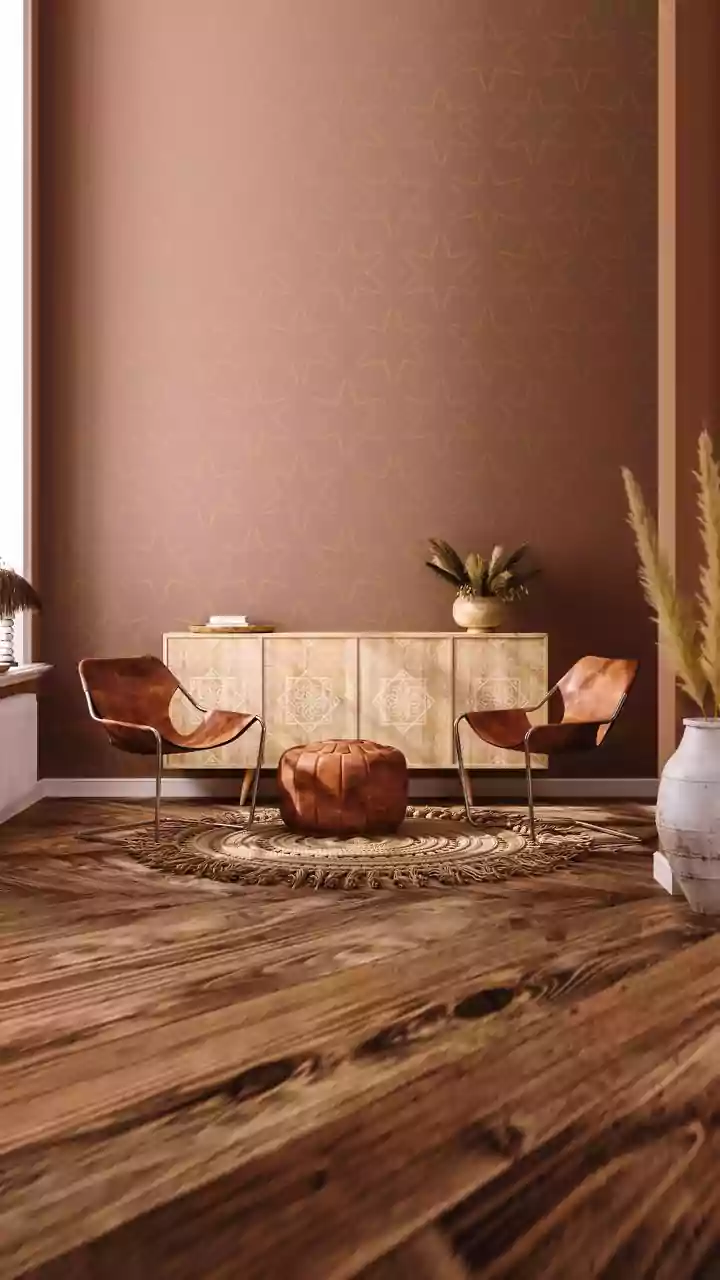
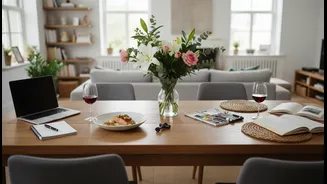
In an open flex space, creating distinct zones is essential for it to feel organised and purposeful. You don't need walls to do this. A large rug can anchor a living area, visually separating it from a dining space. Furniture placement is also key; the back of a sofa can create a soft boundary for a conversation zone. You can also use lighting to define different areas—a statement pendant light over a dining table or focused task lighting for a workspace can create functional and atmospheric zones within one open room.