





Why 'Seasonal and Local' is a Smarter Choice
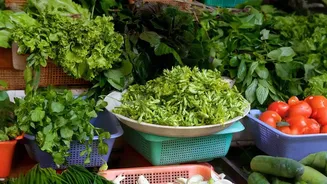
Opting for seasonal vegetables is a simple strategy with major benefits. When produce is in season, it is at its peak supply, which often makes it more affordable. Beyond cost savings, the flavour and nutritional value are significantly higher. Vegetables
that are picked at their peak ripeness are packed with taste and retain more of their natural vitamins and minerals compared to produce that travels long distances. This is because out-of-season items are often harvested early and artificially ripened, which can diminish their taste and nutritional content. Embracing a seasonal diet also introduces a natural variety to your meals, ensuring you get a wider range of nutrients throughout the year.
Monsoon Marvels (June - September)
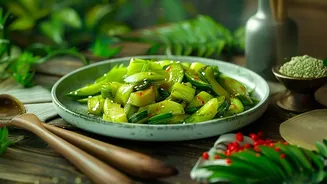
The monsoon season in India brings a bounty of vegetables that thrive in the humid and wet conditions. This is the perfect time to incorporate gourds of all kinds into your tiffin. Bottle gourd (lauki), ridge gourd (turai), and bitter gourd (karela) are abundant. They can be turned into simple and delicious dry sabzis that pair perfectly with rotis. Okra (bhindi) is another monsoon favourite that shines in a quick stir-fry. Leafy greens like spinach (palak) also grow well and can be used to make nutritious parathas or added to dal. These vegetables are not only suited to the climate but also offer a light yet satisfying midday meal.
Winter Warmers (October - February)
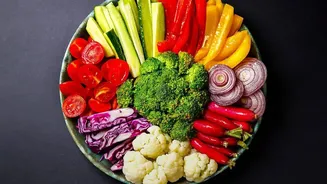
Winter brings a colourful and hearty array of vegetables to local markets across India. This is the season for root vegetables like carrots (gajar), radishes (mooli), and beetroot (chukandar). These are perfect for making vibrant salads, wholesome sabzis, or the classic gajar ka halwa as a special treat. Cruciferous vegetables like cauliflower (gobi) and cabbage are at their best, ideal for dishes like gobi matar or stuffed parathas. Leafy greens such as fenugreek (methi) and mustard greens (sarson) are winter specialities, excellent for making flavourful theplas or the iconic sarson ka saag. These vegetables are packed with nutrients that can help boost immunity during the colder months.
Summer Staples (March - May)
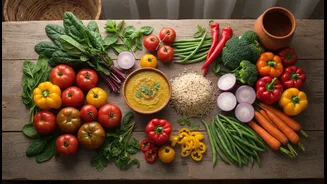
As temperatures rise, the available produce shifts to vegetables with high water content, perfect for staying hydrated. Cucumber is a summer essential, ideal for cooling salads and raitas. Tomatoes, another summer staple, form the base of countless curries and rice dishes. Vegetables like brinjal (eggplant) and pumpkin (kaddu) also thrive in the summer heat. They can be prepared in a variety of ways, from a simple brinjal bharta to a light pumpkin curry. For a quick and easy lunchbox option, a stir-fry with beans and bell peppers (Shimla mirch) is both colourful and delicious.
Prep-Ahead Tips for Easy Mornings
The key to a stress-free morning is preparation. Over the weekend, you can wash and chop hard vegetables like carrots, beans, and bell peppers and store them in airtight containers in the fridge. For leafy greens like spinach or methi, wash and dry them thoroughly before storing. You can also prepare the base for your dishes ahead of time. For example, a basic onion-tomato masala can be made in a batch and refrigerated. For dishes like stuffed parathas, the filling can be prepared the night before. These small steps in planning can save a significant amount of time, making it much easier to assemble a fresh, homemade lunch even on the busiest of mornings.