





Go Beyond the Basic Forecast
A simple rain icon on a weather app doesn't tell the whole story. Before booking, look for more detailed forecasts that specify the intensity and duration of rainfall. A light drizzle that greens the landscape is very different from a multi-day downpour
that can cause disruptions. Use reliable sources that provide information on expected rainfall in millimetres. This helps you gauge whether you're facing a pleasant shower or a potential deluge. Also, check the forecast not just for your destination but for the entire route, especially if you are planning a road trip through ghats or coastal areas.
Decode Official Weather Alerts
The India Meteorological Department (IMD) uses a colour-coded system to issue warnings, which is crucial for any traveller to understand. A 'Green' alert means all is well. A 'Yellow' alert advises you to 'Be Aware', suggesting weather could change and cause minor disruptions. An 'Orange' alert means 'Be Prepared' for potentially significant disruptions like waterlogging and travel delays due to heavy to very heavy rain. The most serious is a 'Red' alert, which means 'Take Action' and avoid travel if possible, as extremely severe weather poses a threat to safety and can cause major flooding and transport chaos. You can access these alerts via the official 'Mausam' app.
Assess Region-Specific Risks
The monsoon doesn't affect all of India uniformly. Some regions are more vulnerable to specific risks. Hilly areas in the Himalayas and the Western Ghats, for example, are prone to landslides during heavy rains. Coastal areas may face flooding, and cities can experience severe waterlogging that brings traffic to a standstill. Before finalising your destination, research its specific monsoon risks. Destinations in rain shadow regions, like Ladakh or parts of Rajasthan, experience much less rainfall and can be safer bets during peak monsoon months. Choosing your destination wisely is the first step to a safe trip.
Check Transportation Feasibility
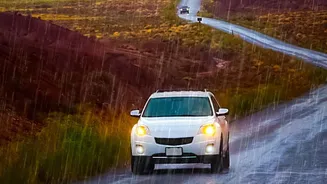
Heavy rains can wreak havoc on travel plans. Flights might be delayed or cancelled, train tracks can get flooded, and roads may become impassable. Road travel requires the most caution. Slippery conditions, poor visibility, and the risk of landslides or flash floods make driving hazardous. Always check the condition of highways and local roads before you start your journey. Avoid driving at night during heavy rain and never attempt to cross a flooded road if you cannot gauge the water's depth. If possible, hiring a local driver who is experienced with monsoon conditions can be a much safer alternative.
Talk to People on the Ground
While forecasts and apps are essential, nothing beats local knowledge. A day or two before your trip, call your hotel or homestay. Ask them about the current weather, the condition of the approach roads, and if local life is proceeding as normal. Local taxi drivers, shopkeepers, and tourism operators can also provide invaluable, real-time insights that you won't find online. They will know which roads are prone to flooding or which tourist spots become inaccessible after a heavy downpour. This local intelligence can help you make last-minute adjustments to your itinerary and avoid getting stranded.
Prepare a Monsoon-Ready Kit
A successful weather check leads to smart preparation. Your packing should reflect the conditions you expect. Essential items include a reliable raincoat or poncho, waterproof footwear with good grip, and a waterproof bag or cover for your electronics and documents. Pack quick-drying synthetic clothes, as cotton can take a long time to dry in the humid weather. It's also wise to carry a basic first-aid kit with medicines for common monsoon ailments, a powerful flashlight, and a power bank, as power cuts can be more frequent during heavy rains.