





Why Rishikesh Is Calling
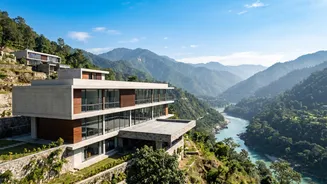
Long known as the 'Yoga Capital of the World', Rishikesh has quietly transformed into a top destination for digital nomads. The appeal is simple: it offers a rare chance to escape the frantic pace of city life without sacrificing your career. Nestled
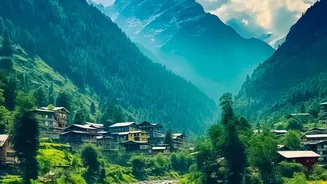
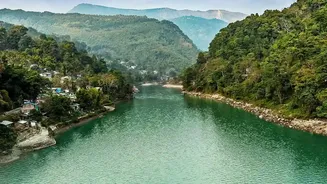
in the Himalayan foothills, the town provides a backdrop of stunning natural beauty, from the emerald Ganga to lush, green hillsides. This environment isn't just for show; the clean air and tranquil atmosphere can significantly boost mental clarity and focus. Instead of office corridors, your breaks are filled with walks along the river, and the workday ends with a chance to witness the serene Ganga Aarti. It’s a holistic lifestyle upgrade where wellness and work don’t just coexist—they enrich each other.
Finding Your Riverside Co-Living Hub
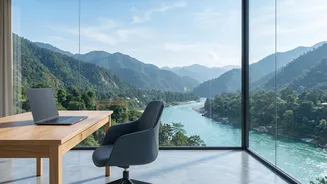
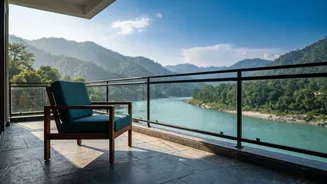
The key to a successful workation here is finding the right base. Co-living spaces have flourished, evolving from basic hostels to full-fledged hubs designed for remote professionals. These modern accommodations combine private rooms with shared amenities like communal kitchens, lounges, and, most importantly, dedicated workspaces. Look for hubs in areas like Tapovan, which is known for its quieter, nature-focused environment and concentration of wellness cafes and yoga studios. Many offer stunning rooftop terraces with river views, allowing you to work powered by fresh air and inspiration. When choosing, prioritise places that advertise a community vibe; connecting with fellow travellers and professionals is one of the most rewarding aspects of this lifestyle.
The Digital Nomad's Tech Checklist
The number one question for any remote worker is: what about the internet? The good news is that connectivity in Rishikesh has improved dramatically. Many premier co-living hostels and cafes are equipped with high-speed fiber-optic connections from providers like JioFiber and Airtel Xstream, offering speeds from 100 to 300 Mbps, which is more than enough for video calls and heavy workloads. However, it's wise to be prepared. Speeds can fluctuate, so a personal mobile hotspot is a recommended backup. Experienced nomads often carry SIM cards from two different providers to ensure they’re never offline. Also, ask about power backup. The best co-living spaces have generators to ensure that the occasional power cut doesn’t disrupt your productivity.
Life Beyond the Laptop
The true magic of working from Rishikesh unfolds after you close your laptop. The town is a playground for wellness and adventure. You can seamlessly integrate yoga and meditation into your daily routine, with countless studios and ashrams offering drop-in classes. Many retreats even offer flexible schedules designed for working professionals. Weekends are for exploring. You can go trekking to nearby waterfalls, experience the thrill of white-water rafting on the Ganges, or simply spend hours in a riverside cafe with a book. The social scene is low-key and centred around wellness and connection, offering a refreshing alternative to typical city nightlife. This balance is what prevents burnout and makes a workation here a genuinely restorative experience.
Budgeting Your Himalayan Work-Retreat
One of Rishikesh's major draws is its affordability. A month-long stay can be surprisingly cost-effective. A dorm bed in a well-equipped co-living hostel might cost between ₹12,000 and ₹16,000 per month, while a private room could range from ₹22,000 to ₹35,000. Food is also inexpensive; you can budget around ₹10,000 to ₹16,000 for a month of eating at a mix of local eateries and cafes. Add in costs for scooter rental, yoga classes, and weekend activities, and a comfortable, active lifestyle could cost between ₹28,500 and ₹51,000 per month. This makes Rishikesh significantly cheaper than a month of living and working in major metropolitan cities like Bangalore or Mumbai.