








Why Vietnam, Why Now?
The post-pandemic travel boom has a surprising new epicenter for the cap-and-gown crowd: Vietnam. While a European tour has long been the default graduation gift, a confluence of factors is driving a significant surge in travel to this vibrant Southeast
Asian nation. First and foremost is affordability. For graduates staring down student loans, the value proposition is undeniable. A dollar stretches remarkably far, allowing for a longer, more immersive trip than a few expensive weeks in Paris or Rome. A delicious Banh Mi sandwich can cost less than a cup of coffee back home, and a comfortable hostel bed is often under $20. Beyond the budget, Vietnam offers an intoxicating blend of adventure and authenticity. It feels less trodden than the well-worn paths of Western Europe, giving travelers a sense of genuine discovery. The country's favorable visa policies, renewed post-COVID, have also made access easier for U.S. travelers, creating a perfect storm for a grad trip phenomenon.
The Ultimate Island Itinerary
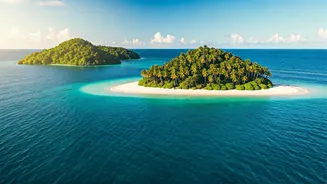
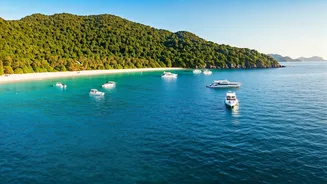
When graduates talk about 'island hopping in Vietnam,' they’re often referring to a few key hotspots. The undisputed star is Phu Quoc, the country's largest island, located in the Gulf of Thailand. Known for its white-sand beaches, luxury resorts, and a surprisingly bustling nightlife, it’s an easy entry point with its own international airport. For those seeking a more rugged and historically rich experience, the Con Dao archipelago is the destination. Once a brutal prison island, it's now a protected national park with some of the best diving in the country and pristine, empty beaches. Up north, the iconic limestone karsts of Ha Long Bay offer a different kind of island hopping. While not a traditional 'beach' destination, cruising through the thousands of jungle-topped islets on a traditional 'junk boat' is a quintessential Vietnamese experience. Many itineraries combine a Ha Long Bay cruise with a trip to the nearby Cat Ba Island for hiking and rock climbing.
What a Grad Trip Budget Looks Like
So, what does this adventure actually cost? The biggest expense is the round-trip flight from the U.S., which can range from $1,000 to $1,800 depending on the season and how far in advance you book. Once you land, however, your daily costs plummet. A backpacker-style trip, staying in hostels and eating street food, can comfortably be done for $30-$40 per day. Even a more 'flashpacker' budget, which includes private rooms in guesthouses, occasional domestic flights between regions, and a few guided tours, can stay well under $75 per day. A three-week trip could realistically be achieved for around $2,500-$3,000 including flights—a fraction of the cost of a comparable trip in Europe. Activities like a two-night Ha Long Bay cruise might cost around $150, while a full day of snorkeling or diving in Phu Quoc could be around $50, offering high-value experiences that don't break the bank.
More Than Just Beaches
The allure of Vietnam extends far beyond its coastlines. A successful trip weaves the islands into a larger national tapestry. Most travelers fly into the pulsing, motorbike-choked streets of Ho Chi Minh City in the south or the more stately, historical capital of Hanoi in the north. These cities serve as cultural and culinary gateways. No trip is complete without slurping down a steaming bowl of pho from a street vendor, exploring ancient temples, or delving into the country's complex history at museums like the War Remnants Museum in Ho Chi Minh City. The ease of domestic travel—via affordable overnight trains, buses, and a robust network of budget airlines like VietJet Air—makes it simple to connect the urban frenzy of Hanoi with the lantern-lit charm of Hoi An and the island paradises of the south.