






The Fiery Gulmohar
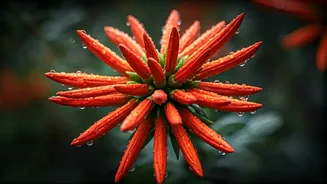
Known as the 'Flame of the Forest', the Gulmohar (Delonix regia) is impossible to miss. Though it starts blooming in the peak of summer, its vibrant scarlet and orange canopy becomes even more dramatic against the grey monsoon sky. The rain-washed petals
carpet the streets below, creating a stunning, fiery spectacle. These large, flamboyant trees line avenues in cities like Delhi, Pune, and Bengaluru, turning an ordinary commute into a breathtaking journey. Its beauty is so iconic that it has inspired countless poems and songs, cementing its place as a symbol of the Indian summer transitioning into the rainy season.
The Golden Shower Tree
The Amaltas (Cassia fistula) is another showstopper. Its long, drooping clusters of brilliant yellow flowers earn it the name 'Golden Shower Tree'. When in full bloom, the tree is a cascade of gold, looking almost unreal against the dark, moisture-laden clouds. The flowers fall gently, creating a yellow carpet that feels like walking through a dream. Native to the Indian subcontinent, the Amaltas is cherished not just for its beauty but also for its mention in ancient Ayurvedic texts for its medicinal properties. It is the state flower of Kerala and a common sight across the northern plains, offering a cheerful burst of colour when the skies are overcast.
The Delicate Rain Lily
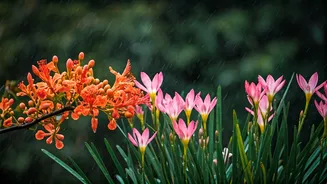
These are the true heralds of the monsoon. After the first heavy shower, Rain Lilies (Zephyranthes) seem to appear out of nowhere, dotting gardens and grassy patches with their delicate pink, white, or yellow star-shaped flowers. Their sudden appearance is a magical sight, a direct response to the life-giving rain. They are small, unassuming, and have a fleeting lifespan, often lasting only a few days. This ephemeral nature makes them all the more special. Spotting the first Rain Lily of the season is a simple joy that signals the definitive arrival of the monsoon, reminding us that beauty often comes in small, unexpected packages.
The Ever-Present Hibiscus
While the Hibiscus blooms for much of the year, it seems to find a new lease of life during the monsoon. The cooler temperatures and abundant water make its colours—deep reds, sunny yellows, and soft pinks—pop with an intensity that is unmatched. The large, trumpet-shaped flowers, with their prominent stamens, look particularly fresh and glossy with droplets of rain clinging to their petals. A staple in Indian gardens and often used as a religious offering, the monsoon hibiscus is a symbol of everyday beauty, thriving in the damp weather and adding a touch of tropical elegance to balconies, parks, and temple courtyards across the country.
The Sacred Lotus
The monsoon is when India's ponds, lakes, and water bodies come alive, and with them, the magnificent Lotus (Nelumbo nucifera). Revered in Indian culture and spirituality, the lotus rising pristine from muddy waters is a powerful symbol of purity and enlightenment. During the rainy season, these aquatic plants flourish, their large, round leaves providing a floating stage for the spectacular pink and white blossoms. The sight of a lotus pond in full bloom under a gentle drizzle is a meditative and deeply calming experience. They are not just flowers but a profound cultural icon, representing resilience and divine beauty.
The Joyful Balsam
Often found growing wild on hillsides and in moist, shaded areas, Balsam (Impatiens balsamina) is a quintessential monsoon wildflower. Known locally by various names, including 'Gulmehndi', these plants shoot up rapidly with the rains. Their flowers, which come in shades of pink, purple, red, and white, are clustered along the stem, peeking out from between the leaves. They are sometimes called 'Touch-Me-Nots' because their ripe seed pods burst open at the slightest touch, scattering seeds for the next generation. This playful characteristic, combined with their cheerful colours, makes them a favourite among children and a delightful find on any monsoon trek.