





The Initial Hurdle: Coordination vs. Consistency
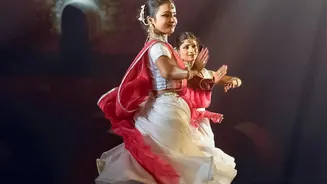
The first challenge in dancing is often psychological, feeling awkward or fearing mistakes in front of others. Technically, it's about coordination: teaching your feet, arms, and body to follow a rhythm and sequence of steps. For beginners, especially
in partner dances, this involves learning to lead or follow, adding another layer of complexity. Many beginners feel overwhelmed by the need to manage rhythm, movement, and a partner all at once.Rowing's initial challenge is less about intricate steps and more about mastering one, powerful, repeated motion. The learning curve involves understanding the sequence: legs, body, arms, and then the reverse on the recovery. While it looks simple, it takes hours to learn and perfect, and getting it wrong can lead to inefficient strokes or strain on the lower back. Most beginners can grasp the basic mechanics in a few sessions, but achieving proper, efficient form takes weeks of consistent practice.
Physical Demands: Full-Body Rhythm vs. Full-Body Power
Dancing builds fitness in a way that can feel less like a workout and more like fun. It enhances cardiovascular health, strengthens weight-bearing bones through side-to-side movements, and improves flexibility. Depending on the style, a half-hour of dancing can burn between 200-400 calories. The fitness gains come from sustained movement, requiring stamina and muscle control to maintain posture and execute moves gracefully.Rowing is a powerhouse of a full-body workout, renowned for its efficiency. A typical session can burn around 600 calories an hour. The motion is approximately 60% legs, 30% core, and 10% arms, building both cardiovascular endurance and muscular strength across the upper and lower body. It is a low-impact exercise, making it an excellent option for those who want a high-intensity workout without stressing their joints.
The Mental Game: Social Expression vs. Solo Endurance
Beyond memorising choreography, the mental aspect of dancing is deeply social and expressive. It’s about connecting with music, a partner, and a community. This social interaction is a major benefit, boosting self-esteem and providing a sense of belonging that can be a powerful motivator. However, for some, this same social element can create performance anxiety and self-consciousness.Rowing, whether on an indoor machine or on the water, cultivates mental endurance and focus. The repetitive nature of the stroke allows for a meditative state, but it also demands immense mental fortitude to push through physical discomfort when everything starts to burn. It teaches discipline and the ability to maintain form and power, even when fatigued. While it can be a solitary activity, rowing in a crew or a group class introduces a powerful team dynamic built on synchronicity and shared effort.
Accessibility and Cost in India
Getting started with dancing in India is relatively accessible. Many studios across cities like Pune and others offer beginner group classes in styles like Bollywood, salsa, or contemporary. Monthly fees for group classes typically range from ₹1,500 to ₹3,500, with drop-in sessions costing between ₹500 and ₹1,500. The only essential equipment is comfortable clothing and appropriate shoes, if any are required for the style.Rowing can have a higher barrier to entry, particularly for on-water rowing. This requires joining a rowing club, which may have limited availability and higher membership fees. Indoor rowing is more accessible, with rowing machines available at most modern gyms. For those looking to learn proper technique, hiring a specialised coach is an option, with online and in-person trainers in India charging anywhere from ₹500 to over ₹2,800 per hour. The initial investment is time to find a facility and potentially money for specialised coaching to avoid injury.