



The Problem with Parched Soil
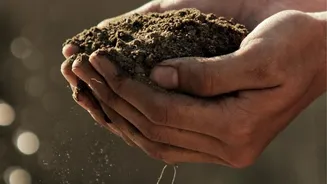
When potting mix becomes extremely dry, it can turn hydrophobic, which literally means 'water-fearing'. Many commercial potting mixes have a base of peat moss or coconut coir. These organic materials are excellent at holding water when moist, but a paradoxical
shift happens when they dry out completely. Natural waxes in the peat moss particles cause them to repel water rather than absorb it. As the soil dries, it also shrinks, pulling away from the sides of the pot. This creates a small gap that acts like a channel, directing any water you pour straight down the sides and out the drainage hole, completely bypassing the thirsty root ball in the center. You might think you've watered thoroughly, but the plant remains in crisis.
Why a Quick Drench Fails
Pouring a large amount of water quickly onto hydrophobic soil only makes the problem worse. The force of the water can't break the surface tension of the dry particles. Instead, it follows the path of least resistance, which is the gap along the pot's edge. The water appears in the saucer almost instantly, giving the false impression of a well-drained pot. In reality, the core of the soil remains untouched, and the plant's roots don't get the hydration they need. This can lead to wilting and stress, even when you feel like you are watering regularly. Frequent, shallow watering can also encourage roots to stay near the surface, making them more vulnerable to drying out in the future.
Solution 1: The Top-Down Trickle
The key to rehydrating dry soil is patience and giving the water time to soak in. A slow, top-down approach can work wonders. Instead of one big pour, apply water in several small increments. Use a watering can with a gentle 'rose' attachment or even a plastic bottle with a few small holes poked in the cap to create a slow trickle. Pour a little water onto the soil surface, wait for it to be fully absorbed, and then repeat the process two or three more times. This gradual application gives the peat particles time to break their water-repellent state and begin swelling to absorb the moisture. The goal is to water slowly enough that the soil can take it in, preventing runoff and ensuring the entire root ball gets saturated.
Solution 2: The Bottom-Up Soak
An even more effective method for severely dry plants is bottom watering. This technique allows the soil to absorb water through capillary action, the same way a sponge soaks up liquid. Find a basin, sink, or tub and fill it with a few inches of water. Place your potted plant, which must have drainage holes, into the water. Let the pot sit for 30 to 60 minutes. You may see air bubbles escaping from the soil as water is drawn up, which is a good sign. The process is complete when the top surface of the soil feels moist to the touch. This method ensures even, deep saturation of the root ball and encourages roots to grow downward, creating a stronger, more resilient plant.
Best Practices and Prevention
Once you've rehydrated your soil, you can take steps to prevent it from happening again. The easiest prevention is to avoid letting the potting mix dry out completely. Check your plants regularly by sticking a finger about two inches into the soil; if it feels dry, it's time to water. After any watering, especially a bottom soak, always let the pot drain completely and never leave it sitting in a saucer full of water for extended periods. While bottom watering is a great rescue technique, it's good practice to top water every few weeks. This helps flush out any excess mineral and fertilizer salts that can accumulate on the soil surface.