



In India, cricket is more than just a sport; it's a religion. But like any faith, it has faced moments of crisis and transformation. These are the shocking incidents that didn't just make headlines but fundamentally reshaped the game's destiny.
The 1983 World Cup Victory: The Unexpected Triumph
Before
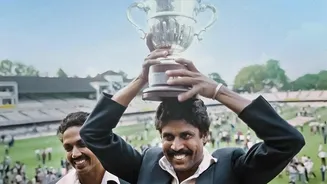
1983, India was an underdog in One-Day International cricket. The team, led by a young Kapil Dev, entered the World Cup with little expectation. Their journey to the final was a surprise, but their victory against the formidable, two-time champion West Indies was a shock that echoed across the globe. Defending a modest total of 183 runs, India's bowlers dismantled the West Indies for 140, sealing a historic 43-run win. This single event transformed cricket from a popular sport into a national obsession. It sparked a commercial boom, inspired a generation of future superstars like Sachin Tendulkar, and instilled a powerful belief that India could dominate the world stage. Indian cricket was never the same again.
The 2000 Match-Fixing Scandal: The Great Betrayal
If 1983 was a moment of pure joy, 2000 was one of profound heartbreak. When Delhi Police revealed taped conversations between South African captain Hansie Cronje and bookmakers, it unearthed a global match-fixing nexus that implicated some of India’s biggest names. The investigation led to the Board of Control for Cricket in India (BCCI) handing a life ban to then-captain Mohammad Azharuddin and a five-year ban to Ajay Jadeja. The scandal shattered the trust of millions of fans who felt betrayed by their heroes. The fallout was immense, forcing the BCCI to confront corruption head-on. This led to the creation of its Anti-Corruption Unit (ACU), a body tasked with monitoring players and educating them on the dangers of fixing, fundamentally changing how the board policed the integrity of the game.
The Greg Chappell Saga: A Civil War
The conflict between coach Greg Chappell and captain Sourav Ganguly from 2005 to 2007 was a public and bitter power struggle. It began when Chappell, who was ironically brought in at Ganguly's suggestion, recommended the captain be dropped due to poor form. A leaked email from Chappell to the BCCI claimed Ganguly was 'mentally and physically unfit' to lead, creating a media storm. Ganguly was eventually stripped of his captaincy and dropped from the team, with Rahul Dravid taking over. The controversy divided fans and the dressing room, with senior players like Sachin Tendulkar later expressing their disapproval of Chappell's methods. The saga ended after India's disastrous exit from the 2007 World Cup, leading to Chappell's resignation. It served as a harsh lesson in player-coach dynamics and led to a more cautious approach in appointing foreign coaches.
The 'Monkeygate' Scandal: A Diplomatic Firestorm
During the volatile 2008 Sydney Test, Australian all-rounder Andrew Symonds accused Indian spinner Harbhajan Singh of a racial slur, allegedly calling him a 'monkey'. The incident, quickly dubbed 'Monkeygate', escalated into a major international controversy. Match referee Mike Procter initially banned Harbhajan for three matches, a decision that prompted the Indian team to threaten to abandon the tour. The Board of Control for Cricket in India (BCCI) flexed its considerable financial and political muscle, lodging a strong appeal. The ban was eventually overturned and reduced to a fine, but the incident strained cricketing relations between the two nations for years. It marked a turning point, showcasing the BCCI's emergence as the undisputed global power in cricket, capable of challenging established authorities and protecting its players at all costs.
The 2013 IPL Spot-Fixing Scandal: A T20 Reckoning
The Indian Premier League (IPL) was cricket's dazzling new frontier, but its glamour was shattered in 2013. Delhi Police arrested three Rajasthan Royals players—S. Sreesanth, Ajit Chandila, and Ankeet Chavan—for alleged spot-fixing. The scandal widened to include team officials, with Chennai Super Kings' Gurunath Meiyappan and Rajasthan Royals' co-owner Raj Kundra implicated in betting. The crisis was so severe that the Supreme Court of India had to intervene. This led to the formation of the Justice Lodha Committee, which recommended a complete overhaul of the BCCI's governance structure. The recommendations included age and tenure caps for officials and a 'one state, one vote' policy. The scandal not only resulted in the twond year suspension of two major franchises but also forced unprecedented structural reforms, forever changing how cricket administration works in India.