




Decoding the Essential Paperwork
Before you even think about booking a ticket, the first step is to assemble your pet's travel documents. Airlines in India are strict about this, and missing a single form can ground your travel plans. You will need a valid health certificate from a registered
veterinarian, typically issued within 7 to 10 days of your flight. This document confirms your pet is fit to travel by air. Alongside this, a current and valid rabies vaccination certificate is mandatory. Some airlines may also require you to fill out an indemnity form, which absolves them of liability during transit. It's wise to keep both physical and digital copies of all documents, as you'll need to present them at check-in. For international travel or in some specific domestic cases, a No Objection Certificate (NOC) from the Animal Quarantine and Certification Service (AQCS) might be necessary.
Choosing the Right Carrier
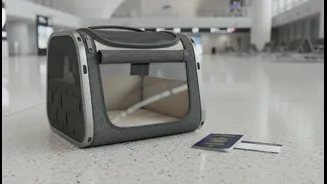
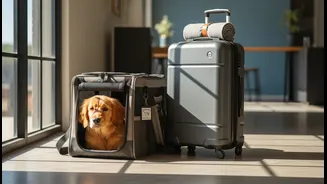
Your pet’s carrier is their home in the sky, and choosing the right one is critical for their safety and comfort. Airlines have specific and non-negotiable rules. For pets travelling in the cabin, a soft-sided, leak-proof carrier that can fit under the seat in front of you is required. A common approved dimension is around 17x10x9 inches, but always check your specific airline’s policy. For larger pets travelling in the temperature-controlled cargo hold, a hard-sided, IATA-compliant kennel is necessary. This crate must be well-ventilated on at least three sides, have secure latches, and be large enough for your pet to stand up, turn around, and lie down naturally. Do not wait until the last minute to buy the carrier; get it several weeks in advance to give your pet time to get used to it.
The Importance of Carrier Training
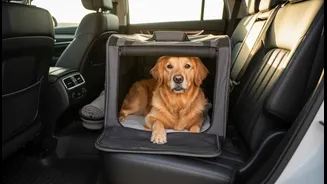
Carrier training is perhaps the most crucial step for ensuring your pet has a low-stress flight. This is not about forcing them into a box; it's about helping them see the carrier as a safe and comfortable den. Start weeks before your trip by placing the open carrier in your living area with a familiar blanket, treats, or toys inside. Let your pet explore it on their own terms. Begin feeding them meals inside the carrier, first with the door open, then briefly closed. Gradually increase the duration they spend inside, rewarding them for calm behaviour. Once they are comfortable, practice carrying them around the house and taking short car rides in the carrier. A pet that enters their carrier willingly is a pet that is ready to fly. A panicked animal may even be refused boarding.
Confirming With Your Airline Is a Must
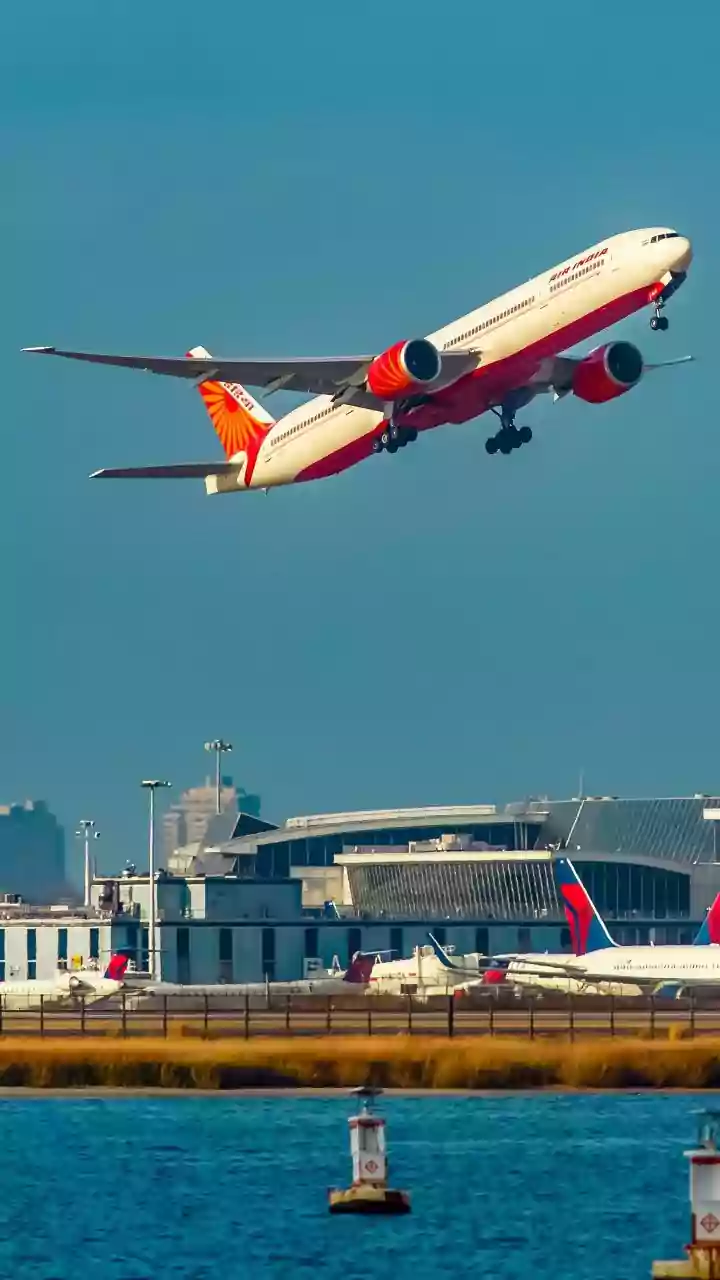
Never assume you can just show up with your pet. Every airline in India has a different policy, and you must get confirmation directly from them. Air India is known for being one of the most comprehensive, allowing pets up to 10 kg (including the carrier) in the cabin on many routes. Other airlines like IndiGo and SpiceJet generally only transport pets in the cargo hold. Vistara, now merged with Air India, follows Air India's cargo-only policy for pets. Since flights have a strict limit on the number of pets allowed—often just two in the cabin—you must book their spot well in advance, usually at least 48 hours prior to departure. It's best to book your own ticket first and then call the airline's reservation desk immediately to add your pet to the booking. This is a step that cannot be done through online travel agencies.
Final Preparations for Travel Day
On the day of the flight, a few final steps can make a big difference. Avoid feeding your pet a large meal 4-6 hours before the flight to reduce the chance of nausea, though water is fine up until you leave for the airport. Ensure they have a good walk and a chance to relieve themselves before heading to check-in. Arrive at the airport early, at least three hours before a domestic flight, as the check-in process for pets takes longer. Pack a small bag for your pet with a leash, a familiar toy, a collapsible water bowl, and any necessary medications. Remember, sedation is not recommended and often prohibited by airlines, as it can interfere with a pet's ability to regulate their body temperature and balance during the flight.