




What 'Solstice' Actually Means
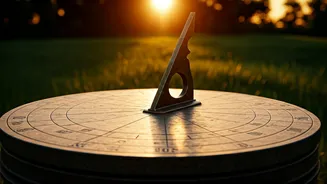
The word 'solstice' comes from the Latin words 'sol' (sun) and 'stitium' (to stand still). For several days around June 21, the sun’s apparent path across the sky seems to halt its northward journey before reversing course and heading south again. To
ancient observers, it looked as if the sun was 'standing still' at its highest point in the sky. This moment marks the peak of the sun's presence in the Northern Hemisphere, giving us the maximum duration of daylight. It isn't a festival in the traditional sense for most of India, but it's a fundamental marker of the seasons, recognised by astronomers and nature-watchers for millennia.
It's All About The Tilt
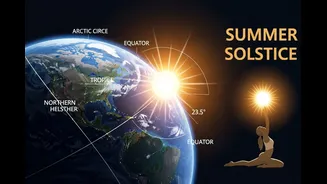
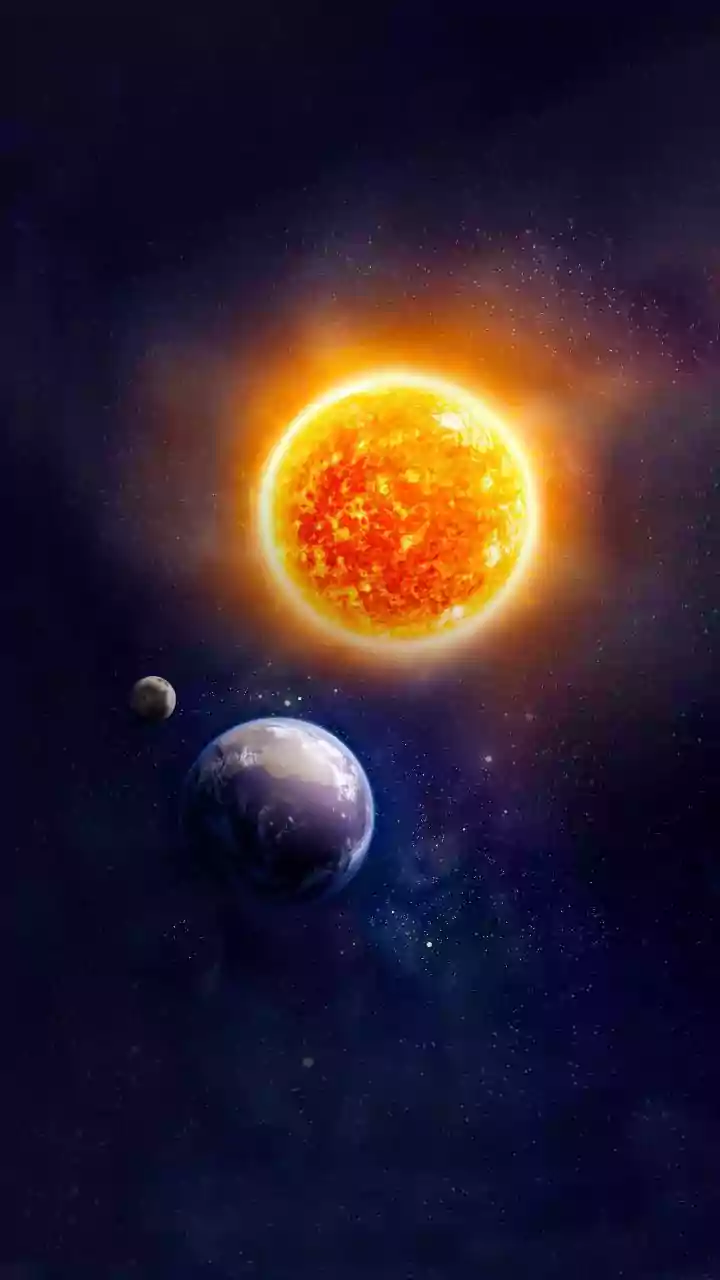
The reason for the seasons, and for the solstice itself, is not our distance from the sun. In fact, the Earth is actually farther from the sun during the Northern Hemisphere's summer. The real reason is our planet’s axial tilt. Earth is tilted on its axis by approximately 23.5 degrees relative to its orbital plane around the sun. During the June solstice, the Northern Hemisphere is tilted most directly towards the sun. This means the sun's rays hit our part of the world at a more direct angle and for a longer period, resulting in more heat and, of course, more daylight. The Tropic of Cancer, which passes through India, is the key line of latitude here; it's the northernmost point where the sun can be directly overhead.
The 'Geometric Instant' Explained
The headline's 'geometric instant' refers to the exact moment the magic happens. The summer solstice isn't a day-long event but a specific point in time. It's the precise moment when the Sun reaches its northernmost point in the sky as seen from Earth, appearing directly over the Tropic of Cancer. At this instant, the Earth's North Pole is tilted as close to the sun as it will be all year. This geometric alignment is fleeting, but its effect—the longest day—is what we experience. For a city like Ujjain in Madhya Pradesh, which lies very near the Tropic of Cancer, the sun is almost perfectly overhead at noon on the solstice, casting minimal shadows.
Why Isn't It the Hottest Day?
If we're getting the most direct sunlight on the solstice, shouldn't it be the hottest day of the year? Not usually. This phenomenon is due to 'seasonal lag'. The Earth's oceans and landmasses take time to heat up and release that stored energy. Think of it like a pot of water on a stove; even after you turn the heat to maximum, it takes a while for the water to reach its boiling point. Similarly, the Earth continues to absorb more heat than it radiates for weeks after the solstice. This is why the peak of summer heat in most parts of India and the Northern Hemisphere typically arrives in July or August, well after the day with the most sunlight has passed.
The Solstice Across India
The length of the day on the solstice varies depending on your latitude. The farther north you are, the longer the day. In Leh, Ladakh, residents will experience over 14 hours of daylight. In Delhi, it's a little less, around 13 hours and 58 minutes. As you travel south, the effect diminishes. In Chennai, the day is closer to 13 hours, and in Kanyakumari, at the southern tip of India, the difference in day length between the summer and winter solstices is much less pronounced than it is in the north. This variation is a direct and observable consequence of our planet's beautiful, tilted geometry.