




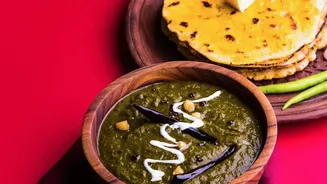
Kuttu and Rajgira: The Protein-Fibre Flour Duo
Instead of using only Kuttu ka atta (buckwheat flour) for your puris and rotis, try blending it with Rajgira atta (amaranth flour). Kuttu is known for its high protein and fibre content, which aids in digestion and provides sustained energy. However,
it can be dense. Rajgira is also a protein powerhouse and is particularly rich in calcium. Combining them improves the dough's texture, making rotis softer and less prone to cracking. This pairing offers a more complex amino acid profile and ensures you get a wider range of micronutrients, keeping you fuller and more energetic than a single-flour meal would.
Samak Rice and Pumpkin: The Wholesome Khichdi Upgrade
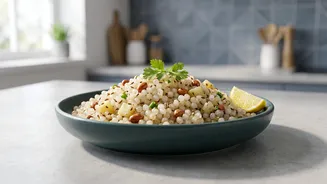
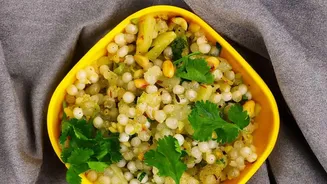
Samak rice, or barnyard millet, is a fasting staple often cooked with potatoes. To elevate this simple dish, pair it with pumpkin (kaddu) instead. Pumpkin is a permitted vegetable that is low in calories and adds a natural, subtle sweetness and a creamy texture to the khichdi. While potatoes provide carbohydrates, pumpkin offers fibre and vitamins, making the meal lighter and easier to digest. For an added layer of flavour and healthy fats, add a handful of roasted peanuts. This transforms a basic carbohydrate dish into a well-rounded, nutrient-dense meal.
Sabudana and Curd: The Cooling Digestive Aid
Sabudana (tapioca pearls) is almost entirely starch, providing a quick burst of energy but also potentially causing bloating or heaviness if not prepared correctly. Fried sabudana vadas are popular but can be taxing on the digestive system. A smarter pairing is to have sabudana khichdi with a side of fresh curd (yoghurt) or a cooling cucumber raita. The probiotics in curd help balance the gut and aid digestion, countering the starchy nature of sabudana. This combination feels lighter on the stomach and helps you stay hydrated, making it a more balanced and comfortable fasting meal.
Paneer and Mint: The Fresh Protein Powerhouse
Paneer is an excellent source of protein, crucial for maintaining energy levels during a fast. Rather than cooking it in a heavy, tomato-based gravy, try a lighter preparation. Pair cubes of fresh paneer with mint and other fresh herbs. You can make simple paneer tikkis seasoned with rock salt, black pepper, and chopped mint, then pan-sear them instead of deep-frying. Mint has cooling properties and aids digestion, providing a refreshing contrast to the richness of the paneer. This pairing delivers high-quality protein without the heaviness of traditional preparations.
Sweet Potato and Lemon: The Savoury Fibre-Rich Snack
Sweet potatoes (shakarkandi) are often simply boiled or made into a sweet halwa. For a more interesting and healthier take, treat them as a savoury snack. Boil or roast sweet potato cubes and toss them with sendha namak (rock salt), black pepper, and a generous squeeze of lemon juice. The sweet potato provides complex carbohydrates and fibre, which keep you feeling full for longer. The lemon juice adds a fresh, zesty flavour and a dose of Vitamin C, enhancing the overall nutritional profile and cutting through the natural sweetness of the potato. It's a simple, satisfying, and energising snack.
Makhana and Nuts: The Ultimate Energy-Dense Mix
Roasted makhana (fox nuts) are a fantastic low-calorie, high-fibre snack. To make them even more potent, combine them with a mix of nuts like almonds and walnuts. While makhana provides a satisfying crunch and volume, nuts add healthy fats, protein, and essential minerals. This combination creates a powerful, energy-dense snack that provides sustained fuel rather than a short-lived energy spike. It's far more nutritious than fried chips or other starchy snacks and helps keep hunger pangs at bay between meals.