


Beyond the Predictable Menu
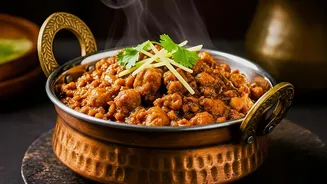
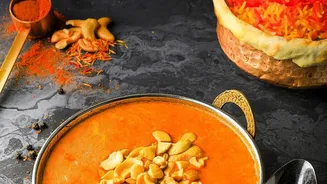
For decades, dining out at an Indian restaurant, whether in India or abroad, often meant choosing from a predictable menu. Dishes like butter chicken, paneer tikka masala, and biryani became global ambassadors for an entire subcontinent's cuisine. While
delicious, these dishes represent only a fraction of India's vast culinary landscape. Today, diners are showing a growing appetite for authenticity and exploration. They are looking to move past the usual suspects and experience the incredible diversity that Indian food has to offer. This shift is driven by a generation of curious eaters who want to know the stories behind their food, leading restaurants to dig deeper into the nation's gastronomic heritage.
A Journey Through Regional Kitchens
The most exciting part of this trend is the championing of regional cuisines that have rarely seen the inside of a commercial restaurant. Chefs and restaurateurs are acting as culinary historians, traveling across the country to unearth heirloom recipes and forgotten cooking techniques. This has led to a rise in restaurants that specialise in specific regional traditions. Menus now proudly feature dishes from Kerala, Bengal, Rajasthan, and Kashmir, celebrating local ingredients and unique flavour profiles. Diners can now experience the coconut-based gravies of the Konkan coast, the mustard-infused preparations of Bengal, or the complex spice blends of Chettinad. This focus on regionality pushes back against the monolithic idea of "Indian food" and instead celebrates its true, varied identity.
Chefs as Modern Storytellers
This movement is being led by a new generation of chefs who see themselves as both innovators and custodians of tradition. Figures like Chef Sujan Sarkar, with his 'progressive Indian cuisine', and Chef Mayank Istwal, who travels through villages to find ancestral recipes, are redefining the dining experience. They are not just cooking food; they are telling stories of culture, history, and personal memory. These chefs might use modern techniques or global ingredients, but their goal is to honour and elevate traditional flavours, not erase them. They are proving that Indian cuisine can be both deeply rooted and forward-thinking, creating a new culinary language that resonates with a global audience.
A Global Conversation of Flavours
The trend of discovery doesn't stop at India's borders. The "countries" aspect of this new wave involves a thoughtful blending of Indian flavours with international ingredients and techniques. This isn't the confusion of 90s-style fusion, but a more confident and intentional conversation between culinary worlds. You might find naan tacos, where the beloved Indian bread meets a Mexican staple, or dishes that incorporate Japanese or Peruvian influences into a distinctly Indian framework. This cross-cultural experimentation reflects a globalised palate and the versatility of Indian spices, which can elevate almost any dish they touch. It showcases a cuisine that is confident enough to interact with the world while staying true to its roots.