




The Science of Feeling Full
The feeling of fullness, or satiety, is your body’s signal that you’ve had enough to eat. Not all foods provide this signal equally. The secret lies in two key macronutrients: protein and healthy fats. Protein takes longer for the body to digest and has
been shown to reduce the 'hunger hormone,' ghrelin. Healthy fats also slow down how quickly your stomach empties, contributing to a longer-lasting feeling of fullness. Many traditional Indian breakfast dishes are not just a single ingredient but a carefully constructed combination of carbohydrates for energy, along with satiating proteins and fats. This balance is what prevents the sharp blood sugar spikes and subsequent crashes associated with carb-heavy breakfasts, keeping you energised and focused.
Idli and Dosa: Fermented Fuel
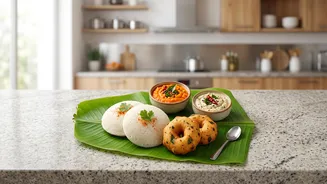
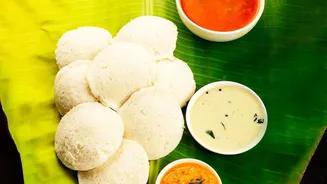
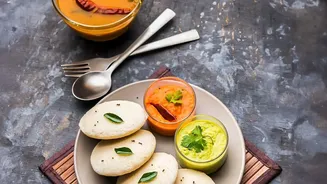
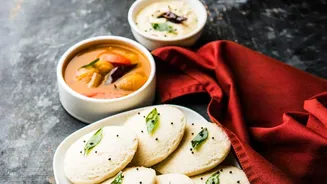
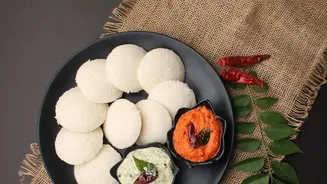
At first glance, idli and dosa might seem like simple rice and lentil creations. But their power lies in fermentation and combination. The batter, a blend of rice (carbohydrate) and urad dal (protein), is fermented, which not only makes the nutrients more available but also promotes good gut health. A typical serving of two idlis with a bowl of sambar can provide around 8 to 11 grams of protein. The magic, however, is in the accompaniments. Sambar, a stew made from lentils (like toor dal), is packed with plant-based protein and fibre. Meanwhile, coconut chutney adds healthy fats, which further enhance satiety. This combination of a complete protein from rice and lentils, more protein from sambar, and healthy fats from chutney creates a perfectly balanced meal.
The Poha Paradigm
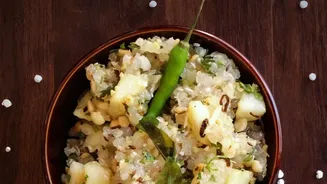
Poha, or flattened rice, is a light and easily digestible carbohydrate. On its own, a plate of poha contains a modest amount of protein, about 6-7 grams per 100g of dry flakes. However, traditional preparations transform it into a balanced meal. The most crucial additions are peanuts and sometimes sprouts. Peanuts are a classic addition that provides a satisfying crunch, healthy fats, and a significant protein boost; just a handful can add another 5-6 grams of protein. Garnishes like fresh coconut provide more healthy fats, while a squeeze of lemon juice not only adds flavour but helps the body absorb the iron present in poha. This demonstrates the intuitive nutritional wisdom of pairing a simple carb with protein and fat sources to create a more complete meal.
Parathas Paired Perfectly
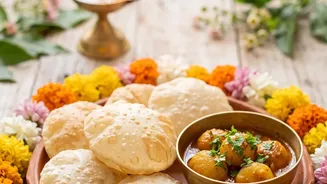
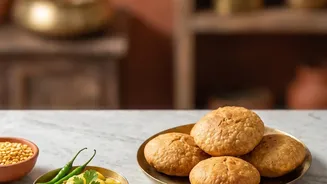
A plain paratha is primarily a source of carbohydrates, but its versatility is its strength. Stuffed parathas are where the protein and fat balance truly shines. A paneer paratha, for instance, can contain up to 19 grams of protein, thanks to the slow-digesting casein protein in paneer. Parathas stuffed with dal or sattu (roasted gram flour) also significantly increase the protein content. The healthy fat component often comes from ghee, which is used not just for cooking but for flavour and its nutritional properties. Even more important is the traditional pairing of parathas with a bowl of dahi (curd). Curd not only adds more protein and calcium but also provides probiotics for gut health, creating a synergistic meal that is both delicious and incredibly filling.
More Than Just Flavour
The genius of these breakfasts lies in how ingredients are combined. Ghee, coconut, and nuts aren't just flavour enhancers; they are functional foods. Ghee, a source of healthy saturated fat, has a high smoke point and is believed in Ayurveda to aid digestion and help the body absorb vitamins. Nuts and seeds sprinkled on dishes like upma or poha add texture, protein, and essential fatty acids. Curd and other fermented foods provide a dose of probiotics. This approach shows a deep understanding of how different food components work together to nourish the body effectively. Instead of isolating food groups, traditional Indian cuisine masterfully blends them in a single dish to achieve taste, texture, and balanced nutrition.