




Why Fruit Portions Matter
Fruits are nature's candy for a reason; they contain natural sugars, primarily fructose. While they are also packed with essential vitamins, minerals, and fibre, consuming them in large quantities can lead to an excessive intake of sugar and calories.
This can contribute to weight gain and unstable blood sugar levels, which is particularly important for individuals managing conditions like diabetes. The principle is simple: even healthy foods require moderation. By managing portion sizes, you can reap all the nutritional benefits of fruits without overloading your system. It allows your body to process the food efficiently, absorb vital nutrients, and maintain steady energy throughout the day.
What is a Healthy Portion?
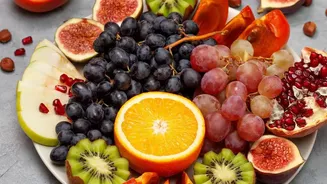
Understanding what constitutes a single serving is the first step towards mindful eating. Generally, one serving of fruit is about 80 to 150 grams. This can be visualised in simple ways. For most medium-sized fruits like an apple or an orange, one piece is one serving. For smaller fruits like plums or strawberries, a portion would be two pieces or a small handful. When it comes to chopped or diced fruit, a single serving is typically equivalent to about one cup. For dried fruits, which have concentrated sugar, a much smaller portion of about 30 grams (a heaped tablespoon) is recommended.
Guava (Amrood)
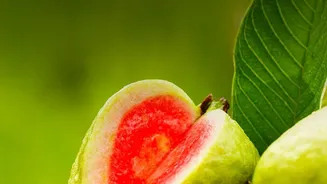
The humble guava is a true winter superstar in India. It is exceptionally rich in Vitamin C, containing significantly more than an orange, which is crucial for boosting immunity during the colder months. Guavas are also an excellent source of dietary fibre, which aids digestion and promotes a feeling of fullness, making it a great snack for weight management. With a very low glycemic index, it's a fantastic choice for those monitoring their blood sugar levels. A single medium-sized guava is a perfect portion, delivering nutrients without excess sugar.
Oranges (Santra)
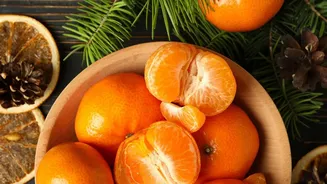
No Indian winter feels complete without the refreshing taste of oranges. Famous for their high Vitamin C content, oranges are essential for a strong immune system and healthy skin. They are also a good source of fibre and antioxidants. Being about 89% water, they are incredibly hydrating. A single medium orange is considered one portion. While orange juice is popular, eating the whole fruit is always a better choice as it retains the beneficial fibre, which helps slow down the absorption of sugar.
Indian Gooseberry (Amla)
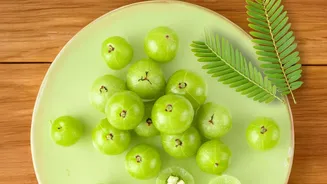
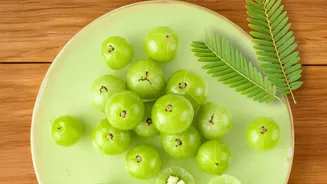
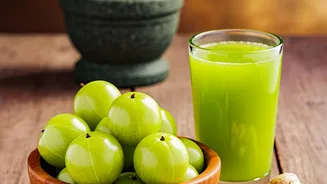
Amla is a powerhouse of nutrients and a staple in traditional Indian wellness for centuries. It boasts one of the highest concentrations of Vitamin C found in any fruit, estimated to be about 20 times that of an orange. This makes it incredibly effective for strengthening immunity and fighting off infections. Amla also helps in digestion, improves skin and hair health, and aids in iron absorption. Due to its potent, sour taste, it's often not eaten whole. A portion of two to three small amla berries is sufficient to gain its benefits.
Pomegranate (Anar)
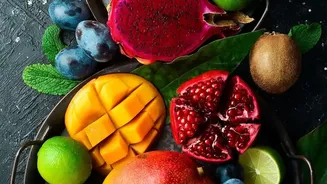
With its jewel-like seeds, the pomegranate is another winter favourite across India. It is loaded with powerful antioxidants that help fight inflammation and protect cells from damage. Pomegranates are also a good source of fibre, Vitamin K, and iron, which can help improve haemoglobin levels. Studies suggest they are beneficial for heart health and may even improve memory. A healthy portion is about one cup of pomegranate seeds, which you can enjoy on its own or sprinkled over salads and yoghurt.
Custard Apple (Sitaphal)
Known for its creamy texture and sweet taste, the custard apple, or Sitaphal, is a popular dessert fruit during the Indian winter. It is a good source of energy, fibre, and essential nutrients like Vitamin C and potassium. However, it is higher in natural sugars and has a moderate to high glycemic index compared to other winter fruits. Therefore, portion control is especially important here. A sensible portion would be half of a medium-sized fruit, which allows you to enjoy its unique flavour without causing a significant spike in blood sugar.